New student loan caps are creating financial barriers for aspiring physicians, particularly those from underrepresented backgrounds, potentially limiting access to medical training and reducing diversity in the healthcare workforce.

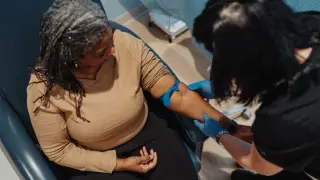
A new study in the American Journal of Industrial Medicine reveals that 11.3% of US healthcare personnel experience persistent moderate or severe long-COVID symptoms at both three and six months post-infection. Fatigue is the most common complaint, with older age, female sex, and multiple underlying conditions significantly increasing risk. The findings highlight a potential strain on healthcare workforce sustainability due to ongoing symptoms requiring accommodations or role changes.
A Lancet Oncology commission warns that rising cancer cases due to aging populations will overwhelm health systems, predicting a 100-million workforce shortfall by 2050—especially nurses and diagnostic staff—leaving Africa and Asia with low survival and many undiagnosed cancers; scaling up staff, adopting AI and digital health, and stronger financing could avert up to 170 million deaths (2030–2050) and yield massive economic benefits.
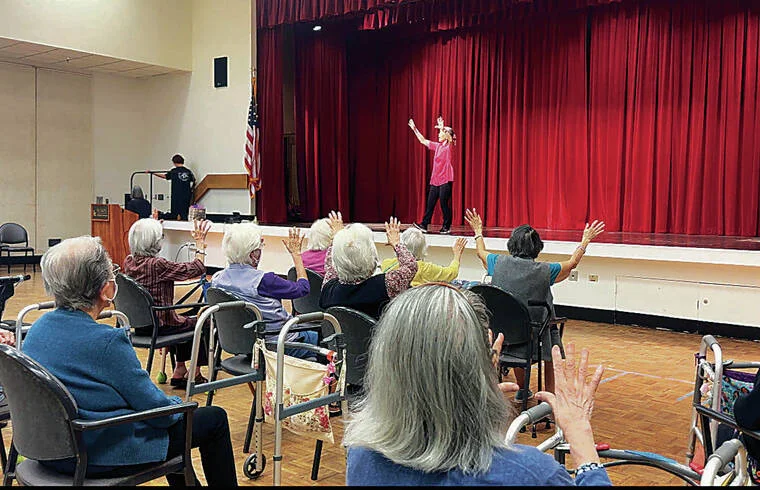
Hawaii, despite having the longest life expectancy in the U.S., is confronting a fast‑growing elderly population that outpaces geriatric care, with shortages across the workforce and long appointment waits. Geriatric specialists are concentrated on Oahu, while islands like Hawaii, Kauai, and Maui have few or none, forcing primary care doctors to shoulder complex elder care. Efforts like JABSOM’s geriatric fellowship and loan-repayment programs aim to expand capacity, but systemic funding, reimbursement, and care-coordination barriers remain, especially as dementia cases rise and care becomes more time-intensive but less well reimbursed.
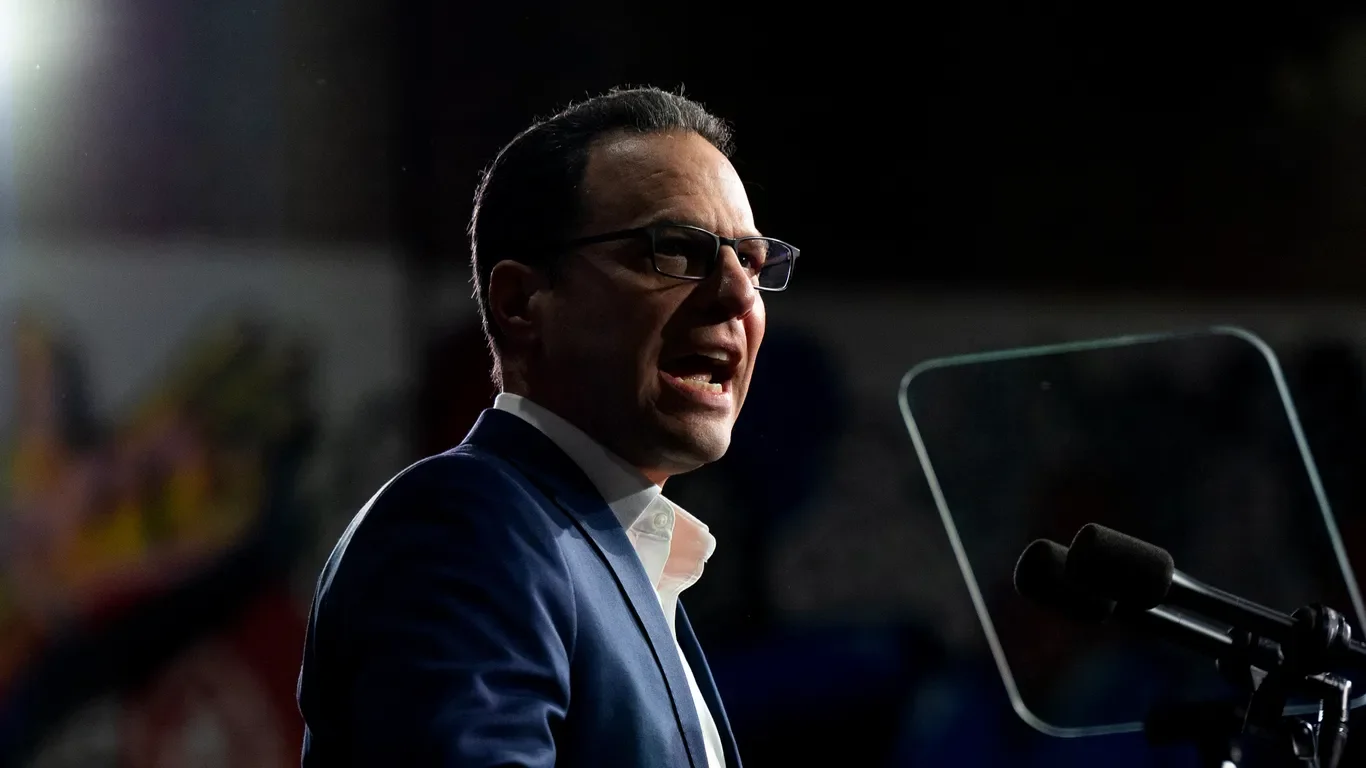
Democrats in Pennsylvania urge Gov. Josh Shapiro to include a pay boost for in‑home care workers in his 2026 budget to address a large workforce shortage, a move that could require Medicaid rate increases and possibly a tax hike in a swing state with a split Legislature. The pressure comes as Shapiro runs for reelection and eyes a potential 2028 presidential bid, highlighting the balancing act between state needs and national ambitions.
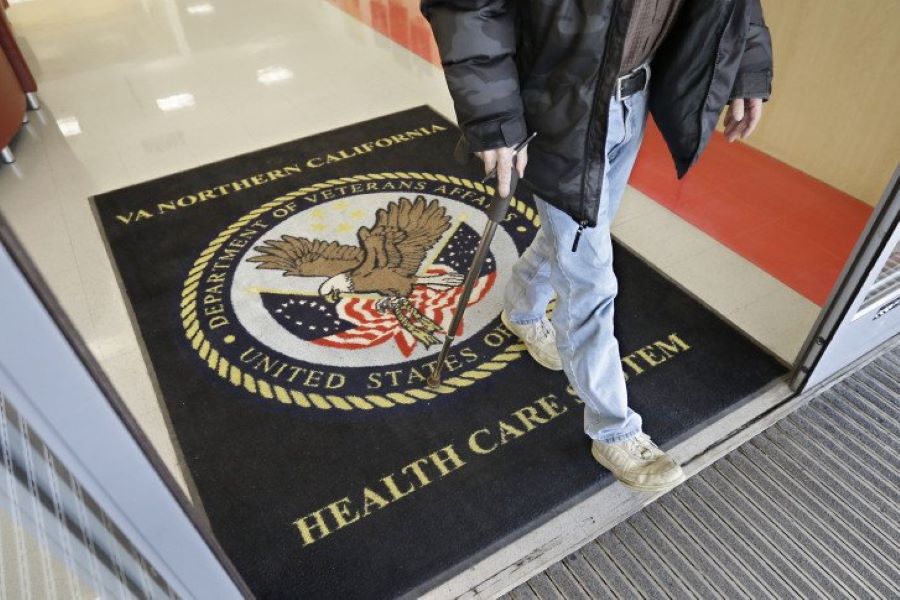
The Department of Veterans Affairs is experiencing a significant increase in severe healthcare staffing shortages, with over 4,400 reported so far in fiscal year 2025, a 50% rise from the previous year, impacting critical positions like doctors, nurses, psychologists, and police officers, amid ongoing workforce attrition and hiring challenges.
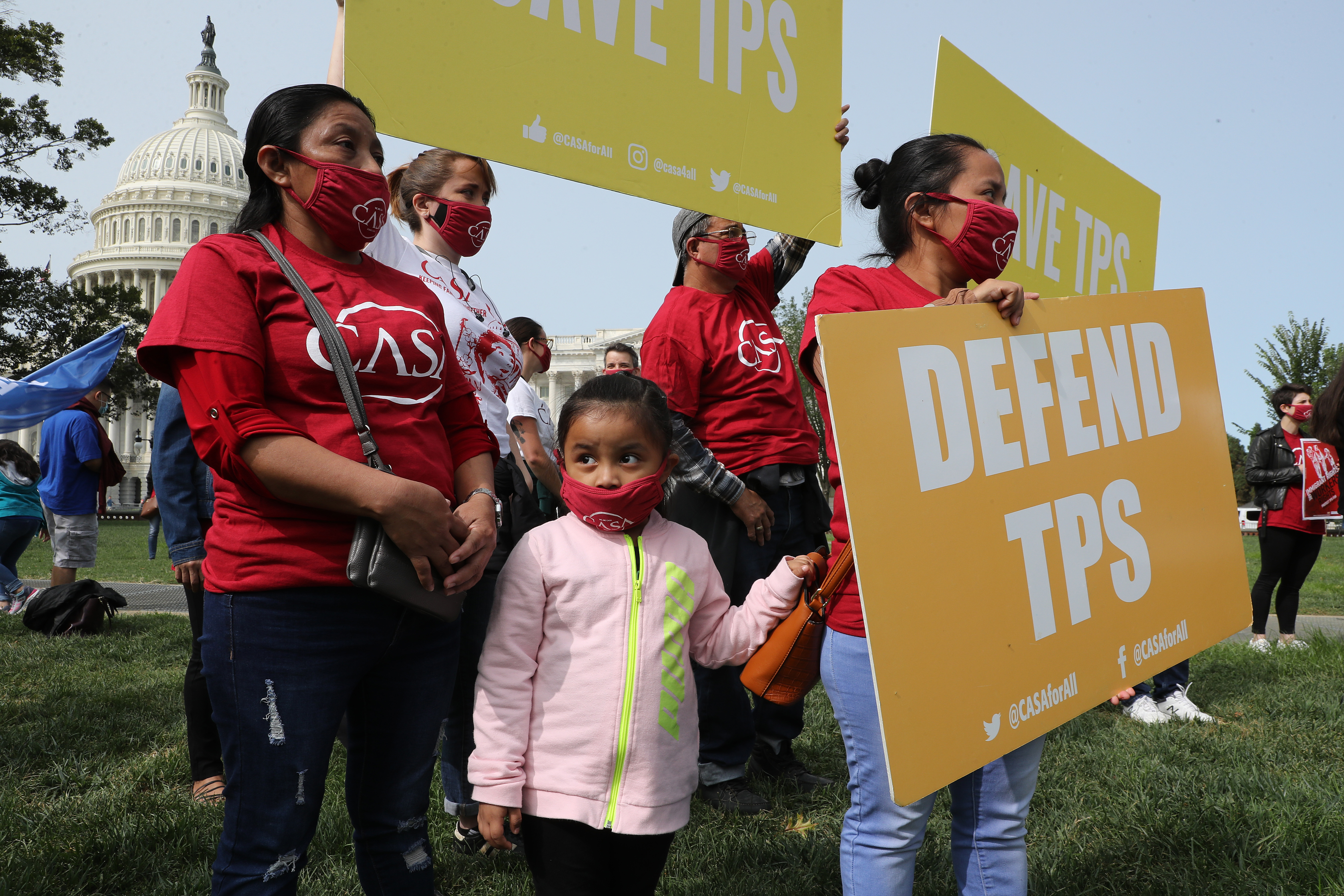
The Supreme Court has permitted the Trump administration to revoke legal status from over half a million immigrants, including many healthcare workers, risking a severe impact on the U.S. health sector, especially elder care and disease control efforts, amid fears of worsened shortages and public health crises.
Latinos, particularly Mexican Americans, are underrepresented in the U.S. medical workforce, with low representation in medical professions requiring advanced degrees. However, they are overrepresented in similar professions that don't require a bachelor's or higher degree. The study highlights the importance of diverse and culturally competent healthcare providers in reducing healthcare disparities among minority populations. The authors suggest that structural racism, language barriers, and financial aid may contribute to these disparities and call for efforts to diversify the healthcare workforce and support Latinos in higher education and medicine.