On November 8, 2026, 30 runners at the Santa Barbara Half Marathon sought medical care for symptoms described as 'unusual.' While police maintain an investigation, health officials and organizers attribute the incidents to heat exhaustion, with 26 runners hospitalized and three remaining in stable condition.
Arizona State University hockey player Matthew Mayich remains in a coma after collapsing during an August 20 outdoor workout led by former Green Beret Tim Zeisel. New reports indicate Zeisel was not vetted or under contract with ASU, violating athletic department guidelines. Mayich, who arrived from Canada less than a week prior, was not acclimatized as required. While ASU is reviewing the incident, the family demands an independent investigation, alleging the trainer punished athletes for drinking water and failed to provide emergency cooling after Mayich collapsed.
Arizona State University police are investigating the Aug. 20 collapse of hockey player Matthew Mayich, who remains in critical condition after suffering exertional heat stroke during an outdoor workout. While the university frames its internal process as a factual review, the family’s attorney demands an independent probe, alleging the school’s narrative is false and that the session was dangerously grueling without adequate breaks.
Arizona State University hockey player Matthew Mayich remains in critical condition with no chance of full recovery after collapsing during an outdoor workout on August 20. Family attorneys allege the session was negligent, featuring minimal water breaks for athletes unacclimated to the Arizona heat. ASU is conducting an internal review, but the family demands an independent investigation.
Arizona State University hockey player Matthew Mayich remains hospitalized in critical condition after collapsing during an outdoor, military-style workout on August 20. The session, led by former Green Beret Tim Ziesel, involved intense conditioning in high heat. ASU is reviewing the incident, while experts criticize the lack of heat acclimation and safety protocols.
More than 100 people were treated for heat-related illnesses after Union Pacific's Big Boy locomotive arrived late at Reading Outer Station in Muhlenberg Township, leaving crowds waiting in extreme heat; EMS from four counties rushed to the scene, treating many on site and transporting about 45 to hospitals as first responders managed the mass medical situation at the historic train event.
Three hikers died of apparent heat illness in Grand Canyon National Park while hiking the Kaibab Trail; rescuers responded and park officials are investigating, highlighting the dangers of desert heat for hikers.
Southern California is bracing for a dangerous heat wave with highs in the 90s and some triple-digit readings, prompting health warnings about heat illness and signaling a potentially earlier start to fire season. While not triggering red-flag fires yet, the prolonged heat—20–30 degrees above normal—could quicken drying and increase grass fires; cooling centers will be opened and residents without AC urged to seek relief, with a cooldown then another heat spike expected next week.
Over 100 people fell ill during outdoor graduation ceremonies in Paterson, New Jersey, due to a severe heatwave with temperatures reaching 107°F, leading to a state of emergency and the cancellation of subsequent events.
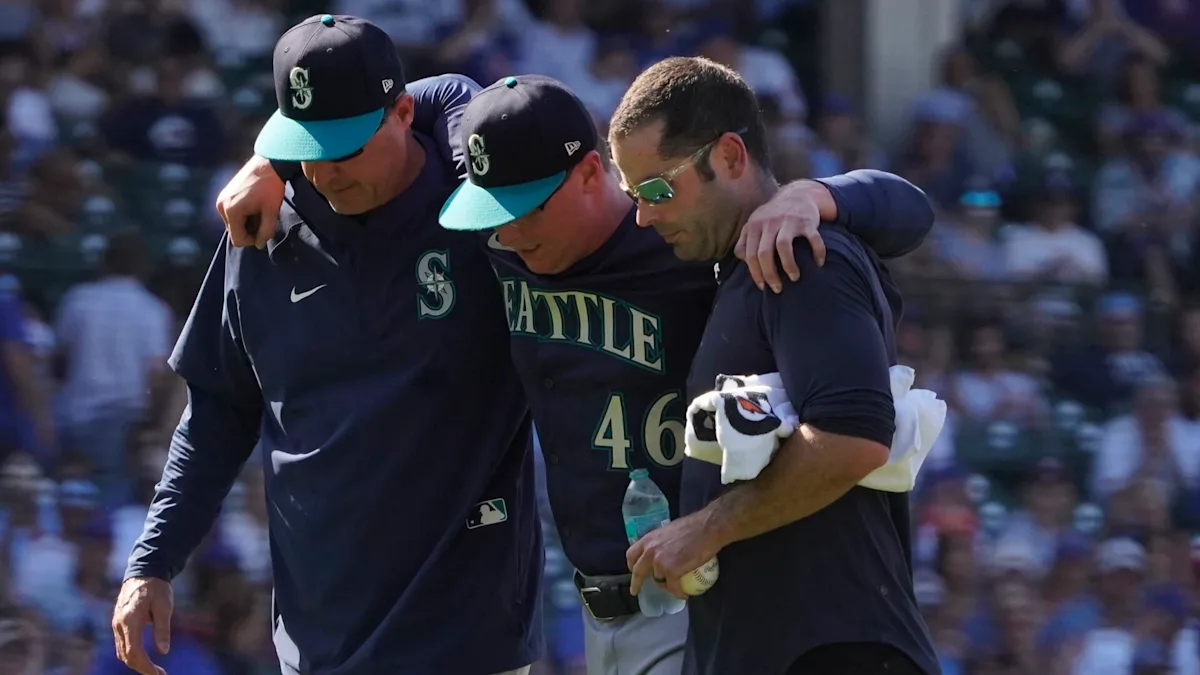
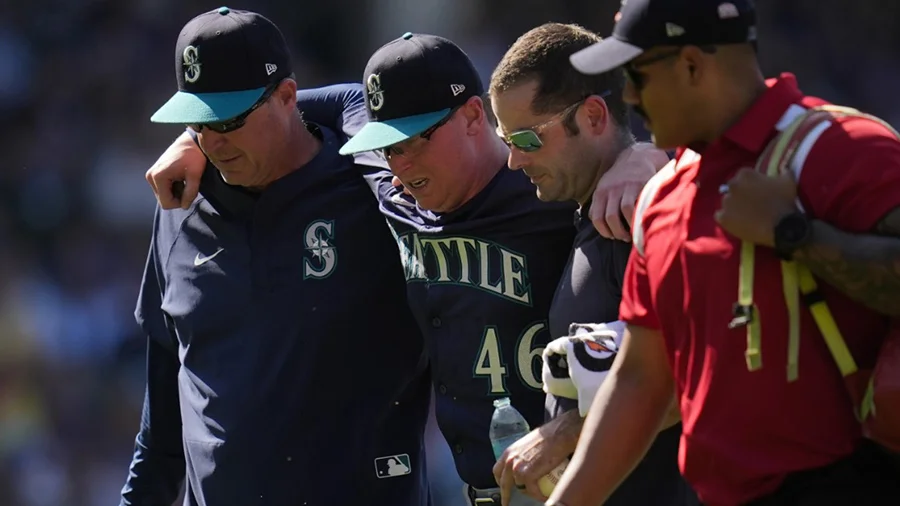
During a heatwave in the US, Reds' Elly De La Cruz and Mariners' Trent Thornton fell ill while playing, with De La Cruz vomiting on the field and Thornton experiencing heat-related illness, prompting medical attention and safety measures at games.
Seattle Mariners reliever Trent Thornton was hospitalized with a heat-related illness during a game at Wrigley Field amid extreme heat conditions, but team officials expect him to recover. The game also saw other heat-related issues among staff and officials, prompting the Cubs to implement cooling measures for fans and personnel.
Southern California is expected to experience a heat wave over the next few days, with near-record high temperatures in some areas. Temperatures could reach the mid-80s to mid-90s over the weekend and rise even further on Monday, with valleys and inland areas potentially seeing highs between 100 and 110 degrees. The heat wave poses an increased risk for wildfires and heat-related illnesses. Despite recent rainfall from Hurricane Hilary, vegetation and brush remain dry, contributing to elevated fire conditions. Temperatures are expected to return to normal by Thursday and Friday.
Extreme heat can have detrimental effects on the human body, and with climate change, these occurrences are expected to increase. Heat rash, heat cramps, heat exhaustion, and heat stroke are all potential risks. Heat rash, characterized by small blisters, can be relieved by moving to a cool environment and removing tight clothing. Heat cramps, caused by electrolyte imbalances, can be alleviated by stopping exertion, moving to a cool location, and replenishing lost electrolytes through salty foods or sports drinks. Heat exhaustion, marked by intense fatigue and high body temperature, requires immediate cooling and hydration. Heat stroke, the most severe condition, can be fatal and requires emergency medical attention. To stay safe in extreme heat, it is advised to seek air-conditioned environments, avoid exertion during the hottest times of the day, and stay hydrated.
Rising temperatures and humidity increase the risk of heatstroke, which can cause cell death and dysfunction. Heatstroke has a high mortality rate and can lead to future health problems. Understanding heatstroke is crucial as it can distort judgment and affect anyone, especially older adults and young children. Our brain coordinates temperature regulation through temperature sensors, an internal thermostat, and sweating. Hot, humid days challenge our natural abilities to thermoregulate. There are two types of heatstroke: classic heatstroke from external heat and exertional heatstroke from physical activity in hot weather. Heatstroke can damage the brain, leading to long-term cognitive or neurological damage. Preventive measures include acclimating to the heat, staying hydrated, recognizing signs of heatstroke, and cooling immediately if suspected. With better education and prompt treatment, heatstroke can be prevented from being deadly.