Iron on the Balance Beam: How Much Is Too Much or Too Little?
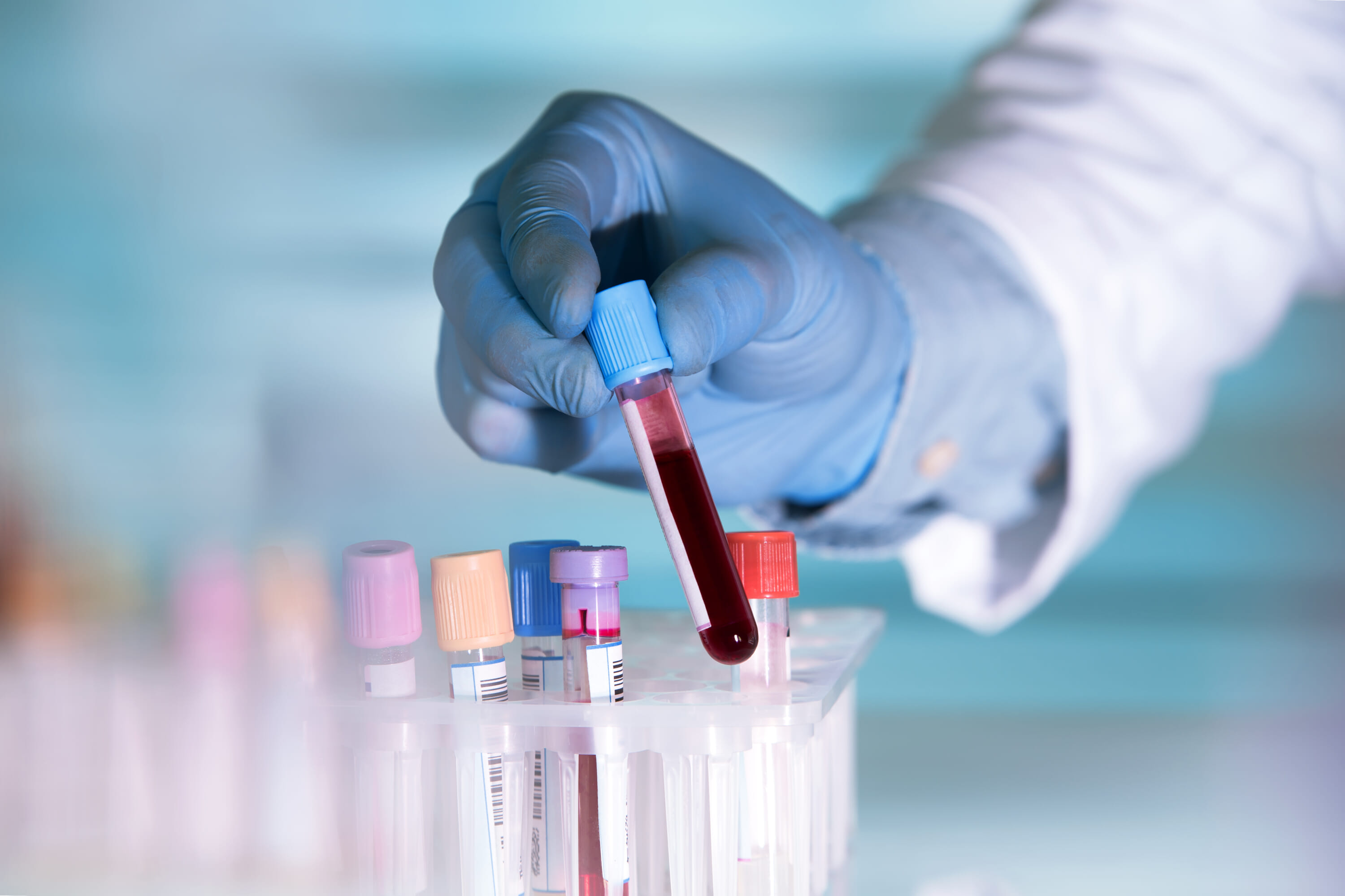
Low iron is usually due to inadequate intake, poor absorption, or chronic blood loss (e.g., heavy periods or GI issues); a blood test is the best way to confirm iron deficiency. If your doctor prescribes supplements, doses depend on age, deficiency severity, cause, and pregnancy status (common guidance is about 65 mg of elemental iron daily for deficiency, and around 27 mg daily during pregnancy). Fatigue alone isn’t a reliable sign of iron deficiency, and some conditions (thalassemia, myelodysplastic syndrome) won’t respond to iron. Don’t exceed roughly 120 mg elemental iron per dose, and routine dosing benefits don’t increase with multiple daily doses. Normal iron levels differ by sex (men 70–180 mcg/dL; women 60–170 mcg/dL). Signs of taking too much include constipation, nausea, dark stools, joint pain, weight loss, and reduced libido; long-term overload can lead to heart or liver disease, so monitor hemoglobin and ferritin with a clinician.