Tag

Dinosaur

All articles tagged with #dinosaur

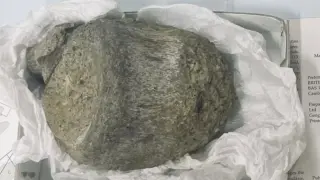
66-Million-Year-Old Dino Bone Reveals Surviving Collagen
science10 days ago

66-Million-Year-Old Dino Bone Reveals Surviving Collagen

A Liverpool-led study of a 66-million-year-old Edmontosaurus sacrum detected remnants of collagen and the amino acid hydroxyproline in a remarkably preserved fossil, using multiple analytical methods to rule out contamination. The findings suggest some original biomolecules can persist for tens of millions of years, offering new clues about dinosaur biology and evolution beyond bone structure.

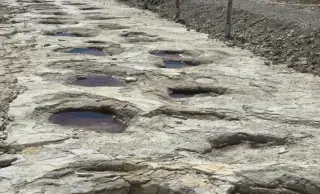
France Unveils 155-Meter Sauropod Footprint Trail in Jura Rock, the Longest Yet Found
science17 days ago

France Unveils 155-Meter Sauropod Footprint Trail in Jura Rock, the Longest Yet Found

In the Dinoplagne site of the Ain region in the Jura mountains, researchers report a 155-meter-long, exceptionally well-preserved sauropod trackway dating to the early Tithonian stage of the Late Jurassic. This extends the record for the longest sauropod footprint sequence and provides detailed clues about the giant animal’s gait and size; a 2009 discovery at Dinoplagne identified a much shorter track (about 35 meters) but likewise highlighted the site’s significance. The footprints, attributed to a titanosaur, are preserved with sharp edges and intricate details, and the site remains open to visitors as scientists continue to study this geological treasure.

Dog-Sized Middle Jurassic Dinosaur Unearthed in Scotland, Hinting at Early Plant-Eater Diversity
science18 days ago

Dog-Sized Middle Jurassic Dinosaur Unearthed in Scotland, Hinting at Early Plant-Eater Diversity

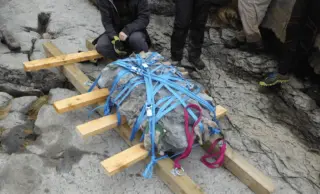
Paleontologists unearthed Scotland’s most complete dinosaur skeleton to date—a dog-sized herbivorous ornithischian from the Middle Jurassic (~166 million years ago) on the Isle of Skye. The discovery, involving a subadult around eight years old, offers new clues about early plant-eating dinosaurs and could reshape understanding of Jurassic ecosystems, though researchers are still determining whether it represents a new species due to the fragmentary remains.

Undergrad Uncovers Hidden Late-Triassic Carnivore, Redrawing Dino History
science23 days ago

Undergrad Uncovers Hidden Late-Triassic Carnivore, Redrawing Dino History

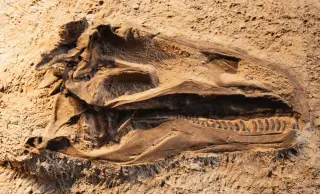
A deformed late-Triassic skull, once dismissed, was reassembled with CT scanning by Virginia Tech undergraduate Simba Srivastava, revealing Ptychotherates bucculentus, a previously unknown carnivorous dinosaur. The discovery, published in Papers in Palaeontology, suggests early dinosaurs diversified earlier than thought and that the Herrerasauria lineage persisted longer in the American Southwest, reshaping our understanding of dinosaur evolution before T. rex.

Embedded Tooth in Edmontosaurus Skull Points to Face-Off With T. rex
science2 months ago

Embedded Tooth in Edmontosaurus Skull Points to Face-Off With T. rex

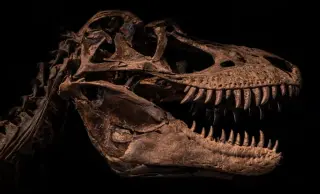
Scientists studying a Hell Creek Formation Edmontosaurus skull found a tooth lodged in its snout, a rare embedded-tooth fossil that lets researchers identify the attacker as Tyrannosaurus rex. CT scans show a frontal bite, the tooth’s serrations match T. rex, and bite marks suggest the predator continued feeding on the head after the kill, implying a direct encounter rather than distant scavenging.

Brazil unearths 20-meter giant dinosaur, Dasosaurus tocantinensis
science2 months ago

Brazil unearths 20-meter giant dinosaur, Dasosaurus tocantinensis

Brazilian researchers describe a new giant dinosaur, Dasosaurus tocantinensis, from fossils found near Davinópolis, Maranhão. A 1.5-meter femur suggests the animal was about 20 meters long, placing it among Brazil’s largest dinosaurs, and it appears to be the closest relative of Spain’s Garumbatitan morellensis, implying a European lineage that dispersed to South America about 130 million years ago before the Atlantic opened.

Ancient Argentine Dinosaur Unearths Unique Intact Skull
science4 months ago

Ancient Argentine Dinosaur Unearths Unique Intact Skull

A newly discovered 80-million-year-old predatory dinosaur in Argentina, named Llukalkan aliocranianus, features an unusual short, horned skull with cavities that likely enhanced its hearing, suggesting it was a highly capable predator with unique evolutionary traits. The well-preserved fossil was found during a broader excavation and offers insights into the diversity of late-Cretaceous South American ecosystems.