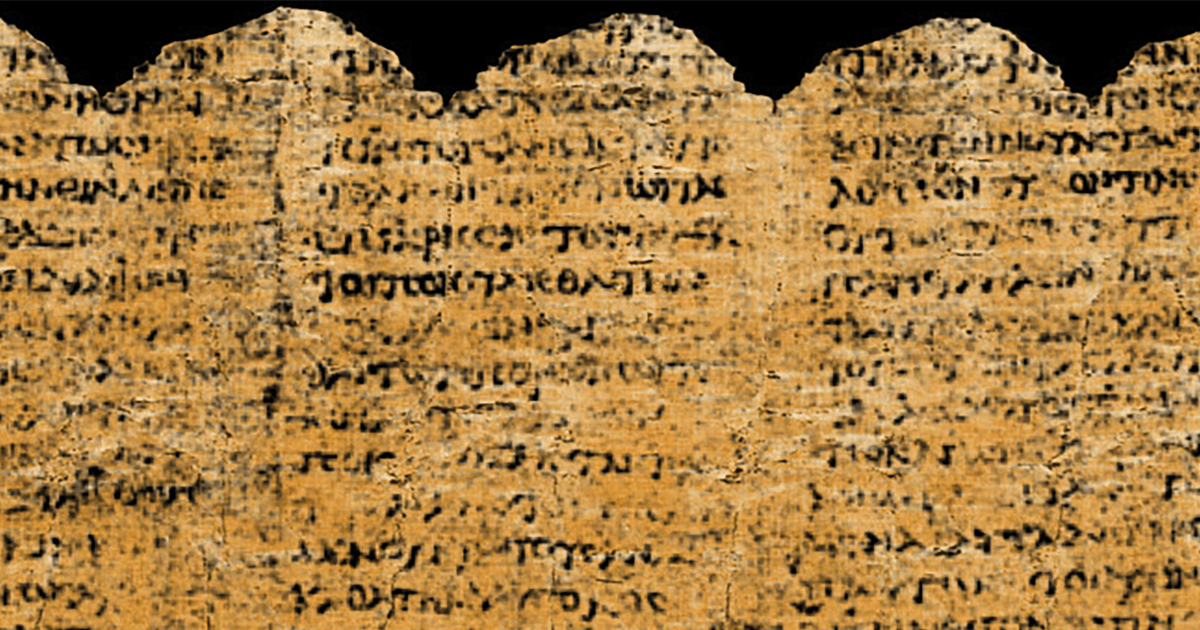
Lead detection offers new path to reading Herculaneum scrolls
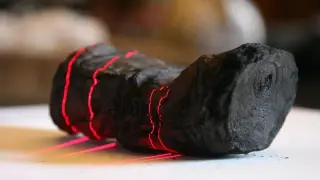
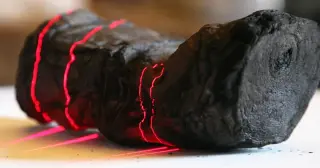
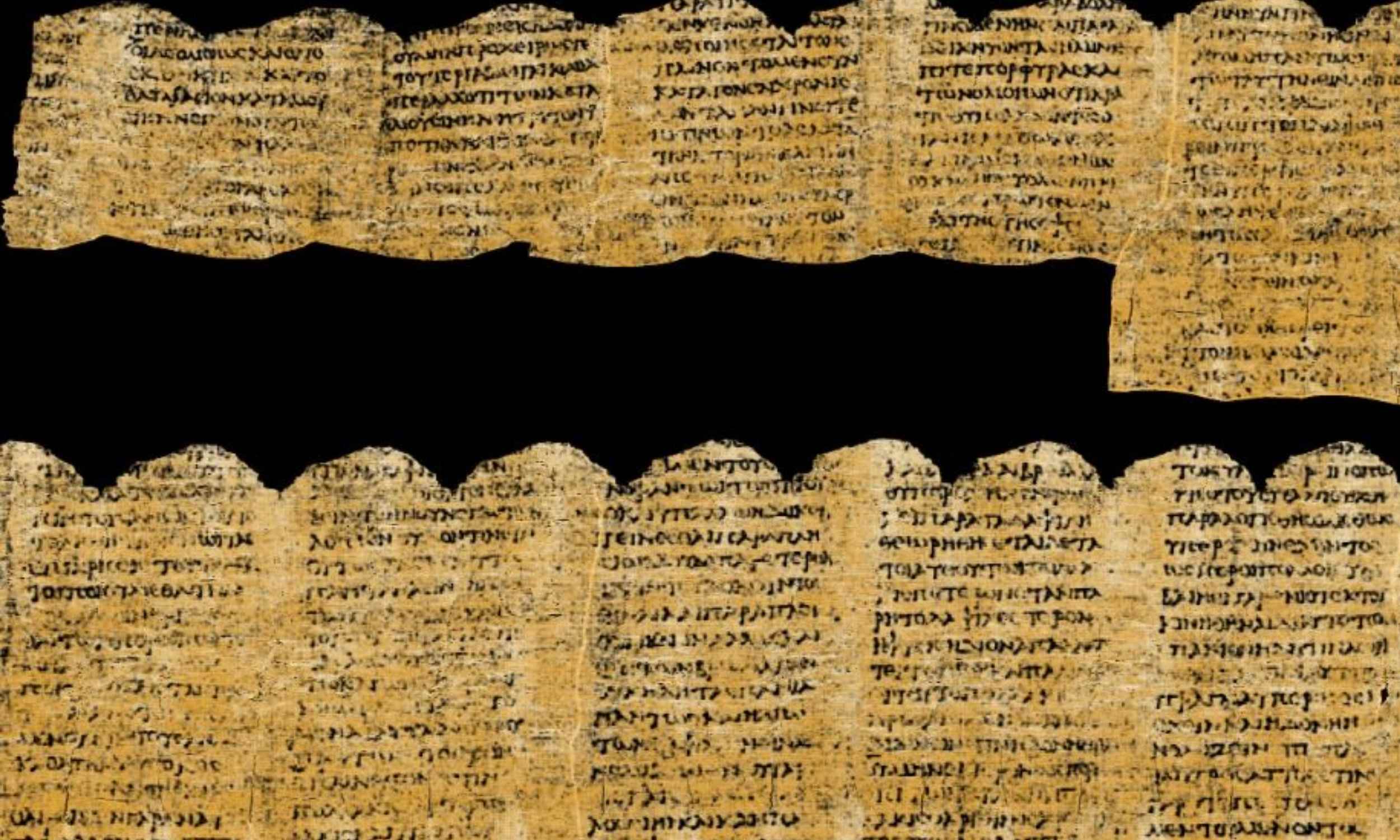
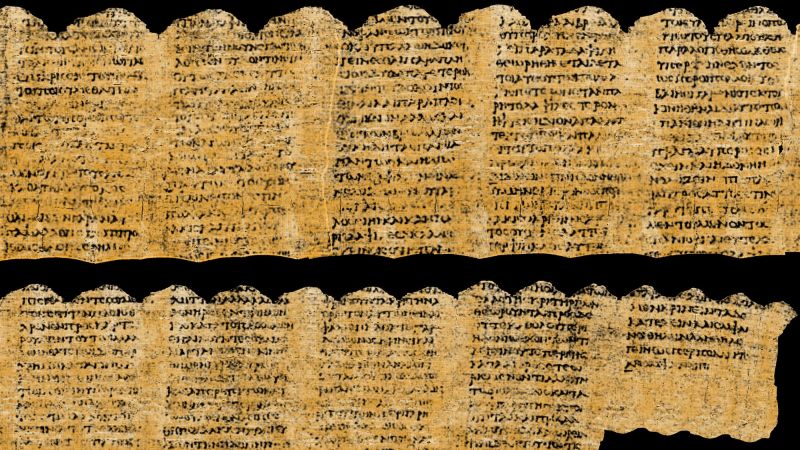
Researchers have developed a method to decipher carbonized scrolls from Herculaneum without unrolling them by detecting lead in the ink. By creating modern replicas and burning them, the team showed that X-ray scans can distinguish lead-based ink from carbonized papyrus, potentially unlocking thousands of unread ancient texts.