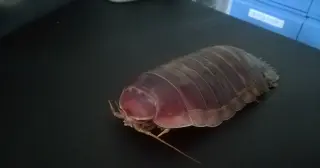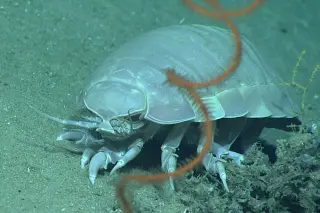
Deep-sea isopods can endure more than five years without food thanks to a giant stomach that stores meals, an ultra-low metabolism, and an energy-control gene (ND1) likely borrowed from bacteria via horizontal gene transfer, with gut microbes potentially aiding fat storage.
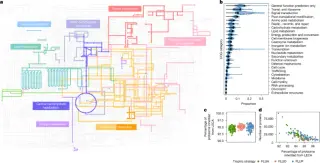
A large-scale phylogenomic study reconstructs the LECA proteome and finds that, beyond the mitochondrial alphaproteobacterial endosymbiont and Asgard archaea, substantial gene acquisitions came from diverse bacteria (notably Planctomycetota and Myxococcota) and from Nucleocytoviricota giant viruses. Timing analyses reveal multiple acquisition waves, including virus-mediated transfers, suggesting that early eukaryotes arose within complex microbial ecosystems via progressive, multi-partner gene exchange, rather than a single endosymbiotic event. The LECA appears to be a chimeric organism with core metabolism, endomembrane systems, and capabilities like phagocytosis, shaped by both innovations and horizontal transfers.
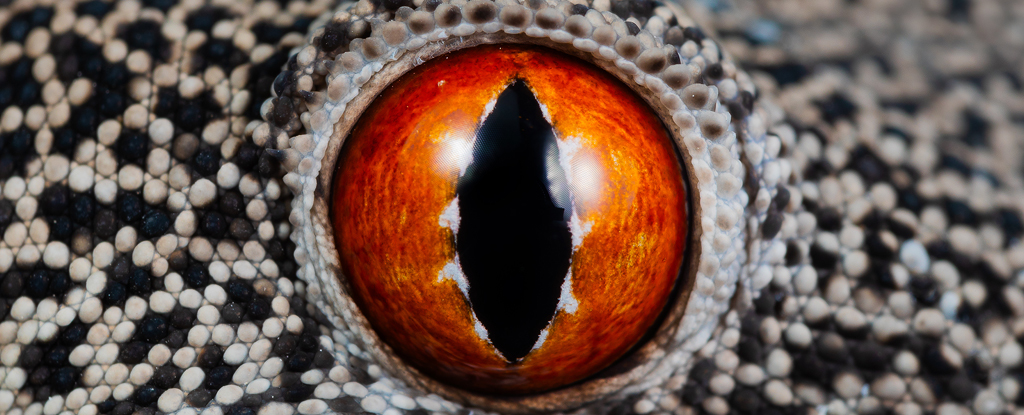
New research suggests that some components of vertebrate vision, such as the protein interphotoreceptor retinoid-binding protein (IRBP), may have been "stolen" from bacteria through horizontal gene transfer, rather than evolving incrementally through family lines. The appearance of IRBP in vertebrate-like eyes over 500 million years ago coincided with the appearance of vertebrate-like eyes. This discovery presents new possibilities for explaining complex biological processes and punctuating eukaryotic evolution by providing immediate functional novelty.