Tag

Human Computer Interaction

All articles tagged with #human computer interaction

Politeness Shapes AI: Study Finds Your Tone Alters Its Responses
emerging-tech23 days ago

Politeness Shapes AI: Study Finds Your Tone Alters Its Responses

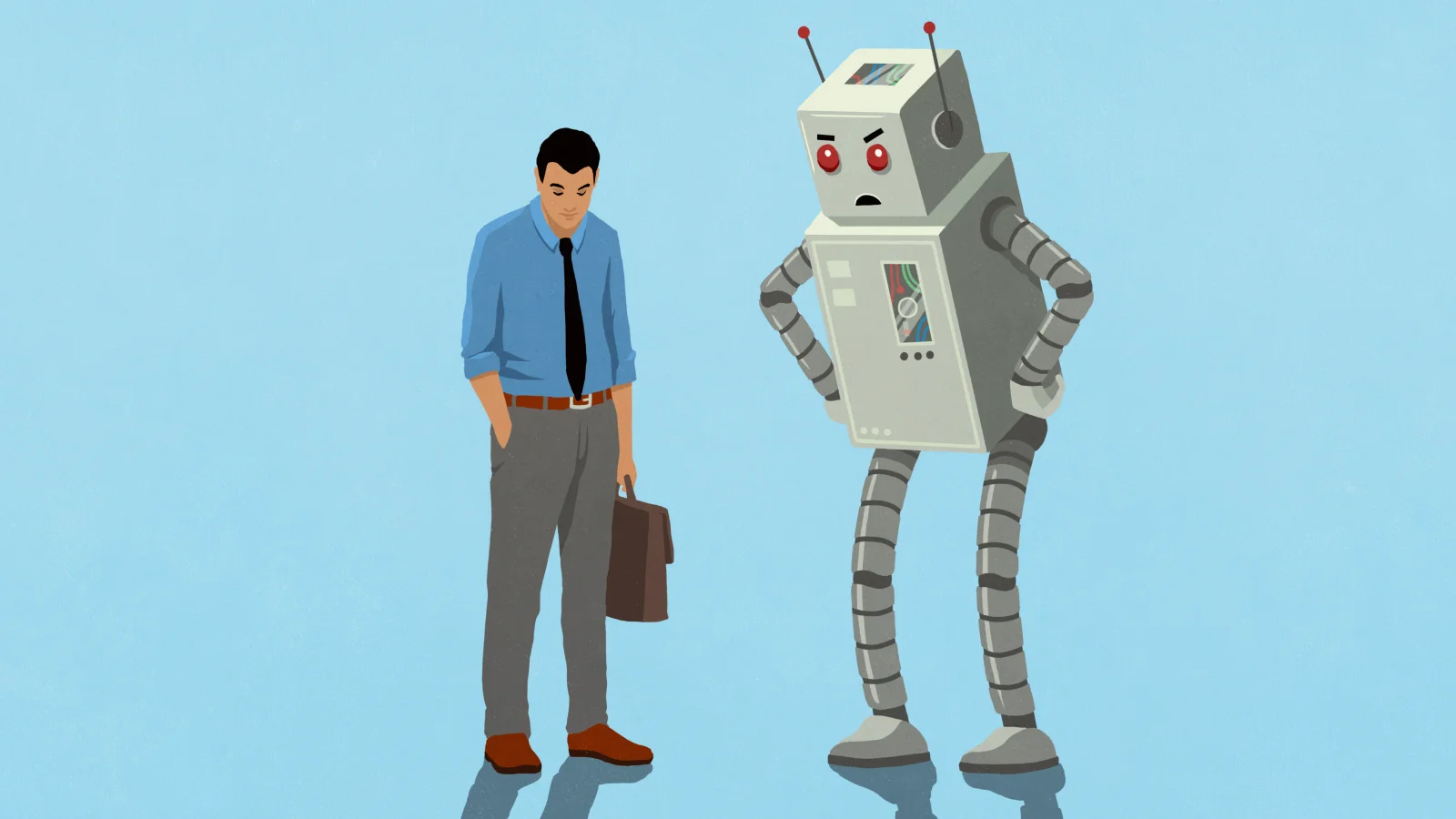
New research from UC Berkeley, UC Davis, Vanderbilt, and MIT shows that how you talk to AI affects its tone and engagement—courteous, collaborative prompts yield warmer replies and longer conversations, while rude or tedious prompts flatten performance and can trigger a ‘desperation vector’ under pressure. Interestingly, the biggest models often score lower on baseline well-being, suggesting interaction style matters as much as capability.
Rude but smarter: letting AI interrupt and adopt personalities boosts reasoning accuracy
technology2 months ago

Rude but smarter: letting AI interrupt and adopt personalities boosts reasoning accuracy

A study found that giving AI chatbots humanlike social traits—such as interrupting, varying speaking order, and adopting Big Five personality styles—improves their performance on complex reasoning tasks. In experiments with fixed vs dynamic turn-taking and an interrupted-talk setting, accuracy on the Massive Multitask Language Understanding benchmark rose from about 68.7% (fixed order) to 79.2% ( interruption-enabled), especially in tougher scenarios. The researchers suggest that such conversational dynamics can boost collective AI intelligence and may be applicable to real-world collaborative tasks.

Scientists Reveal Why Some Gamers Prefer Inverted Controls
science8 months ago

Scientists Reveal Why Some Gamers Prefer Inverted Controls

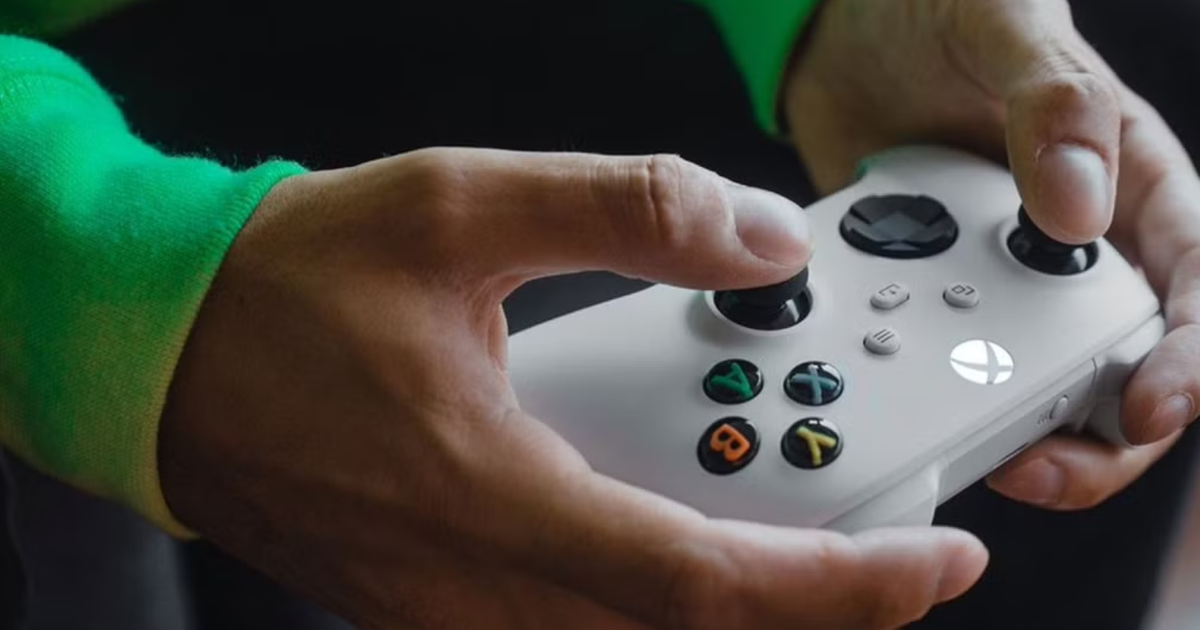
A scientific study from Brunel University reveals that whether players invert video game controls is influenced by how their brains perceive 3D space, with faster mental rotation correlating with non-inverted preferences, though inverted players tend to be more accurate. The findings suggest trying the opposite control scheme might improve gameplay and have broader implications for human-machine interactions.

Jef Raskin's Vision for a Humane Computer
technology8 months ago

Jef Raskin's Vision for a Humane Computer

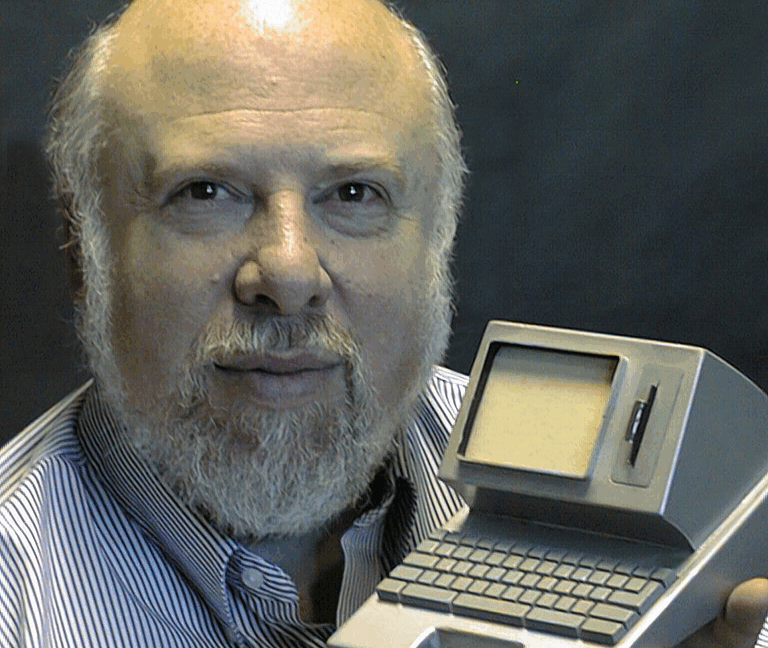
Jef Raskin, a pioneer in humane computer design and original creator of the Macintosh project, envisioned user interfaces focused on functionality and human needs rather than visual metaphors. His designs, including the Swyft and Canon Cat, emphasized simplicity, consistency, and a unified workspace, aiming to make computers more humane and accessible. Despite many of his ideas being altered or not fully realized, his influence persists in modern interface philosophy.

"Neuralink's First Human Brain Chip Implant: A New Era in Human-Computer Synergy"
technology2 years ago

"Neuralink's First Human Brain Chip Implant: A New Era in Human-Computer Synergy"

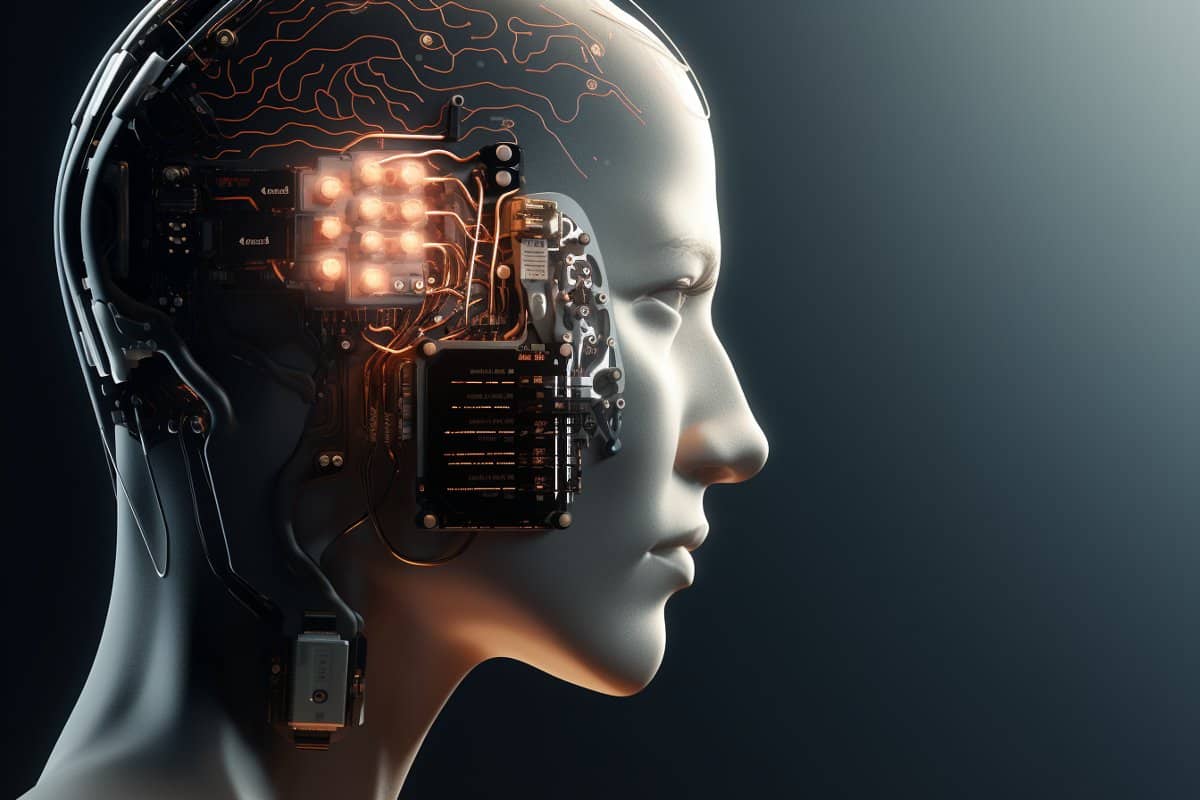
Elon Musk announces the successful implantation of Neuralink's brain chip, Telepathy, in a human, aiming to enable individuals with severe physical disabilities to control digital devices through thought. The FDA-approved trial focuses on movement control, with the patient showing promising initial results. Neuralink's mission extends from immediate medical aid to long-term cognitive and sensory enhancements, sparking discussions on technological, ethical, and societal implications. The future scenarios range from niche medical adoption to widespread societal integration, with implications for human potential, privacy, and regulatory considerations.

Smart Glasses Could Help Cyclists Communicate with Self-Driving Cars, Study Suggests
technology3 years ago

Smart Glasses Could Help Cyclists Communicate with Self-Driving Cars, Study Suggests

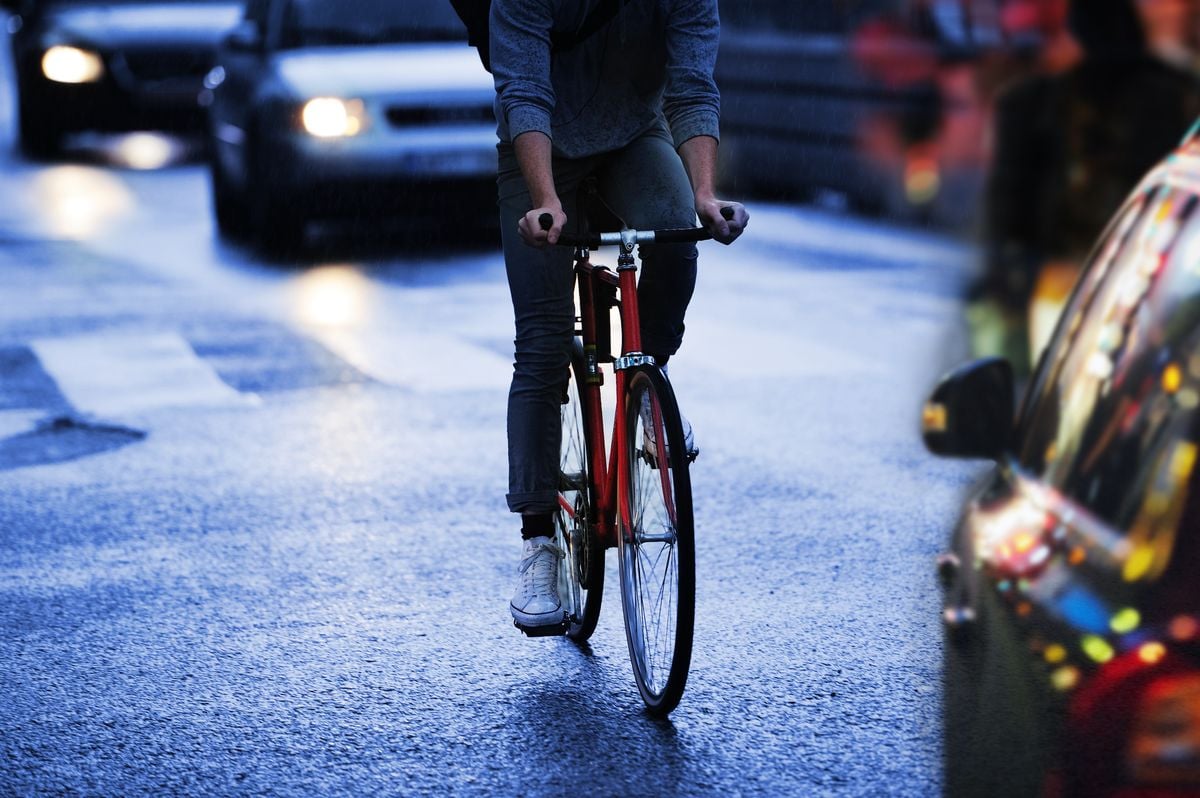
Researchers from the University of Glasgow have suggested that self-driving cars need to learn the "language of cyclists" to ensure road safety. The team has recommended that autonomous vehicles should behave appropriately and understand human communications. One solution is for cyclists to wear "smart glasses" which AVs could communicate directly to. The researchers also suggest that AVs could better signal their intentions with displays integrated onto their exteriors. The team observed 414 separate interactions between bike riders and motorists at five city intersections during busy periods in the morning and late afternoon to learn more about how road users interact.