
Gum-Disease Bacteria May Drive Calcified Heart Valve Damage, New Research Finds
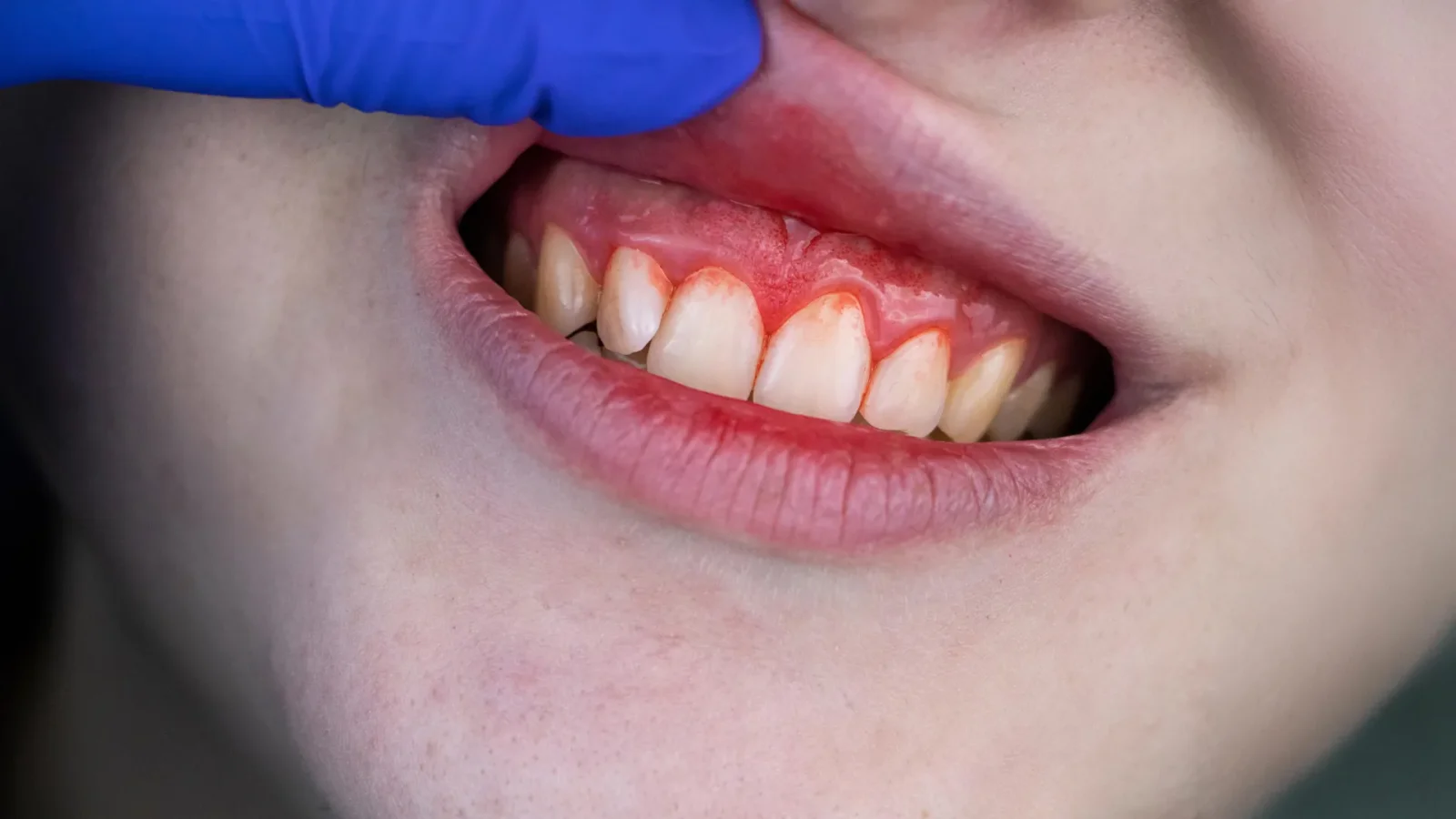
Researchers traced Porphyromonas gingivalis, a gum-disease bacterium, to calcific aortic valve stenosis by showing it can accumulate in the aortic valve and drive inflammation and calcium buildup in mice; antibiotics reduced the effect, and deleting IL-1β lessened calcification, hinting at a biological link between periodontal disease and heart valve damage. The findings are preliminary (not yet peer-reviewed) and human studies are underway, but experts say good oral health could benefit heart health.