
Gum-Disease Bacteria May Drive Calcified Heart Valve Damage, New Research Finds
TL;DR Summary
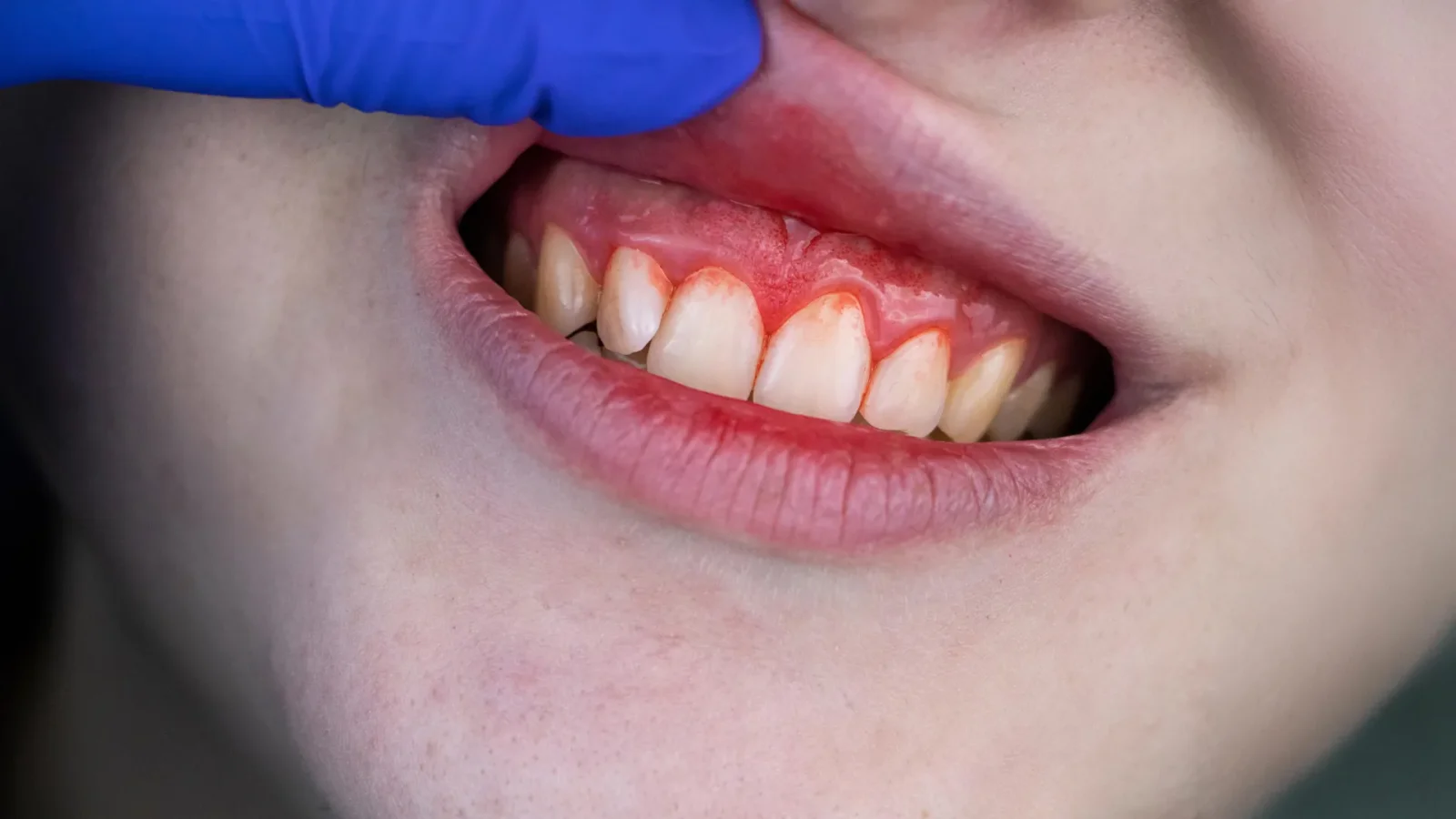
Researchers traced Porphyromonas gingivalis, a gum-disease bacterium, to calcific aortic valve stenosis by showing it can accumulate in the aortic valve and drive inflammation and calcium buildup in mice; antibiotics reduced the effect, and deleting IL-1β lessened calcification, hinting at a biological link between periodontal disease and heart valve damage. The findings are preliminary (not yet peer-reviewed) and human studies are underway, but experts say good oral health could benefit heart health.
Topics:health#calcific-aortic-valve-stenosis#gum-disease#health-and-medicine#il-1b#inflammation#porphyromonas-gingivalis
- Scientists discover a hidden heart valve risk linked to gum disease ScienceDaily
- Bacteria from gum disease may cause inflammation, harden heart valves www.heart.org
- Heart failure promotes gingival inflammation and impairs periodontal remodeling Nature
- Treating Gum Disease Could Prevent Most Common Heart Valve Disease Inside Precision Medicine
- Gum disease bacterium implicated in mouse study of aortic valve calcification London Daily News
Reading Insights
Total Reads
1
Unique Readers
26
Time Saved
7 min
vs 8 min read
Condensed
95%
1,557 → 72 words
Want the full story? Read the original article
Read on ScienceDaily