AC myths busted: keeping indoor air safe in smoky NYC
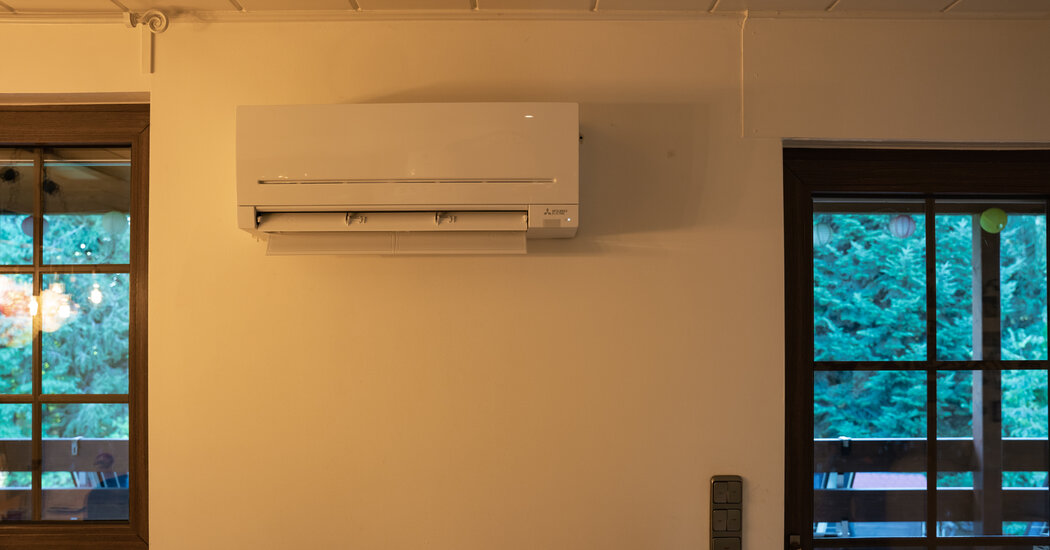
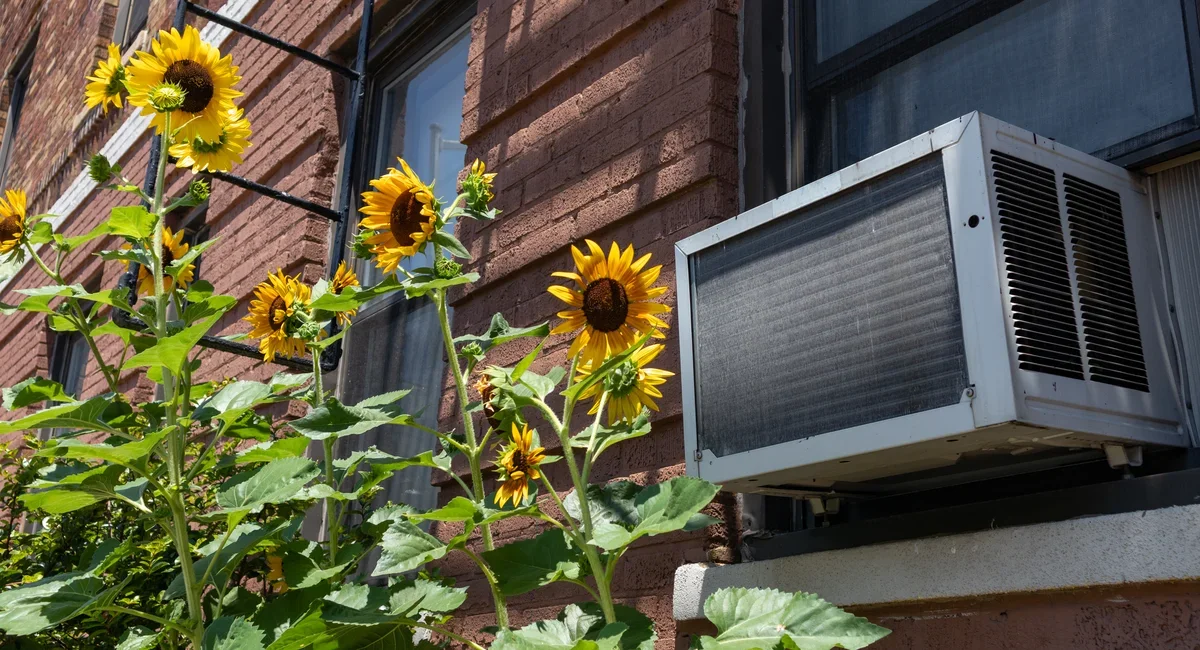
As wildfire smoke blankets New York, experts warn that most window ACs primarily recirculate indoor air and won’t fully purify the air. Look for fresh-air dampers on units, maintain and replace filters every 4–6 weeks, seal gaps around windows (including accordion panels), and understand that central AC may not be prepared for sudden smoke. Portable ACs with single hoses can draw in more smoke; if possible, use air purifiers or DIY clean-air setups instead of relying on the AC for air quality. Also limit indoor pollutant sources and avoid strenuous activity during smoky conditions.