Amazon has launched a fully redesigned 2026 Kindle lineup, featuring thinner, lighter bodies, flush displays, and new color options. The new devices include the base Kindle, Paperwhite, Colorsoft, and Kids versions, with aluminum variants offering double storage and premium finishes. New accessories include a Bluetooth page-turn remote and a case with physical buttons.
Apple shifted the Pro lineup from a titanium frame to an aluminum unibody with a vapor chamber in the iPhone 17 Pro, citing improved heat dissipation and longer sustained performance (up to 40% better in some tasks). Titanium remains used in the iPhone Air, but for Pro models aluminum offers design and thermal advantages, including room for a larger camera module and bigger battery, suggesting titanium may not return to the Pro line for now.
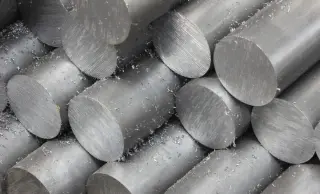
President Trump issues a new proclamation altering the Section 232 tariff regime for aluminum, steel, and copper imports, effective June 8, 2026. The changes expand derivative coverage (including agricultural equipment and certain residential HVAC components) and adjust tariffs: 25% on listed metal products, 10% on derivative articles that are entirely US-made in metal content, and a temporary 15% reduced rate for selected derivative products; aluminum lithographic plates and steel racks are now covered derivatives; the threshold for “made entirely from American” drops from 95% to 85%. For Canada and Mexico under USMCA, 25% applies only to non-U.S. content with a floor of 15%. Beginning 2028, rates will align with Proclamation 11021. The Secretary of Commerce and other agencies will monitor and adjust as needed to address national security concerns and ensure implementation across HTSUS changes.
A Weibo leaker argues that Apple’s Pro iPhones are unlikely to return to titanium soon, citing aluminum’s superior heat dissipation for AI workloads; rumors of liquid metal or revised titanium alloys persist for future Pro models and foldables, but the iPhone 18 Pro is expected to stay aluminum at least until 2027.
Apple is reportedly moving away from aluminum on the iPhone 17 Pro due to denting, weighing a return to titanium with improved heat management or a costly liquid-metal option, with titanium seen as the most likely path if a lighter, better-thermally-conductive version can be perfected.
Researchers at King’s College London synthesized a novel Al3 triangular compound, cyclotrialumane, that remains intact in solution and reacts with ethylene at room temperature to form unprecedented aluminum–carbon rings, a reactivity once seen only in precious metals, signaling a potential path to replacing platinum-group catalysts—though the work is early-stage and lab-scale, published in Nature Communications.
The piece reviews concerns that aluminum salts used in antiperspirants—often near breast tissue—could influence breast cancer risk. While some lab studies suggest weak estrogen-like activity and a few breast-tissue detections exist, major reviews find no clear causal link and note the evidence is limited and inconsistent. Scientists call for better long-term prospective studies, and readers are given practical options: check labels for aluminum salts, consider aluminum-free deodorants, patch-test new products, and discuss personal risk with clinicians. Marketing terms like “natural” are not standardized, and the decision to switch should balance personal comfort, skin sensitivity, and potential risk.
Geopolitical conflict has effectively shut the Strait of Hormuz, forcing Gulf aluminum smelters to cut output and reroute shipments, causing price spikes and disruption for automakers like Toyota and Nissan that rely on specialized, low-carbon aluminum for EVs. With stockpiles exhausted and shipments requiring lengthy recertification, OEMs face procurement risk, higher costs, and renewed focus on supply-chain resilience, while related battery materials such as sulfur could also tighten.
Apple says the MacBook Neo is a quintessential MacBook made from premium aluminum with its own personality, starting at $599 and available in colors like Blush and Citrus, but it includes compromises such as 8GB RAM, no MagSafe, a USB-C port limited to USB 2 speeds, and non-backlit keys, with pre-orders beginning March 4 ahead of the March 11 launch.
Google is pursuing a ChromeOS-Android union code-named Aluminum, potentially letting Chromebooks run Android apps natively and adopting a bigger-screen Android UI. Court filings suggest testing in late 2026 and a possible full release by 2028, with some obsolescence planning for 2034 and antitrust pressure as context for keeping Chrome and the Play Store central.
Ford stock slipped after Novelis, a key aluminum supplier, remained off full production due to fires, prompting Ford to seek alternative sources and caution that 2025 profits could be hit by reduced aluminum output (including a potential loss of about 100,000 F-Series pickups). A related F-150 class-action proceeds, while analysts keep a Hold view with modest upside. Ford plans to update investors with its Feb. 10 earnings report.
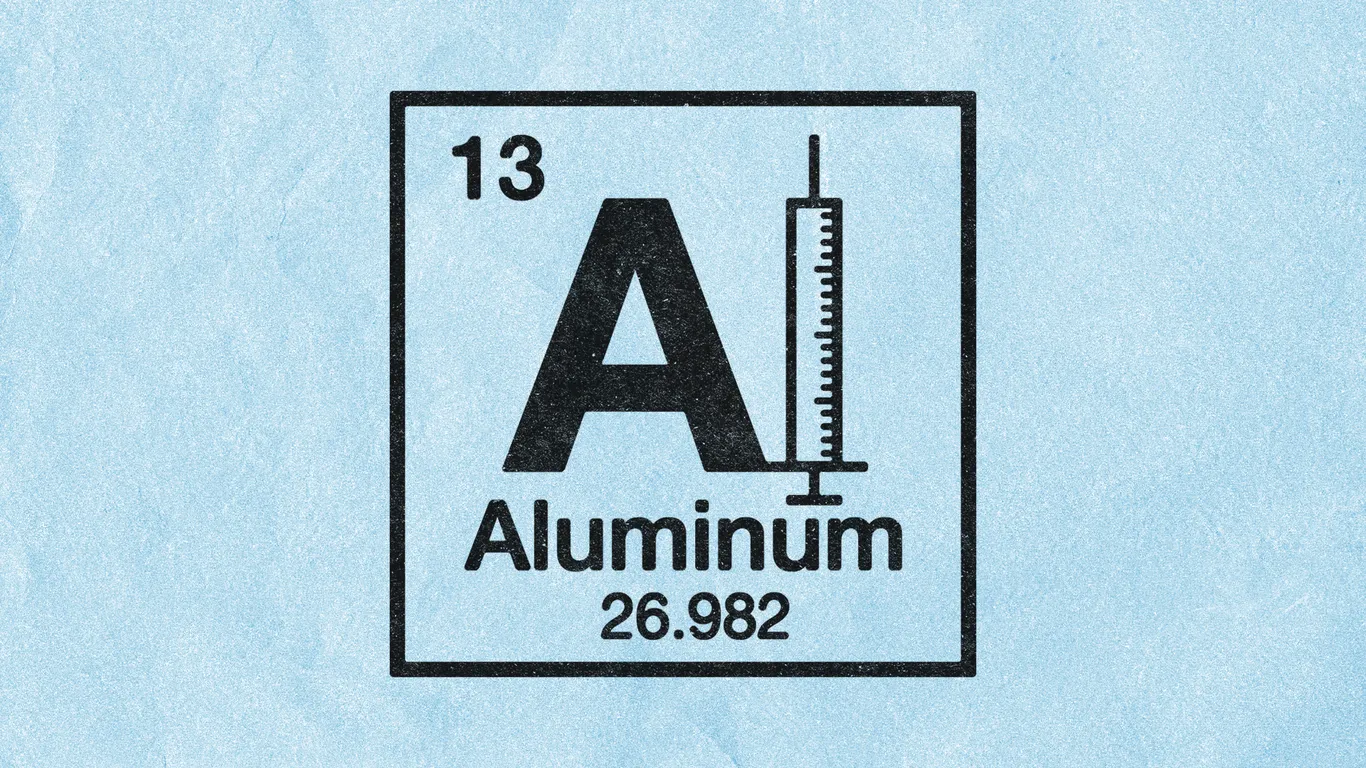
The CDC is reviewing the safety of aluminum in vaccines amid skepticism from vaccine opponents like Robert F. Kennedy Jr., which could lead to changes in vaccine recommendations or increased regulation, potentially impacting vaccine availability and the vaccine industry.
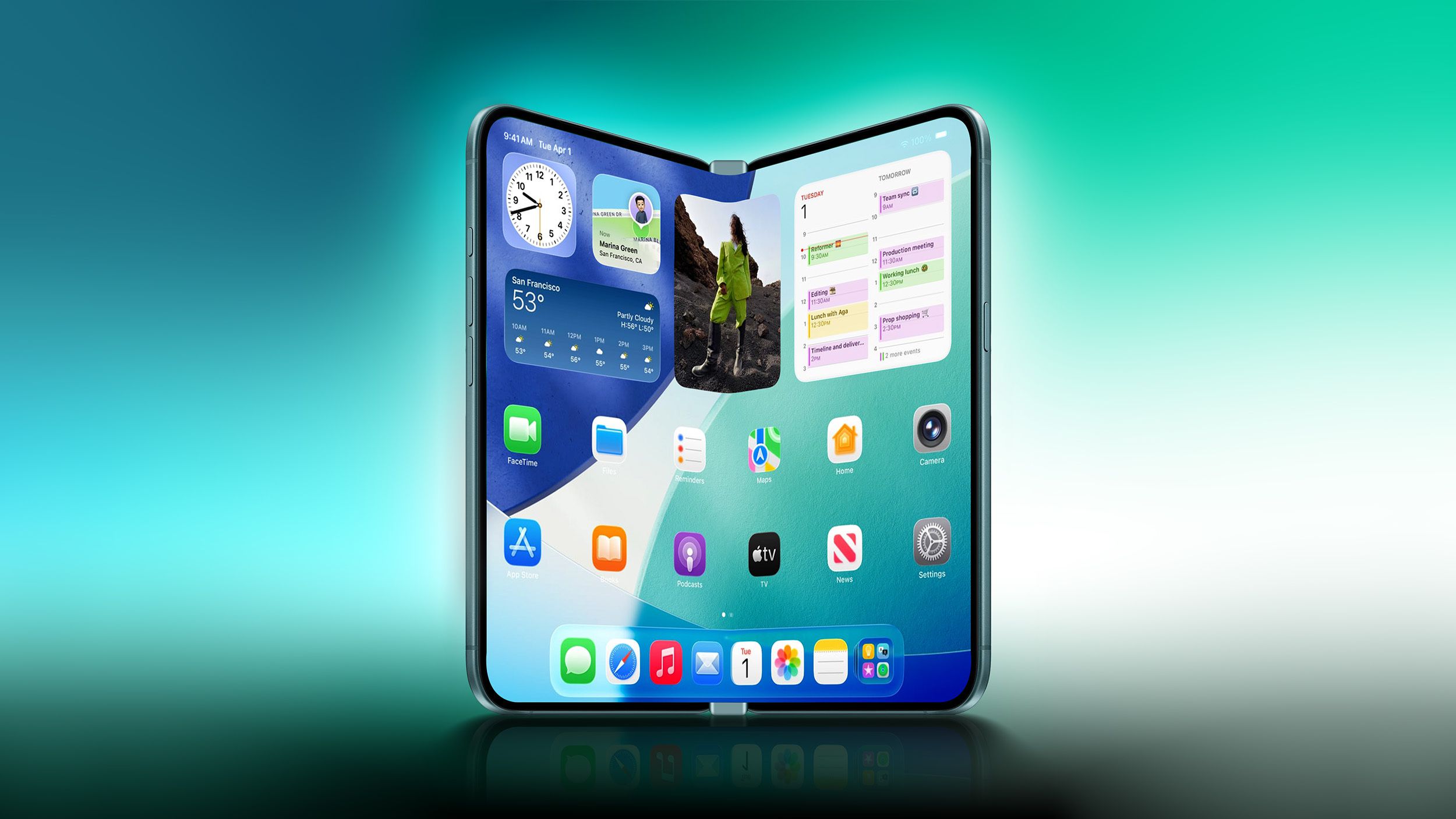
Apple's upcoming foldable iPhone, expected in 2026, will feature a titanium and aluminum frame, with some rumors suggesting a hybrid of titanium and stainless steel for durability and weight reduction, as part of its thin design and advanced hinge technology.
The Trump Administration has expanded its 50% tariffs on imported steel and aluminum to include 407 categories of derivative products, notably affecting motorcycles and parts, which could lead to higher prices and increased complexity in trade and customs processes. The tariffs apply only to the steel and aluminum content in these products, but the implementation details are confusing and incomplete, impacting a wide range of goods and industries.
The US has implemented a 50% tariff on 407 categories of goods containing steel and aluminum, significantly increasing costs for importers and potentially impacting various industries like construction, automotive, and electronics, amid ongoing trade policy changes under President Trump.