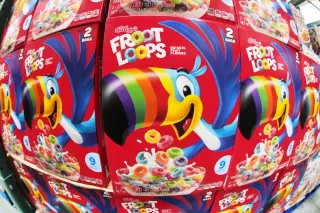
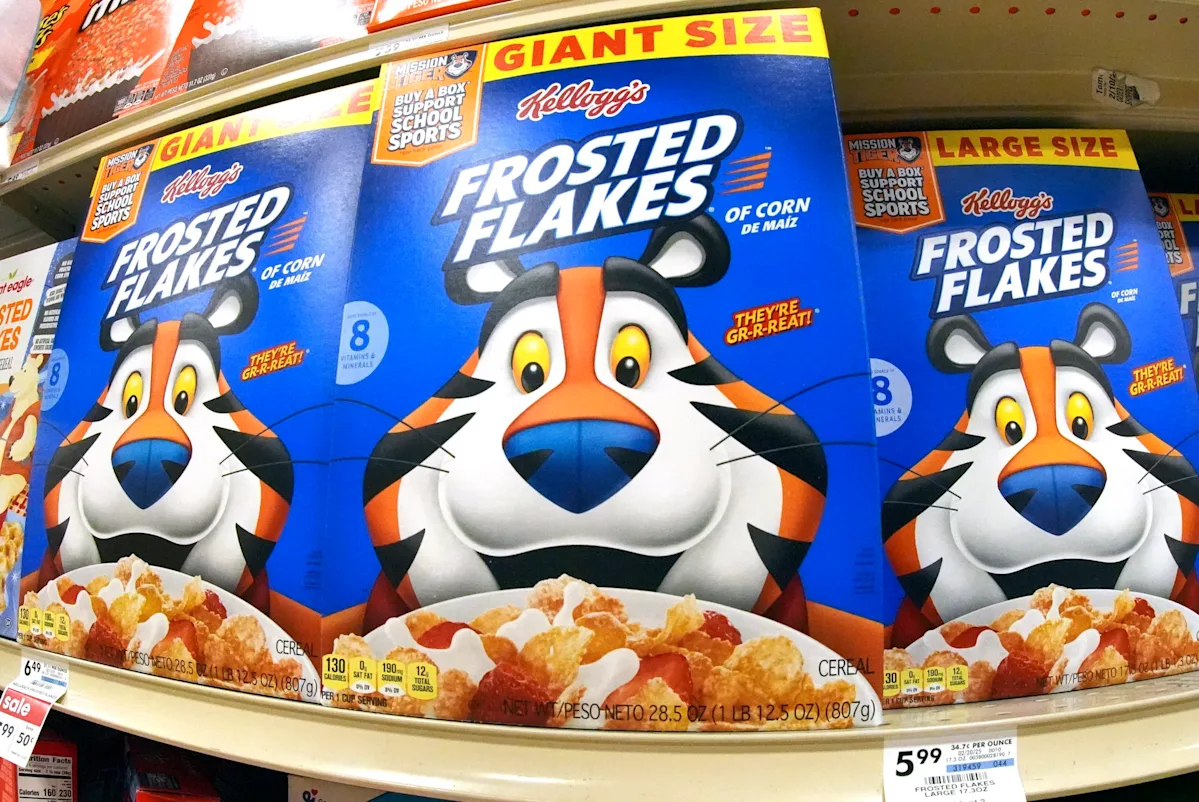
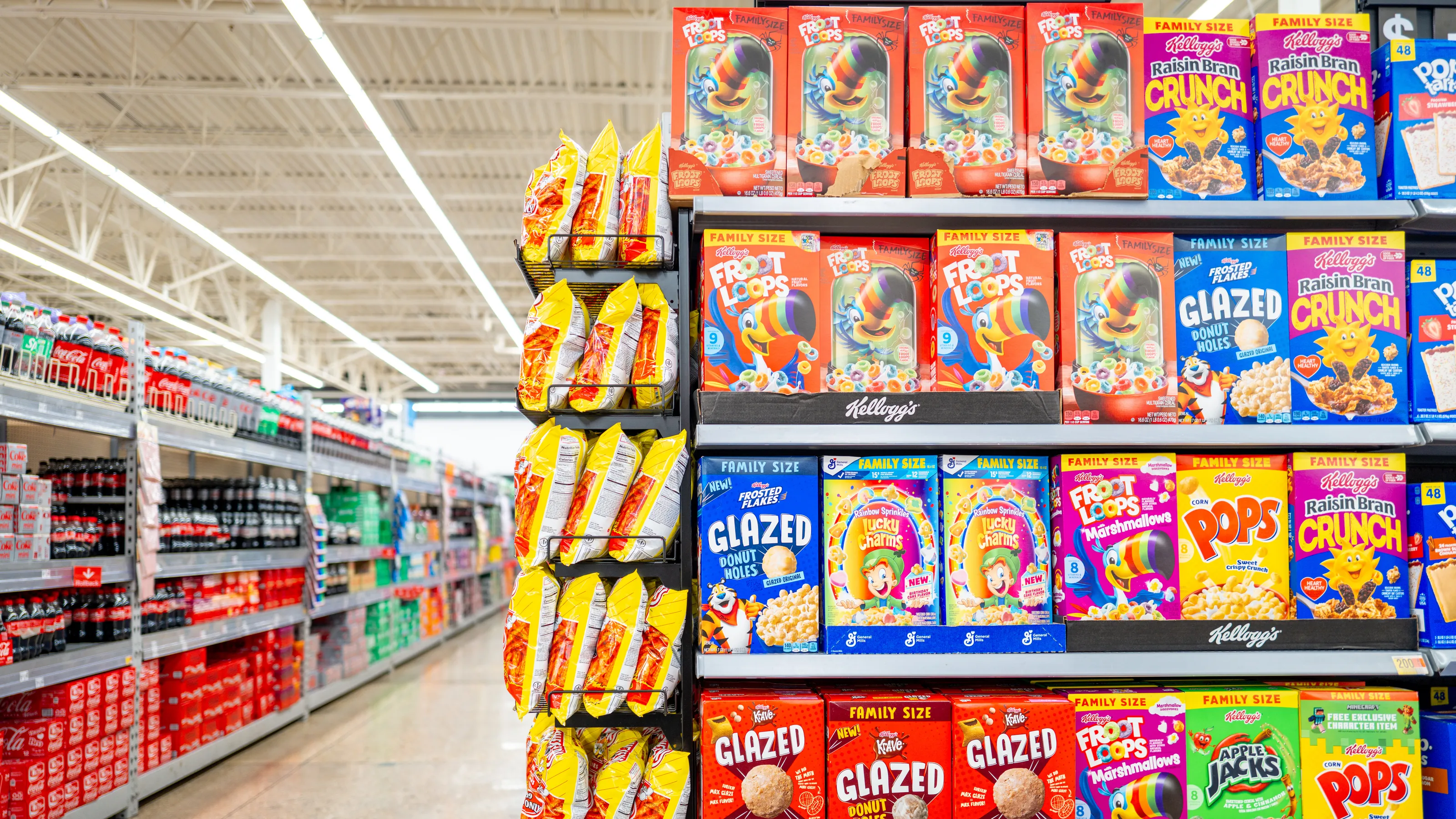
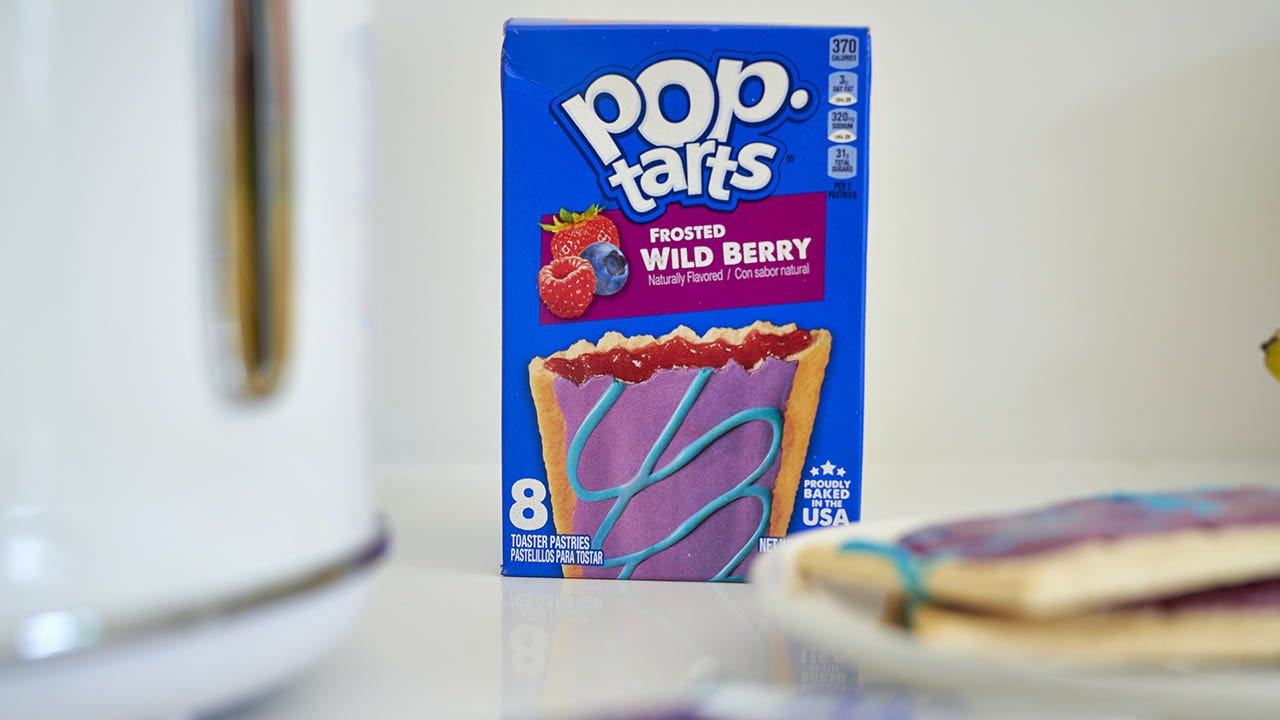
Kellogg Co. says it will accelerate its plan to remove artificial colors from cereals and other products, aiming to complete the transition by year-end 2026 as part of a broader shift toward natural ingredients.
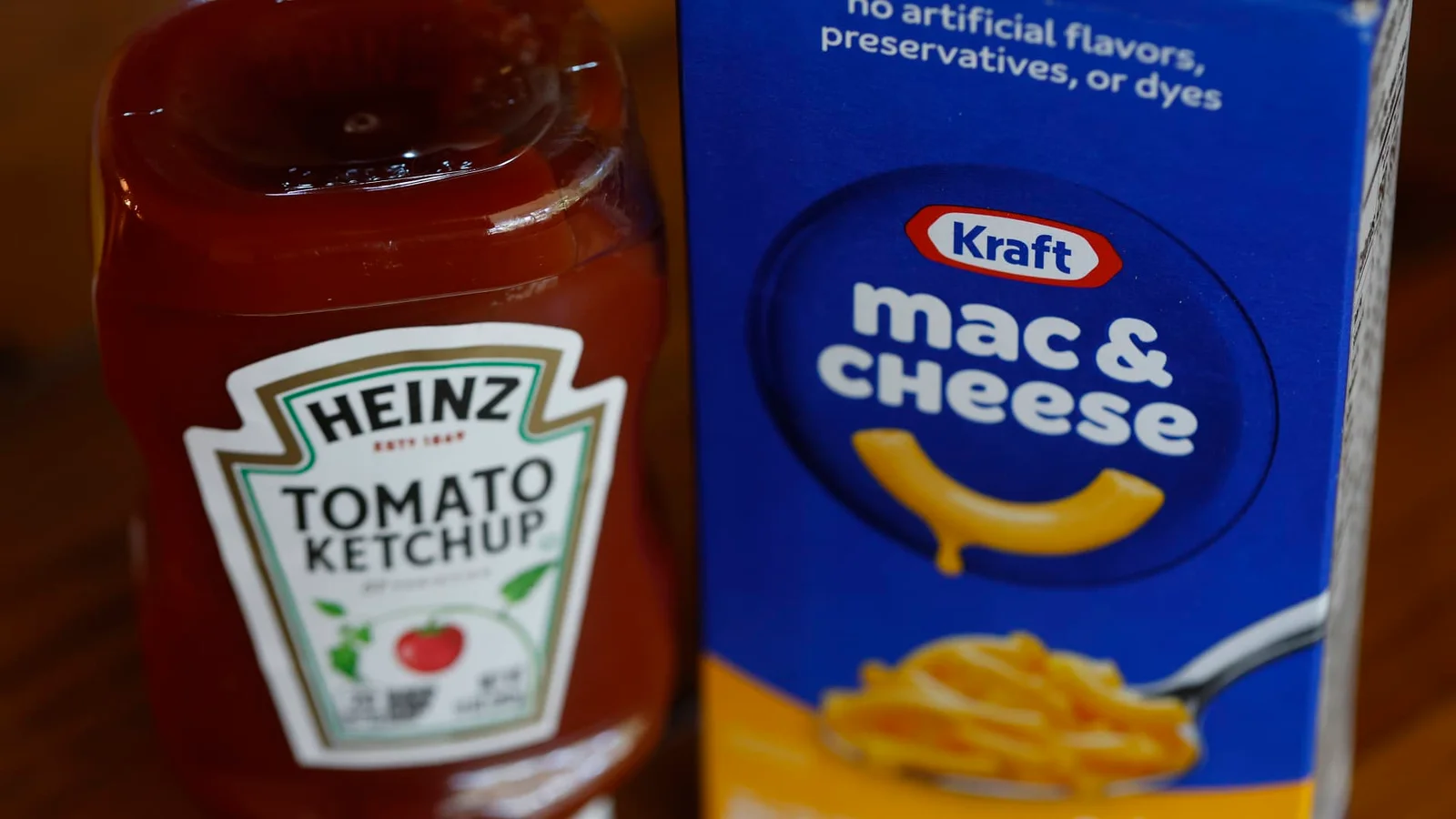
Kraft Heinz plans to split into two separately traded companies, undoing its 2015 megamerger, while Kellogg’s split into Kellanova and WK Kellogg has preceded a wave of divestitures in the sector. With slowing demand, price pressure, and tighter regulation, consumer-packaged goods giants are shedding underperforming brands and refocusing on core assets. Bain projects about 42% of consumer-products M&A in the coming years will involve asset sales, and smaller deals with insurgent brands or private-labels are rising as the industry rethinks growth strategies. Berkshire Hathaway is reportedly considering exiting its Kraft Heinz stake, and the trend mirrors shifts seen in other industries and media, signaling a leaner, more modular Big Food landscape.
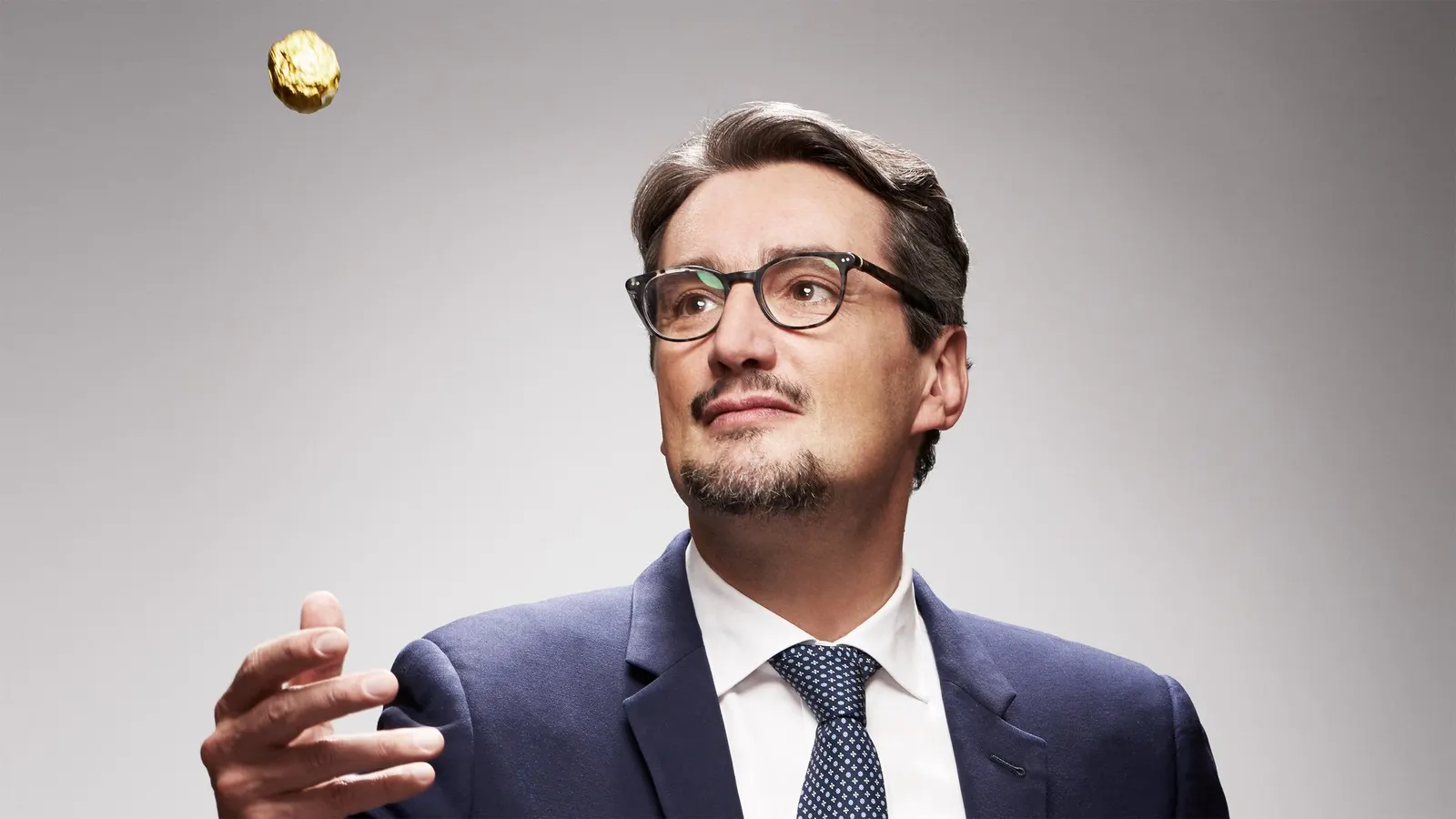
Giovanni Ferrero, the Italian billionaire and executive chairman of Ferrero, has led the company's expansion through strategic acquisitions, culminating in a $3.1 billion deal to acquire WK Kellogg, significantly boosting Ferrero's presence in the U.S. and transforming it into a global food powerhouse with revenues nearing $20 billion.
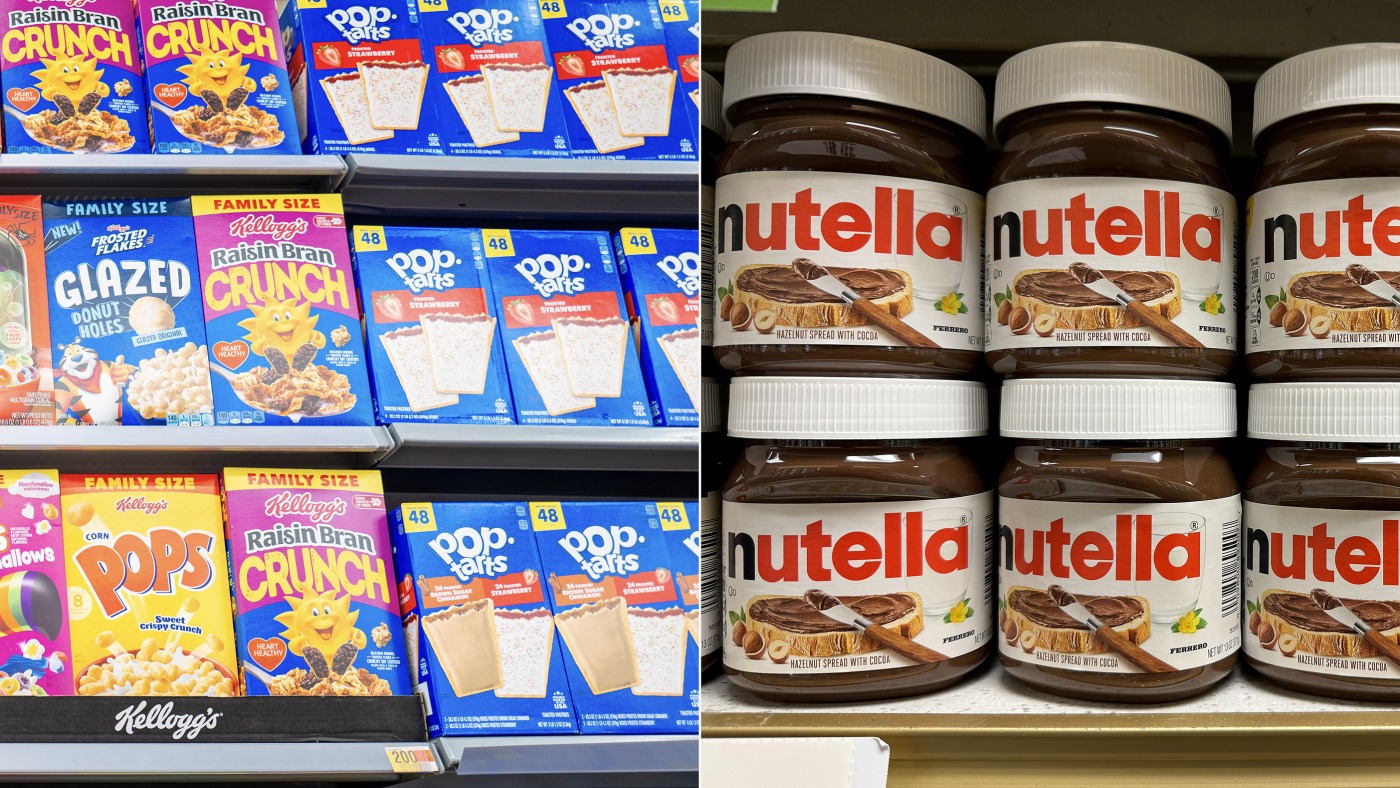
Ferrero, the Italian maker of Nutella, is acquiring American cereal giant Kellogg for $3.1 billion, uniting two iconic brands amid changing consumer habits and market challenges. The deal aims to expand Ferrero's presence in North America and will undergo regulatory reviews.
Ferrero, the Italian confectionery company known for Nutella, plans to acquire the U.S. cereal maker WK Kellogg for $3.1 billion, including brands like Froot Loops and Rice Krispies, making Kellogg a subsidiary of Ferrero once the deal is approved.
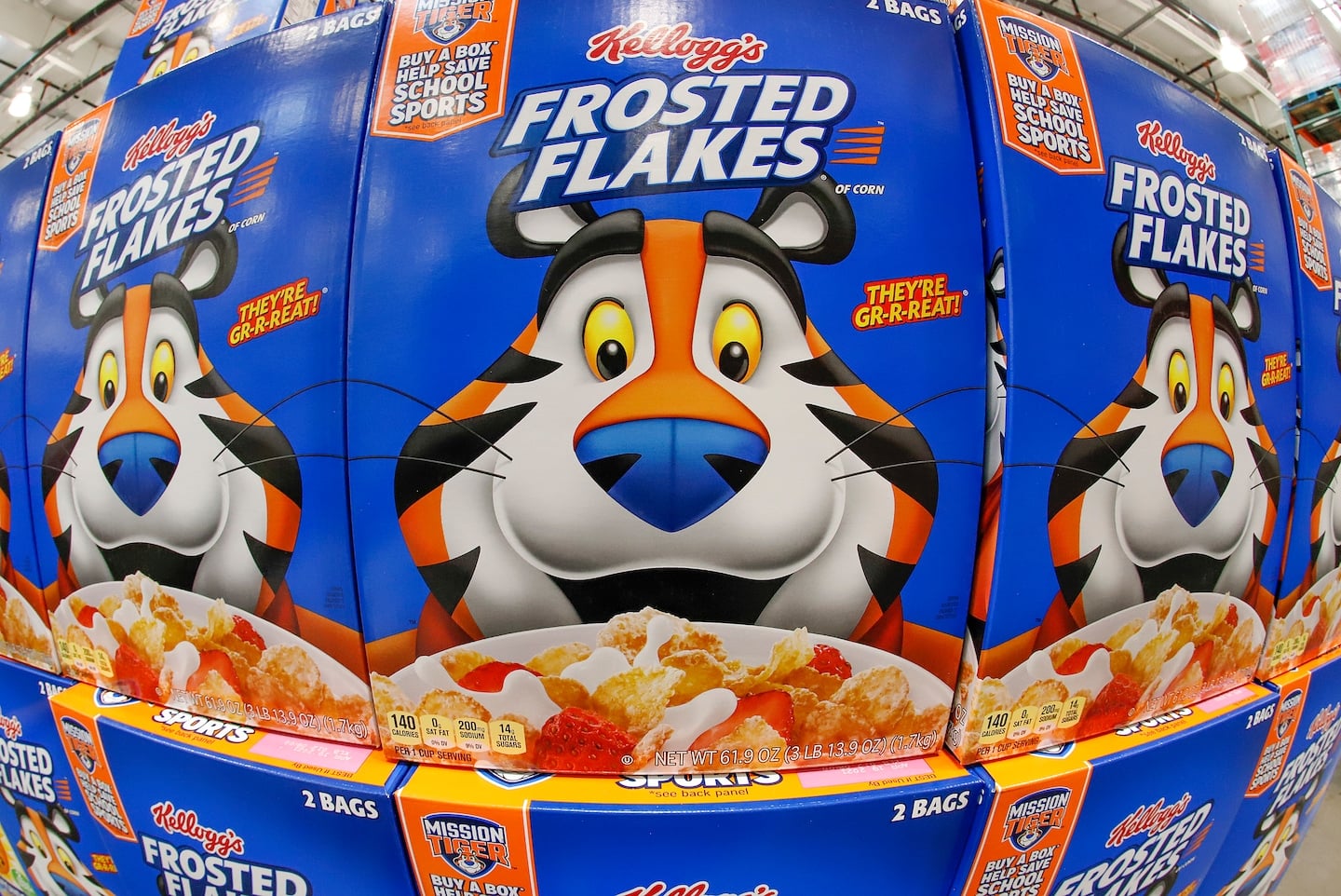
Michigan's WK Kellogg Co., known for cereals like Frosted Flakes and Froot Loops, is nearing a $3 billion acquisition by Italian candy maker Ferrero, which could be finalized soon, potentially impacting local jobs and Michigan's corporate heritage.
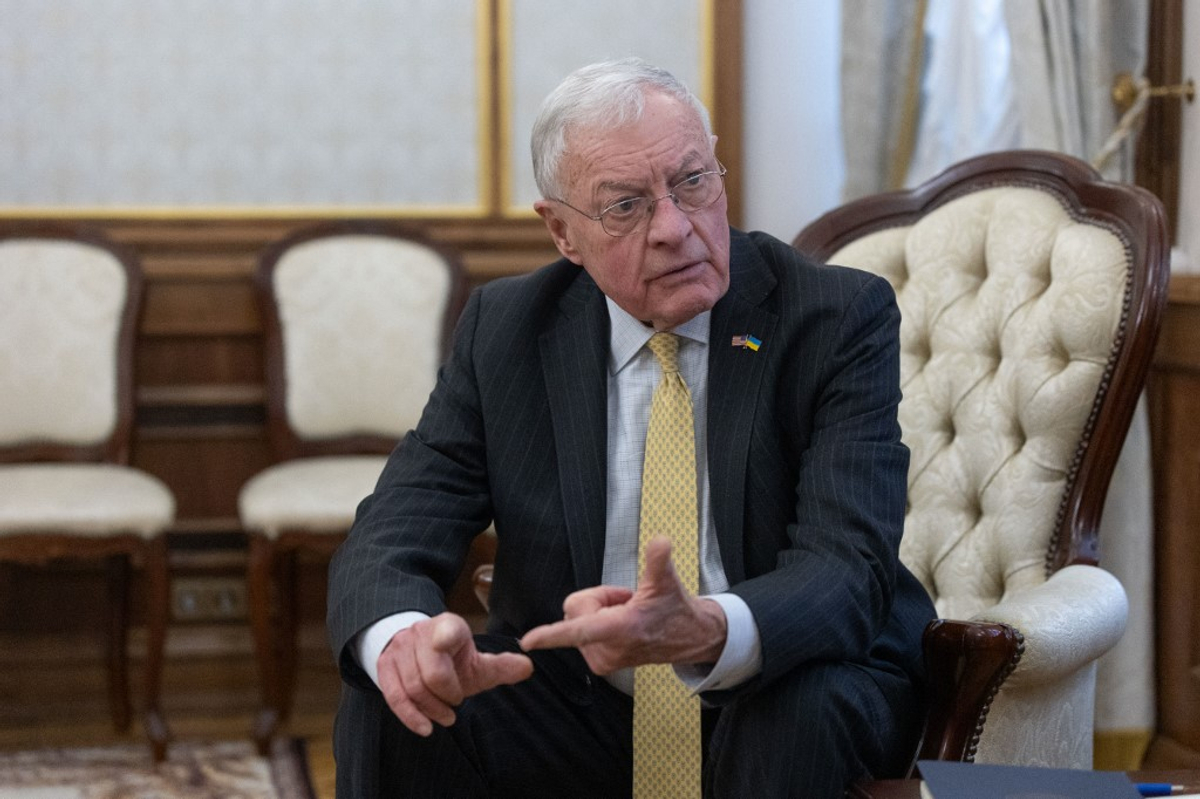
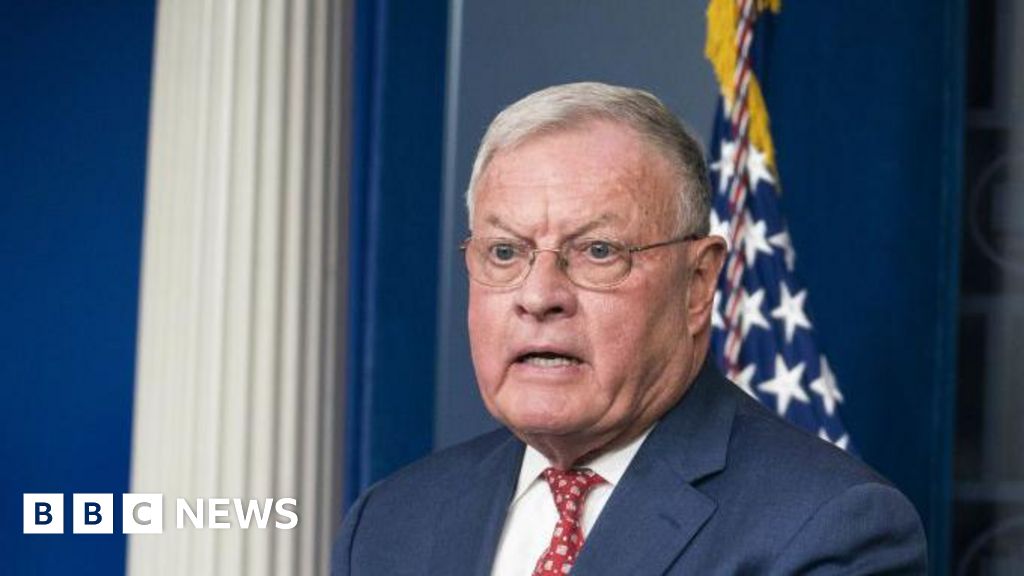
US Special Envoy for Ukraine, Lt. Gen. Keith Kellogg Jr., criticized Russia's claims that the US and Ukraine are stalling peace negotiations, emphasizing Russia's continued bombing of Ukrainian civilians and its maximalist demands, while calling for an immediate ceasefire and trilateral talks to end the conflict.
President-elect Donald Trump has appointed Keith Kellogg, a former national security adviser, as special envoy to Ukraine and Russia, aiming to negotiate an end to the ongoing war in Ukraine. Kellogg, who has advocated for tough negotiations, suggests that US aid to Ukraine should be contingent on peace talks with Russia. His plan, outlined in a paper co-authored with Fred Fleitz, includes delaying Ukraine's NATO membership to encourage Russian participation in negotiations. Trump's approach to resolving the conflict remains vague, though he has promised to end the war swiftly.
WK Kellogg CEO Gary Pilnick faced backlash after suggesting in a TV interview that people should eat cereal for dinner to save money amidst rising food prices and inflation. His comments sparked outrage on social media, with many criticizing the insensitivity of the suggestion given the current economic challenges. The rising cost of food, particularly in the cereal and bakery products category, has outpaced inflation, driven by factors such as fuel, labor, and packaging costs. Despite the price increases, consumers remain loyal to these products, giving manufacturers little incentive to lower prices.
Kellogg's CEO Gary Pilnick faced backlash after suggesting families eat cereal for dinner as a more affordable option amidst rising food prices, with critics accusing the company of exploiting poverty for financial gain. Pilnick's comments were met with criticism for being out of touch, with some likening them to Marie Antoinette's infamous "let them eat cake" quote. Critics also pointed out the rising cost of cereal and its nutritional inadequacy as a dinner substitute, while highlighting Pilnick's substantial salary.
Kellogg's CEO, Gary Pilnick, faced backlash after promoting "cereal for dinner" as a cost-saving measure for struggling families amidst rising food prices, with some consumers criticizing the disconnect between his suggestion and the reality of expensive cereal prices. Pilnick's comments come as Americans are spending a significant portion of their income on groceries, and the internet's response to his remarks has been largely negative, highlighting the challenges of affording basic food items.
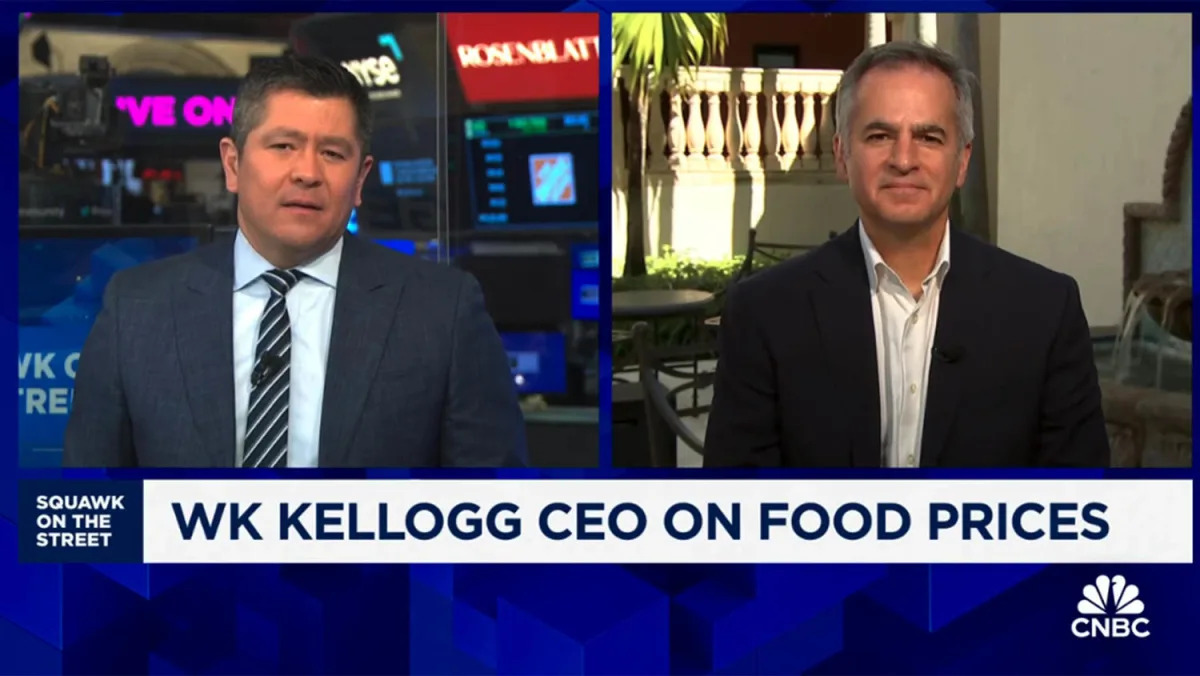
WK Kellogg CEO Gary Pilnick suggested eating cereal for dinner to save money on groceries, sparking backlash from consumers who criticized the idea as out of touch with the financial struggles many face. Pilnick's comments, made during an appearance on CNBC's "Squawk on the Street," were met with skepticism and anger on social media, with many pointing out the irony of his suggestion given his high salary and the company's profits. The CEO's remarks have reignited discussions about the affordability of food and the disconnect between corporate executives and everyday consumers.
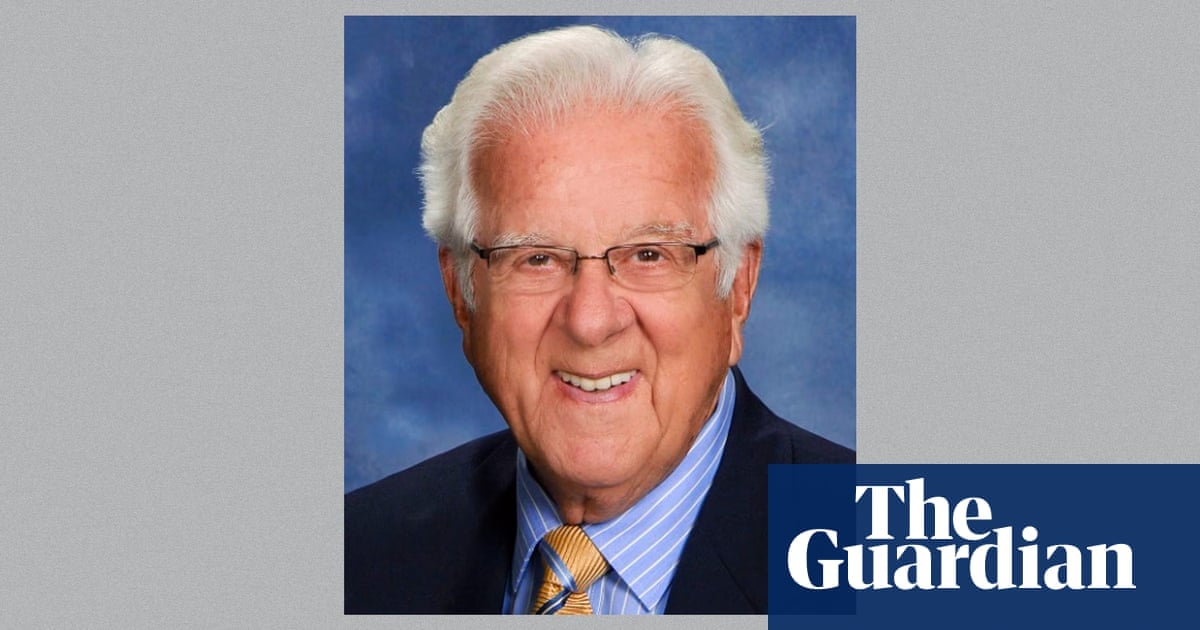
William "Bill" Post, credited with a key role in inventing Pop-Tarts, passed away at 96. Described as humble, he considered the creation a team effort. Post's career included working at Hekman Biscuit Company, later known as The Keebler Company, and consulting for Kellogg's after retirement. Survived by children, grandchildren, and great-grandchildren, he leaves behind a legacy tied to the iconic breakfast treat.
William "Bill" Post, a key figure in the creation of Pop-Tarts, has passed away at the age of 96. Credited as part of the Kellogg team, he helped develop the iconic toaster pastries, which were launched in 1964 with four original flavors. Post, a former plant manager at Hekman Biscuit Company, became a brand ambassador for Kellogg after retiring and shared the Pop-Tart story with young people, emphasizing his immigrant background and God's goodness.
Kellogg is officially splitting into two companies today, with Kellanova housing snack brands like Pringles and Pop-Tarts, and the traditional cereal business being called WK Kellogg Co. Shares initially rose but turned more than 6% lower ahead of the opening bell. Wall Street is taking a wait-and-see approach on both businesses, with Kellanova needing to jump-start sales growth and improve international exposure, while WK Kellogg Co must improve margins by cutting costs in a slow-growing cereal industry.