
L-BAIBA Identified as Key Exercise Signal for Muscle Adaptation and Diabetes Protection
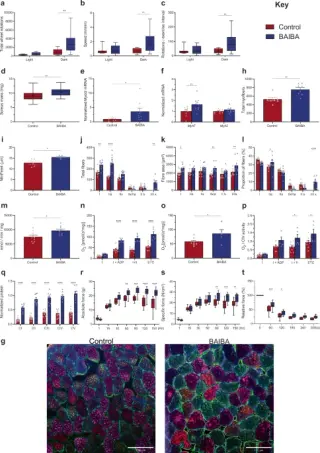
Researchers at the University of Leeds have identified L-β-aminoisobutyric acid (L-BAIBA) as a critical metabolite that mediates skeletal muscle adaptation to exercise. Published in Nature Communications, the study demonstrates that L-BAIBA, produced via the PGC1α-BAIBA-PPARδ axis, enhances muscle fiber remodeling, mitochondrial function, and contractile force in mice. In humans, plasma L-BAIBA levels correlate with aerobic fitness and increase with endurance training. The findings suggest L-BAIBA could serve as a therapeutic target for muscle dysfunction in type 2 diabetes, potentially mimicking exercise benefits in patients unable to train.