Rocky hitchhikers: hardy microbes may shuttle life between planets
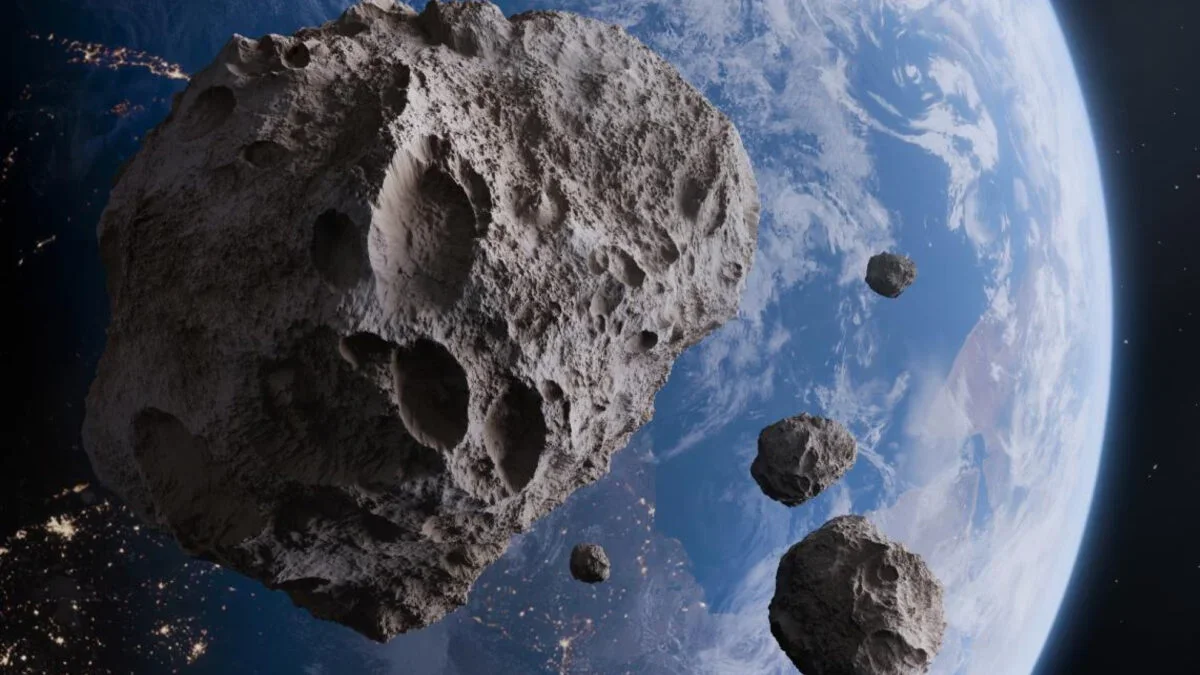
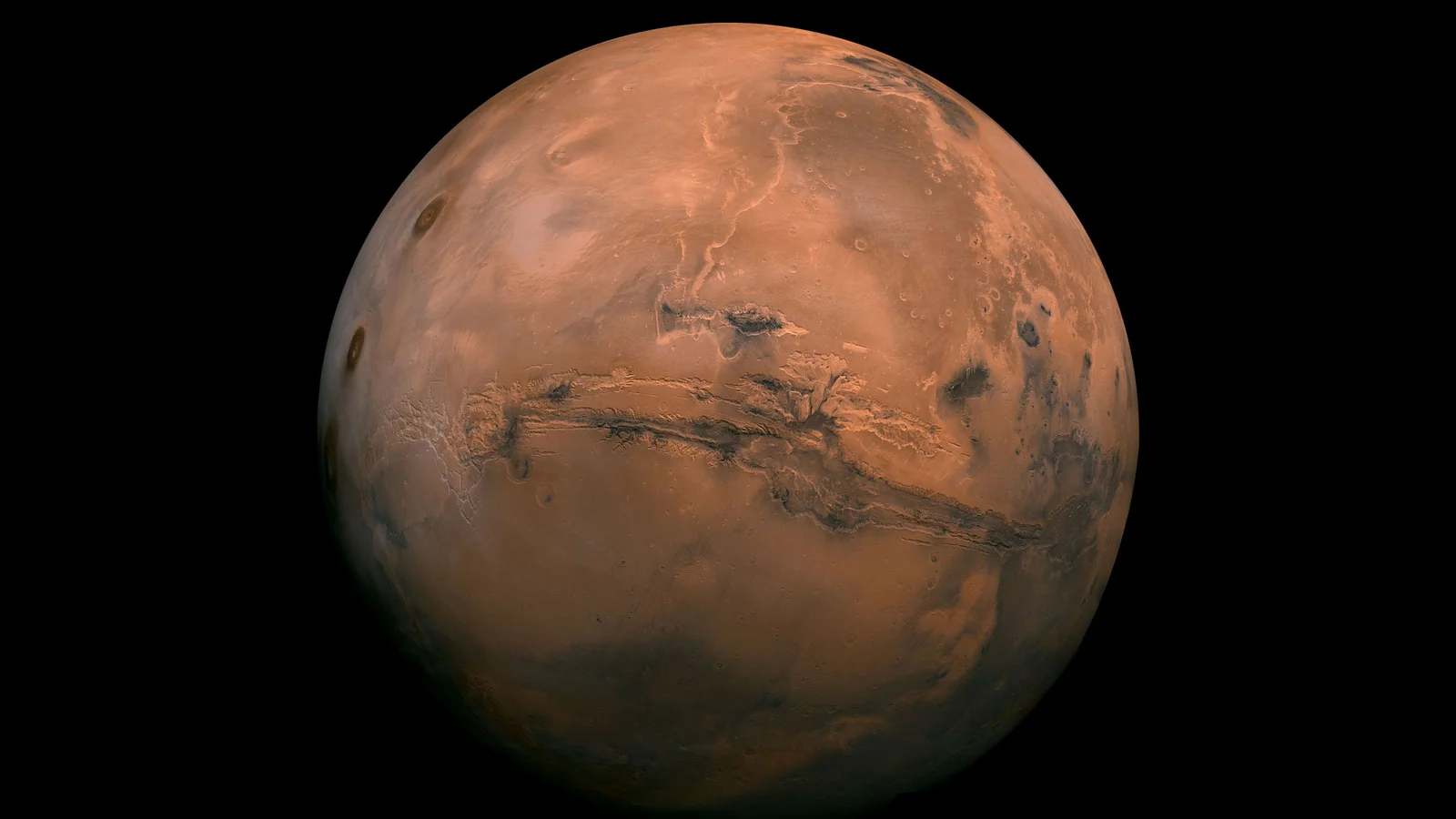
A Johns Hopkins-led study shows the bacterium Deinococcus radiodurans can survive pressures up to about 1.4–2.4 gigapascals from simulated asteroid impacts, lending support to lithopanspermia—the idea that microbes could hitchhike on rock fragments between planets. While not proof that life transferred from Mars to Earth or vice versa, the findings suggest microbes could endure interplanetary transfer, potentially prompting reevaluation of planetary-protection rules.