Tag

Extremophiles

All articles tagged with #extremophiles

Desert Moss Could Kickstart Mars Habitats by Surviving Extreme Dehydration
science21 days ago

Desert Moss Could Kickstart Mars Habitats by Surviving Extreme Dehydration

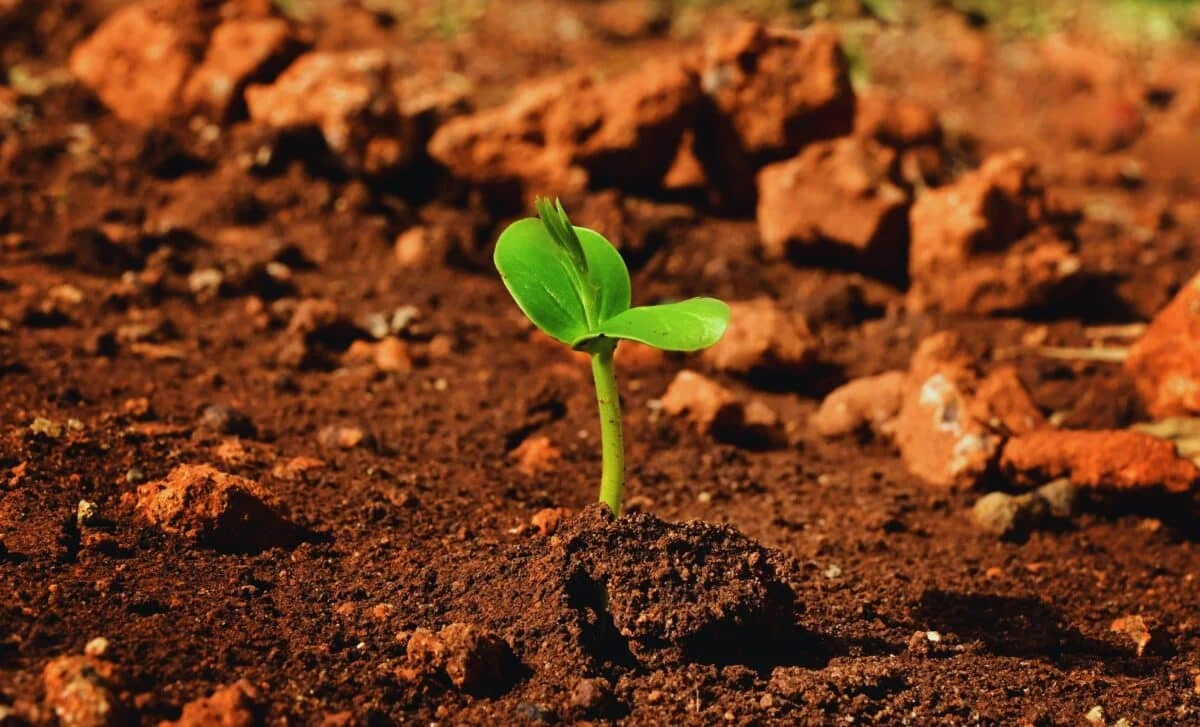
Researchers spotlight Syntrichia caninervis, a desert moss from Earth, as a potential Mars pioneer: it can survive near-total dehydration (losing up to 98% of its water), endure temperatures as low as -196°C, and resist gamma radiation, suggesting it could gradually modify Martian soil and even produce oxygen, with scientists exploring whether such traits could eventually boost crops like wheat for long‑term space missions.

Tiny Nematodes Discovered Living Deep in Great Salt Lake Sediments
science1 month ago

Tiny Nematodes Discovered Living Deep in Great Salt Lake Sediments

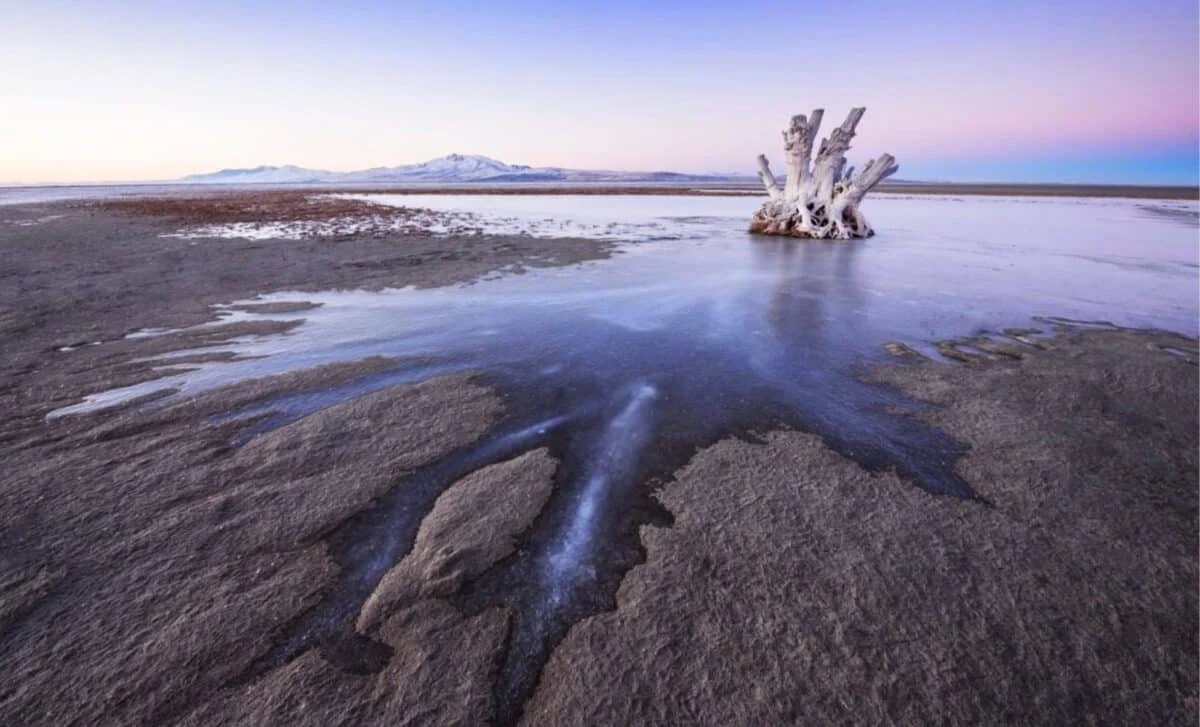
University of Utah researchers report finding microscopic nematodes living in the sediment beneath Great Salt Lake, revealing a hidden layer of biodiversity in this hypersaline environment. Genetic analysis identified multiple nematode species that inhabit lakebed spaces, feeding on bacteria and organic matter to help recycle nutrients and potentially shaping the lake’s microbial ecosystem. The discovery, published in the Journal of Nematology, expands our understanding of life in extreme habitats.

Tiny Life Survives Asteroid-Scale Shock in Lithopanspermia Test
space-and-spaceflight1 month ago

Tiny Life Survives Asteroid-Scale Shock in Lithopanspermia Test

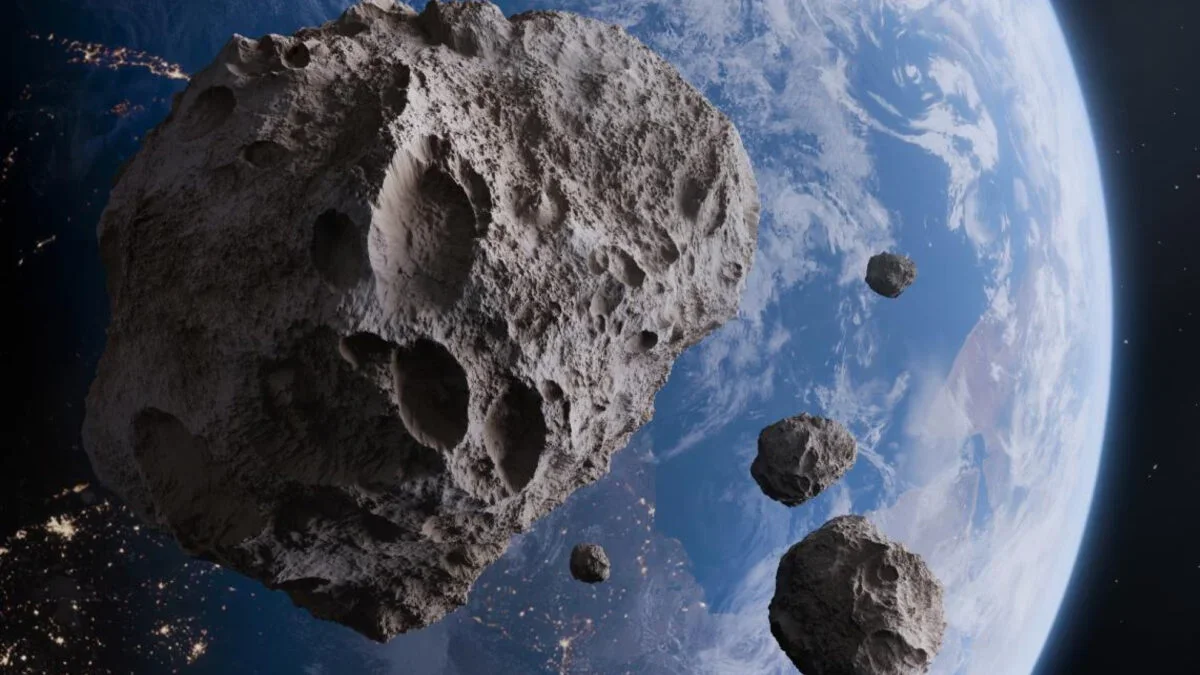
Johns Hopkins researchers simulated the harsh journey life might take on a rock traveling between planets, blasting Deinococcus radiodurans between metal plates at speeds up to 300 mph to mimic asteroid ejection from Mars. The microbes withstood 1–3 gigapascals of pressure, with only some internal damage, while the steel plates failed. The study lends support to the lithopanspermia idea that life could hitch rides on asteroids, but it remains unproven and limited in scope, and it underscores the need for planetary protection and further testing on other extremophiles.

Deep-Sea Archaea Survive Extreme Radiation: A Byproduct of Hydrothermal Vent Life
science1 month ago

Deep-Sea Archaea Survive Extreme Radiation: A Byproduct of Hydrothermal Vent Life

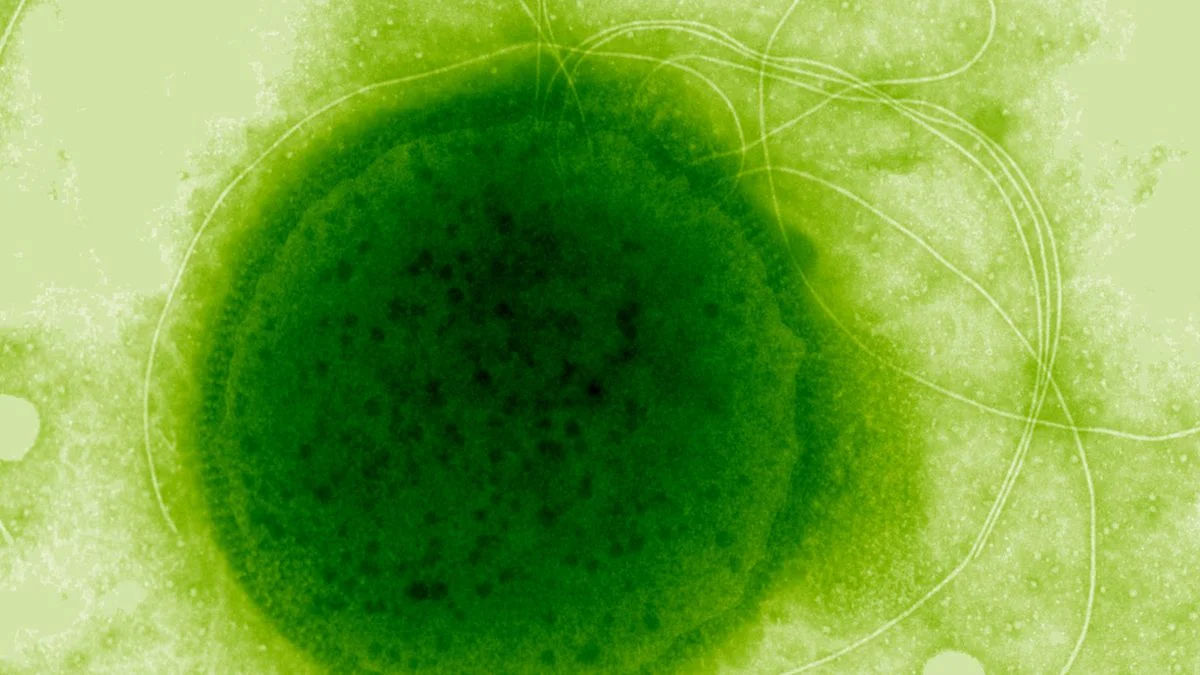
Scientists report Thermococcus gammatolerans, an archaeon living near Guaymas Basin vents, can endure gamma radiation up to 30,000 grays—far more than lethal human doses. Its radiation tolerance isn’t due to extra DNA repair genes but likely arises from the harsh vent environment, which reduces oxidative damage and enables rapid repair, suggesting the trait is a byproduct of hydrothermal-vent life rather than a specialized adaptation.

Air-bubble armor lets alkali fly survive California's caustic Mono Lake
nature1 month ago

Air-bubble armor lets alkali fly survive California's caustic Mono Lake

A BBC Wildlife feature explains how the alkali fly survives the toxic, salty waters of California's Mono Lake by living mostly underwater inside an air bubble, aided by a waxy, water-repellent cuticle; only its eyes touch the liquid, and it feeds on algae with grappling-hook claws, effectively wearing a natural armor for an extreme environment.

Earth's Extremophiles Hint at a More Habitable Mars
science2 months ago

Earth's Extremophiles Hint at a More Habitable Mars

New experiments show two lichen species, Diploschistes muscorum and Cetraria aculeata, can survive Martian-radiation levels in a vacuum chamber, suggesting some Earth extremophiles might endure Mars-like conditions for future missions; however, liquid water remains a major hurdle, while tardigrades and mosses are also highlighted as potential testers for long-term space exploration.

Tardigrades: The Resilient Creatures That Could Safeguard Humanity
science6 months ago

Tardigrades: The Resilient Creatures That Could Safeguard Humanity

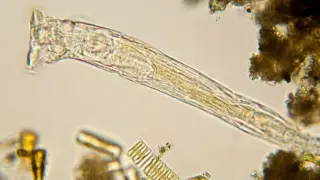
Tardigrades, tiny resilient creatures capable of surviving extreme conditions like space, radiation, and desiccation, are being studied for potential human applications such as protecting against radiation damage, preserving medicines, and aiding space exploration. Their survival mechanisms include specialized proteins and entering a state of suspended animation, offering insights into extreme resilience and biotechnological innovations.

Small Animal's Potential to Aid Human Mars Colonization
science7 months ago

Small Animal's Potential to Aid Human Mars Colonization

Tardigrades, tiny resilient animals, possess unique proteins like Dsup that protect their DNA from extreme radiation and environmental stresses, making them promising models for enhancing human space travel safety and developing resilient crops and medical supplies. Their ability to survive harsh conditions could inform future Mars colonization efforts and biotechnological applications on Earth.

"NASA's Sunscreen Breakthrough: Immortal Bacteria Holds the Key"
science-and-technology2 years ago

"NASA's Sunscreen Breakthrough: Immortal Bacteria Holds the Key"

NASA discovered a resilient bacteria, bacillus pumilus, that survived exposure to cosmic radiation, leading to its use in boosting SPF in sunscreens. The bacteria was discovered by a scientist who decontaminates spacecraft bound for Mars, and its UV resistance is now being leveraged by a Massachusetts-based company, Delavie Sciences, to create a new ingredient for sunscreen. This discovery has led to the development of skincare products and has potential applications in activating skin cells' production of hyaluronic acid. The bacteria's use in sunscreen has shown to increase SPF by 22 to 33 percent, and the company is now exploring other extremophiles for potential commercialization, emphasizing the significant contributions of NASA in this field.

"Discovery of New Species in Great Salt Lake Alters Ecosystem Understanding"
science-and-environment2 years ago

"Discovery of New Species in Great Salt Lake Alters Ecosystem Understanding"

Scientists have discovered a third form of multicellular life, nematodes, in the Great Salt Lake, challenging the long-held belief that only brine shrimp and brine flies inhabited the ultra-saline waters. These worms, found in microbialites on the lake bed, are uniquely adapted to the extreme salinity and may be at risk of disappearing as the lake's water levels decrease due to human usage and climate change. The study highlights the urgent need to understand and protect this unique ecosystem before it collapses completely.