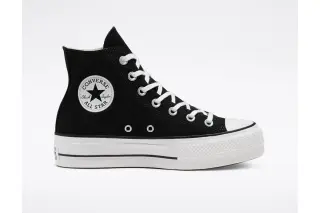
Converse apologized and pulled a Chuck 70 X sneaker ad after online critics said the imagery evoked a KKK hood and lynching; a separate campaign showing sneakers hanging from a tree also resurfaced amid the backlash, and Converse’s owner Nike said they will do better.
Converse apologized after photos from two campaigns drew backlash for resembling Ku Klux Klan hoods and lynching imagery; the company said it removed the images from its channels and would work to remove them everywhere, though one image remained on Threads at the time of reporting. The ads featured Karina of aespa in Chuck 70 X and Run Star Crush sneakers, fueling a broader debate about racism in advertising.
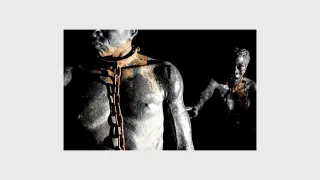
In Montgomery, Alabama, Bryan Stevenson’s Equal Justice Initiative has built the Legacy Museum and the National Memorial for Peace and Justice to confront America’s history of slavery and racial terror. The episode details markers and a county-by-county layout, a Kwame Akoto-Bamfo sculpture, and a water wall that acknowledges thousands more lynching victims than can be documented. Stevenson argues that the nation’s history cannot be erased, that modern racial injustice grows from a dangerous white supremacist narrative, and that truth-telling and repair are essential to moving forward. As the U.S. marks its 250th anniversary, he emphasizes memory, education, and persistent justice work, and frames his American identity as inseparable from the enslaved ancestors who helped build the country.
Two men in Haiti suspected of buying weapons for gangs were lynched by a mob, highlighting the country's escalating gang violence and the challenges faced by the outnumbered police force. The incident occurred in a town near Mirebalais, where the mob seized the men from police custody and killed them despite efforts by the police to intervene. The UN has called for international police assistance to address the "catastrophic" gang violence, which has resulted in a significant increase in deaths and injuries.
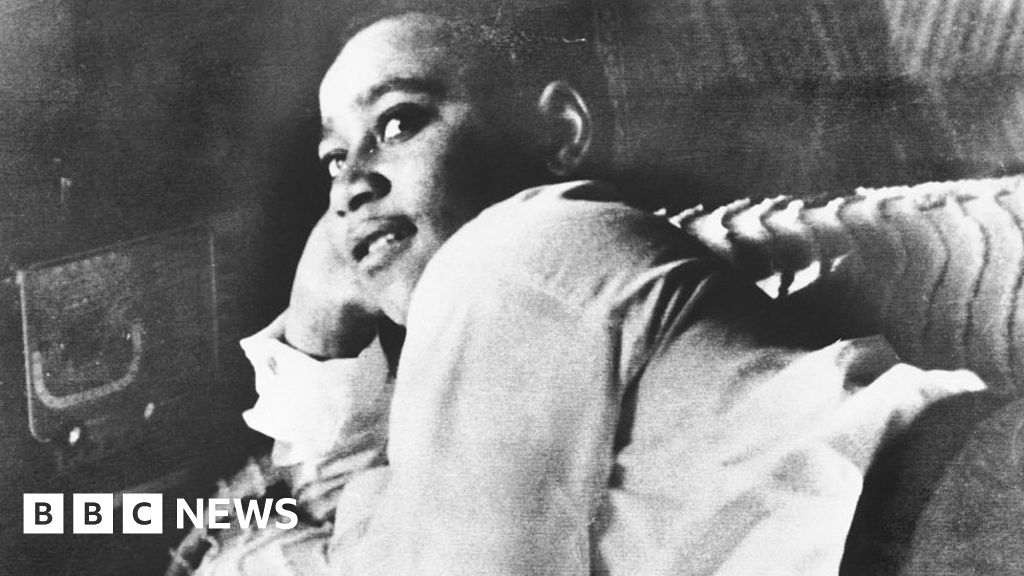
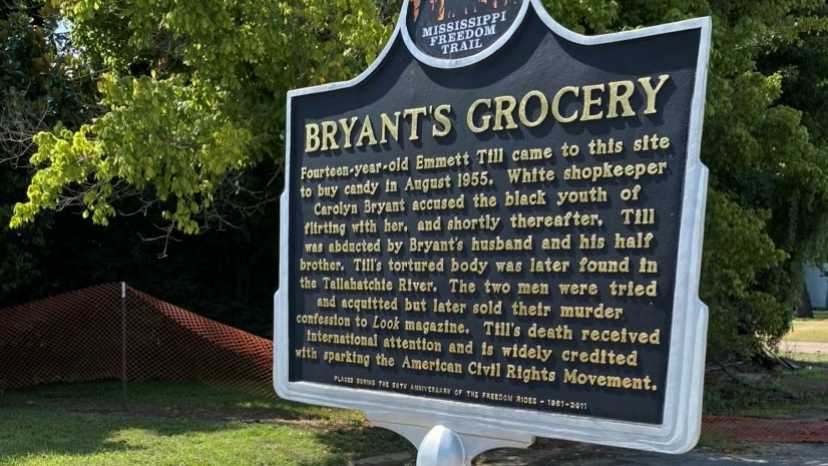
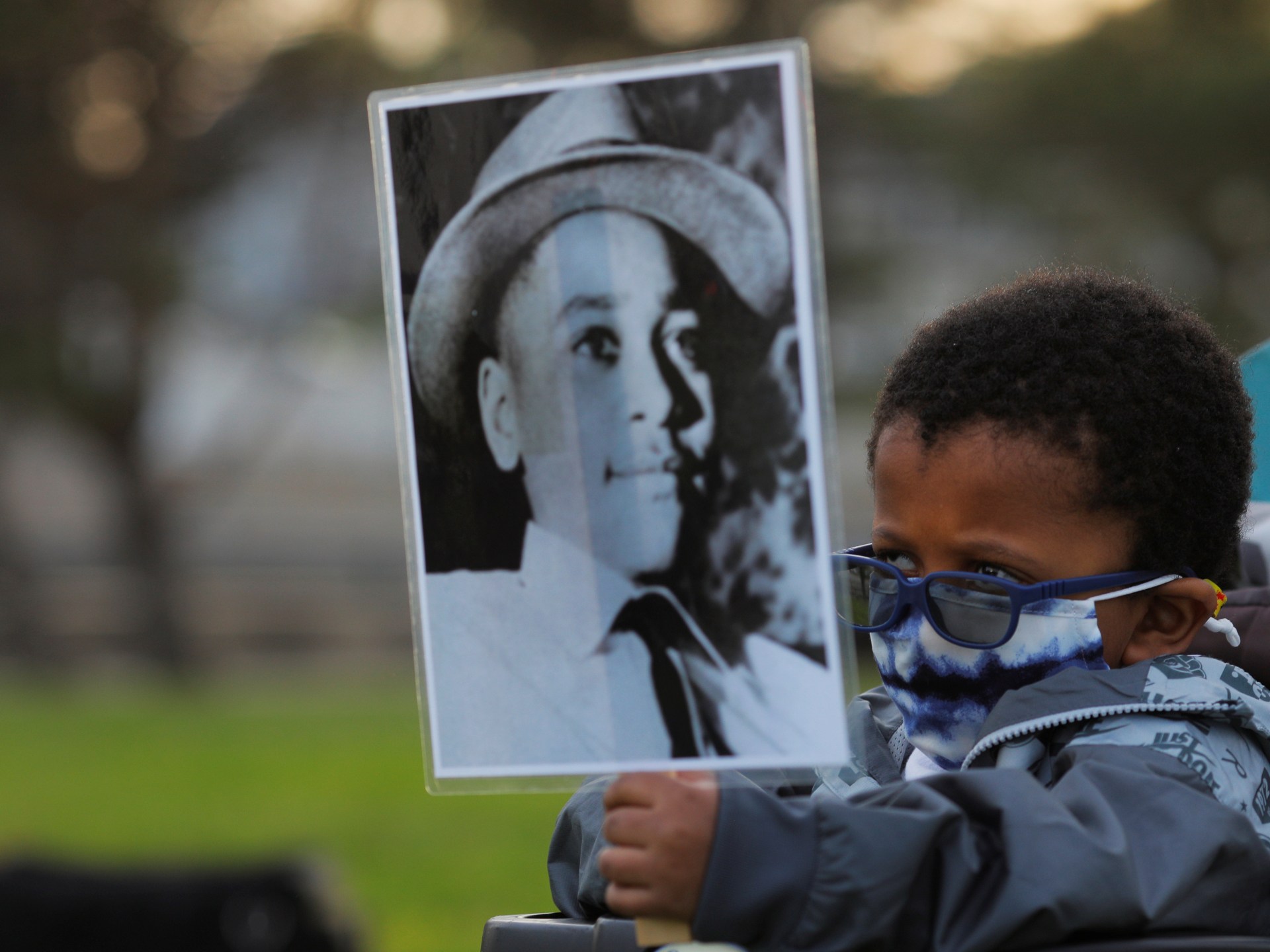
President Joe Biden will establish the Emmett Till and Mamie Till-Mobley National Monument to honor the memory of Emmett Till, a black teenager who was lynched in Mississippi in 1955. The monument will be set up at three sites in Illinois and Mississippi, including the church where Till's funeral took place, the courthouse where his killers were acquitted, and the riverbank where his body was found. This comes a year after Biden signed the Emmett Till Anti-Lynching Act into law, making lynching a federal hate crime offense.
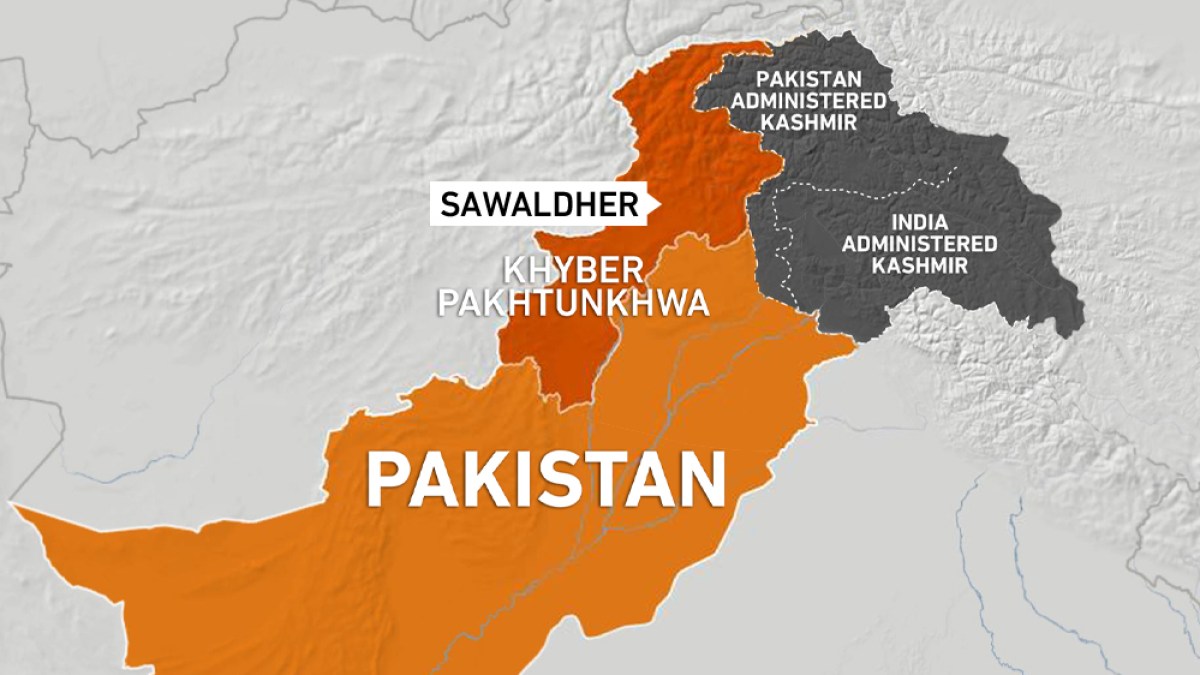
A Muslim religious leader was beaten to death by a crowd after allegedly making blasphemous remarks during an opposition party rally in Pakistan's Khyber Pakhtunkhwa province. Blasphemy is a sensitive issue in Pakistan, where even unproven allegations can stir mobs and violence. Accusations of blasphemy have often been used to intimidate religious minorities and settle personal scores. More than 2,000 people have been accused of committing blasphemy since 1987, and at least 88 people have been killed by mobs after similar allegations.
More remains of Rasheem Carter, a man found dead with his head severed in Smith County, have been found, according to his attorney Ben Crump. Carter's family and attorneys have called for a federal probe into his death, which they have labeled a lynching. The Mississippi Bureau of Investigation and the Smith County Sheriff's Department are also investigating the incident. A protest is scheduled for Saturday to push the investigation forward.
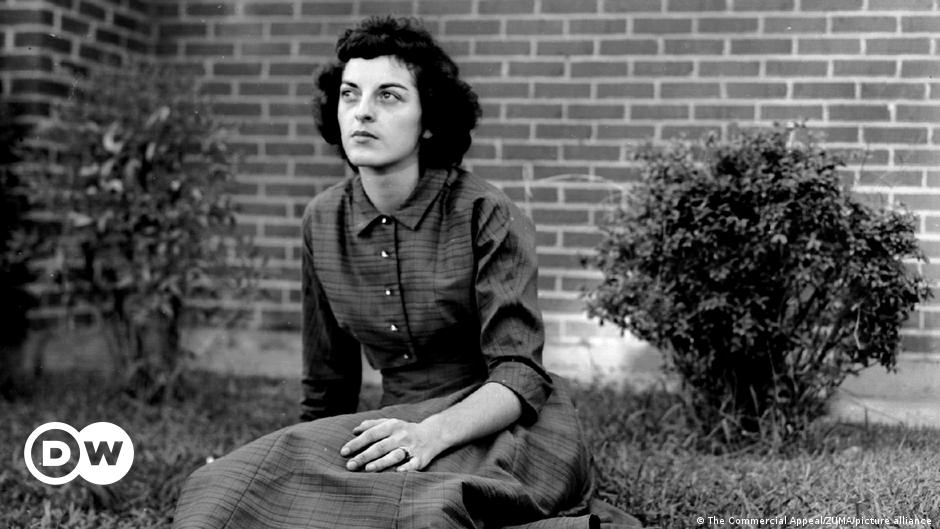
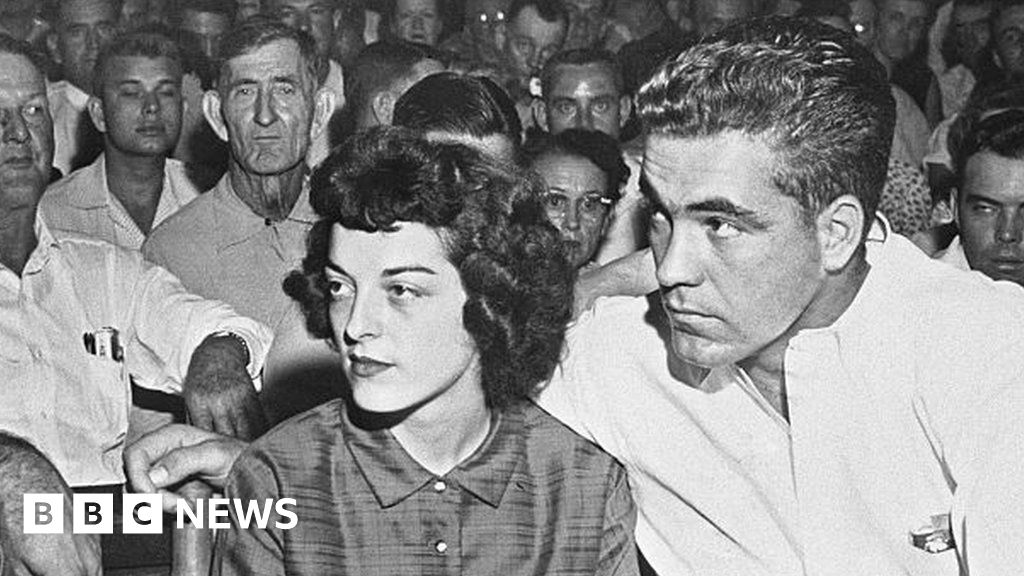
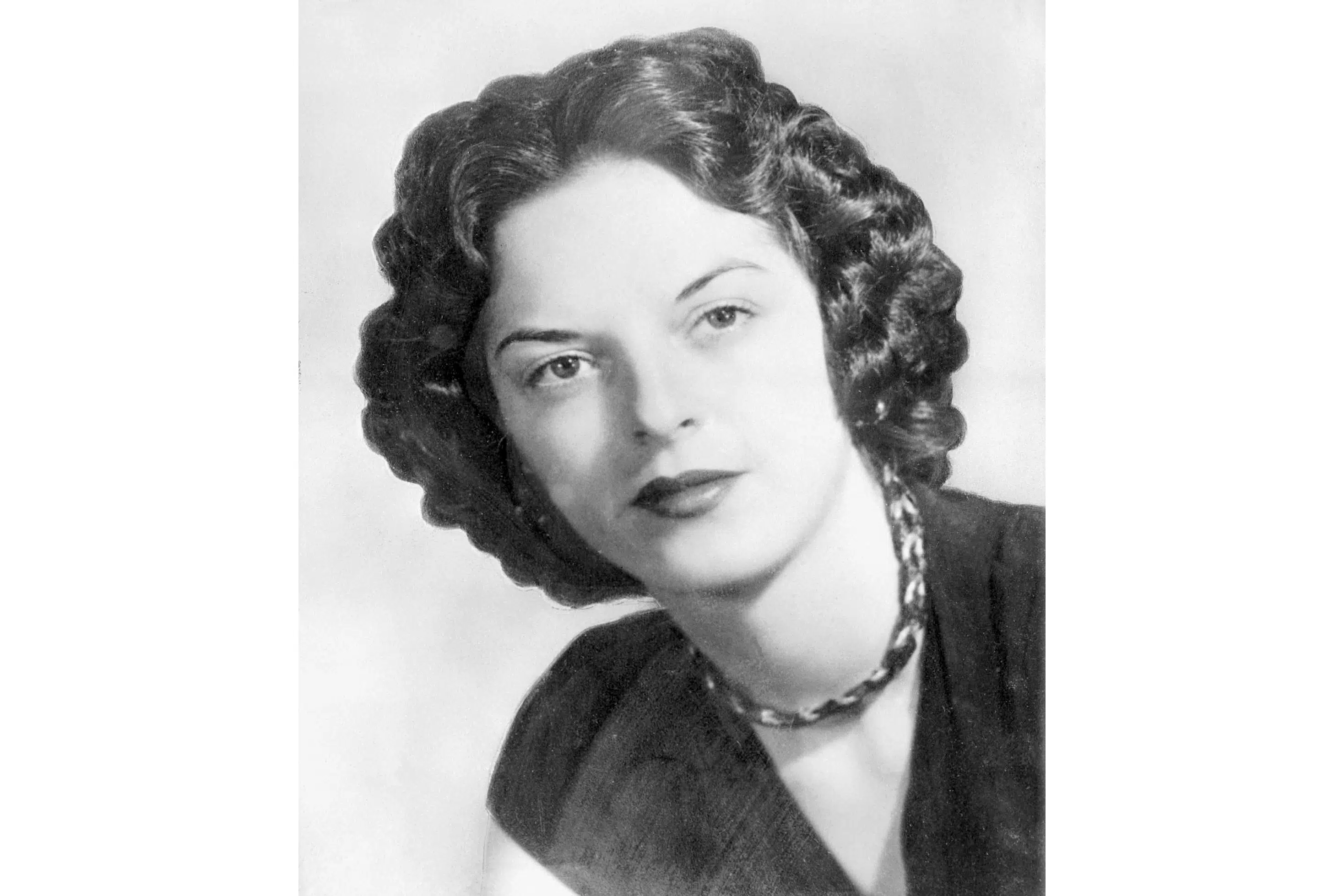
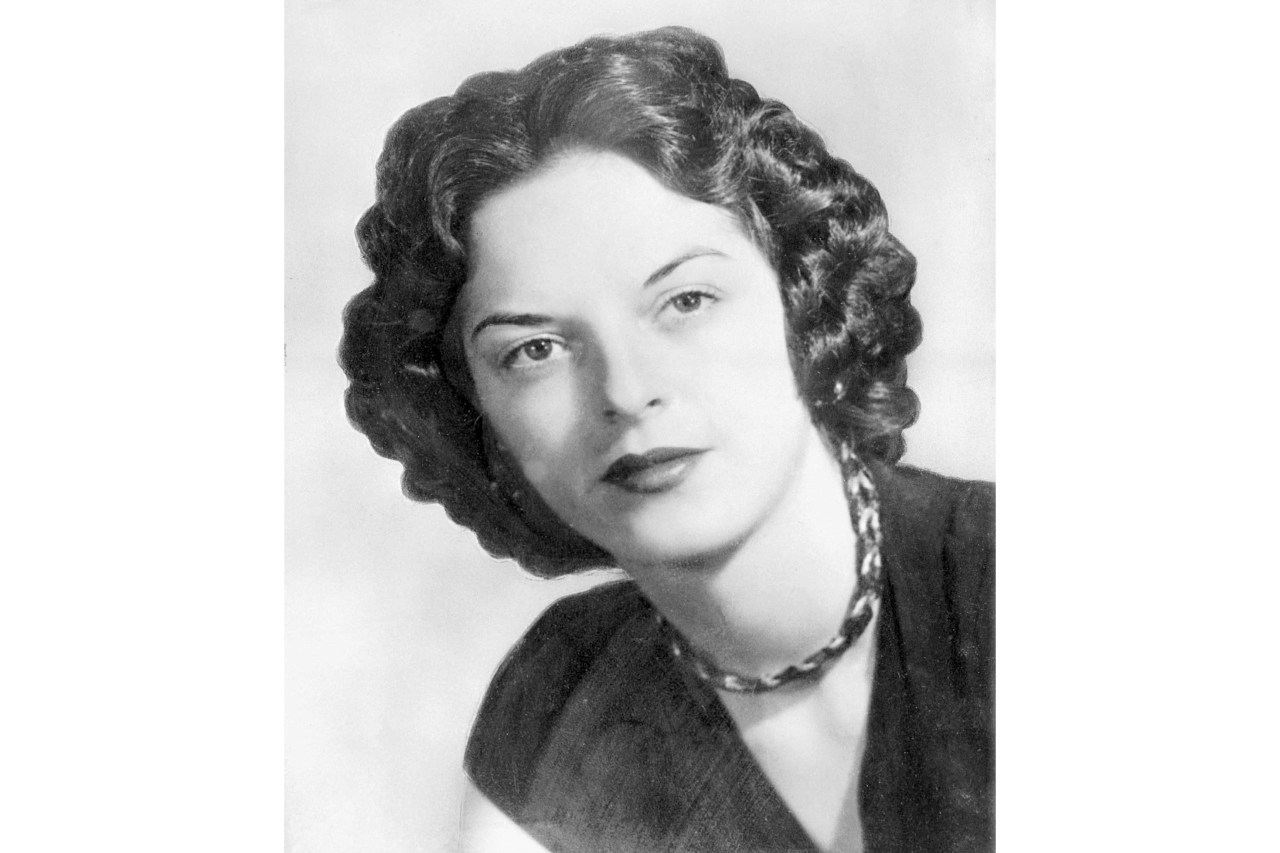
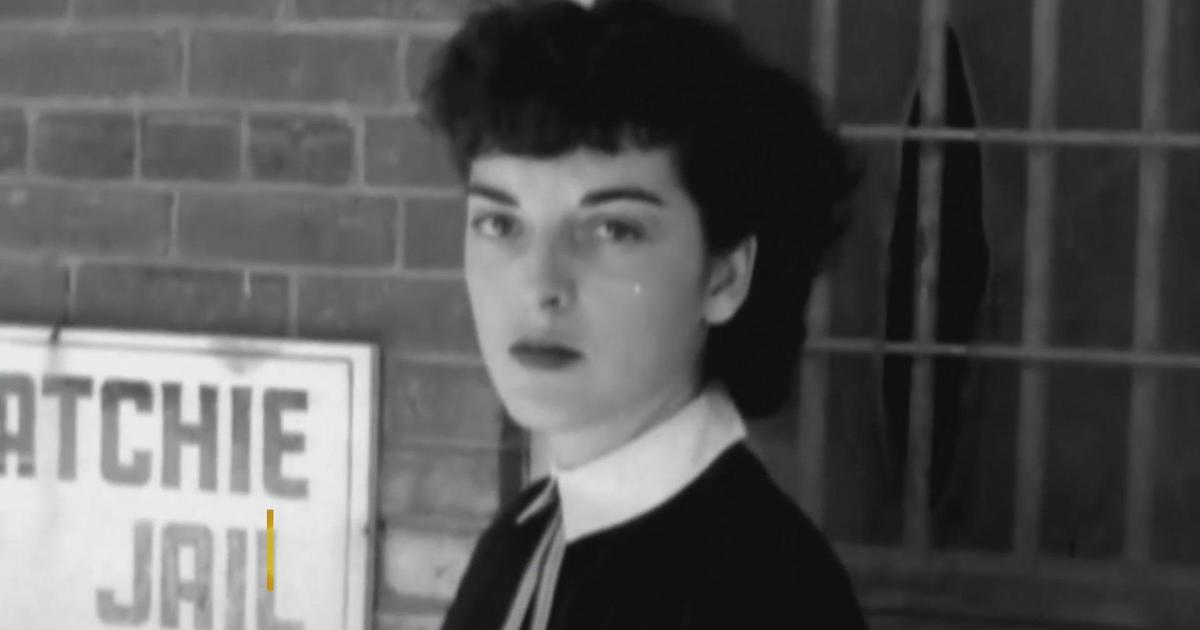
Carolyn Bryant, the woman who falsely accused Emmett Till of grabbing her in 1955, leading to his abduction and lynching, died without recanting her story. Her unpublished memoir doubles down on her disputed story and calls herself a "victim." Emmett's family hoped for over 60 years that Bryant would recant her story while she was still living. Her death leaves Emmett's relatives with a haunting legacy of injustice.
Carolyn Bryant Donham, the white woman whose claims led to the murder of Black teenager Emmett Till in 1955, has died at the age of 88. Donham's role in the lynching and murder of Till prompted calls for authorities to reopen the case, but the most recent probe in 2021 saw no charges filed against her. Donham's death marks the last chance for anyone to be held accountable for Till's kidnapping and murder, which spurred on the civil rights movement in the US.
Carolyn Bryant Donham, the woman at the center of the Emmett Till case, has died in Louisiana at the age of 88 after battling cancer. In a 99-page manuscript, Donham denied wanting the 14-year-old Till to be killed. Till was lynched in 1955 in Money, Mississippi, after Donham accused him of whistling at her. Despite calls from Till's family to prosecute Donham, a Leflore County grand jury determined last year that there wasn't sufficient evidence to indict her on charges of kidnapping and manslaughter.
Carolyn Bryant Donham, the white woman whose false accusation against Emmett Till, a black teenager, led to his lynching in 1955, has died at the age of 88. Prosecutors had sought charges against her for Till's killing until the year before her death, but failed to convince a grand jury to put her on trial for kidnapping and manslaughter. Donham never took responsibility for her role in Till's murder, and her death closes a chapter on one of the most infamous lynchings in US history.
Carolyn Bryant Donham, the white woman who falsely accused Black teenager Emmett Till of accosting her in Mississippi in 1955, leading to his lynching and galvanizing the Civil Rights Movement, has died at 88. Till's murder remains unpunished, as an all-white jury acquitted the two white men who killed him. Donham's precise role in the killing remains murky, but it's clear she was involved. Last year, President Joe Biden signed the Emmett Till Anti-Lynching Act to make lynching a federal crime.
Carolyn Bryant Donham, the white woman who falsely accused Black teenager Emmett Till of accosting her in Mississippi in 1955, leading to his lynching and galvanizing the Civil Rights Movement, has died at 88. Her death marks the last chance for anyone to be held accountable for the kidnapping and murder. Till's cousin filed a federal lawsuit against the current Leflore County Sheriff, seeking to compel him to serve the 1955 warrant on Donham, but the grand jury declined to indict her last year.
Carolyn Bryant Donham, the White woman whose accusation set off Emmett Till's lynching, has died at the age of 88. Donham had accused Till of grabbing her while she worked alone in her family store in Money, Mississippi, leading to his abduction and lynching. In 2022, a grand jury in Mississippi declined to prosecute Donham for her role in the events that led to Till's death. Till's cousin called for accountability in overcoming racial injustice.
Carolyn Bryant Donham, the white woman who accused Black teenager Emmett Till of making improper advances before he was lynched in Mississippi in 1955, has died at the age of 88. Till's kidnapping and killing became a catalyst for the US civil rights movement. Donham's precise role in the killing of Till remains murky, but it is clear she was involved. Despite the discovery of an unserved arrest warrant on Donham, Mississippi Attorney General Lynn Fitch said there was no new evidence to pursue a criminal case against her.