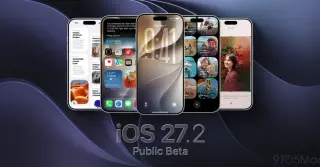
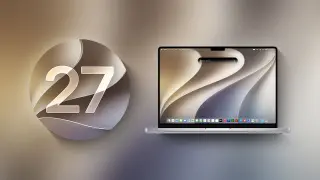
Apple released the second public beta of iOS 27.2 on October 6, 2026, featuring a redesigned Health app, expanded Siri languages, and Apple TV profile support. The update follows the September 14 launch of iOS 27 and precedes the official iOS 27.2 release later this month.
Apple released the third developer betas for iOS 27.2 and macOS Golden Gate 27.2 on October 5, 2026. The updates introduce a new Apple Music logo, Liquid Glass design tweaks for Apple Books, and code hints for a touchscreen MacBook Pro. A public beta followed on October 6, with a final release expected by month's end.
Apple released macOS 27.0.1 on September 28, 2026, as the first update to the Golden Gate operating system. The patch addresses unspecified bugs and is available via System Settings. Apple simultaneously issued security updates for macOS 26.7.1 and 15.8.1. This update supports only Apple Silicon Macs, marking the end of support for Intel-based devices.
Apple released the first public betas for iOS 27.2, iPadOS 27.2, macOS Golden Gate 27.2, tvOS 27.2, and watchOS 27.2 on September 22, 2026, one day after developer builds. The update introduces a redesigned Health app with Insights and Longevity tabs, expands Siri AI language support, and adds new CarPlay Ultra themes. Users can install the betas via the Software Update section in Settings after signing up on Apple's beta testing website.
Apple has released the second beta of macOS Golden Gate 27.2 to registered developers, following last week's beta, and the update adds Siri AI in new languages with a launch expected toward the end of October.
Apple releases iOS 27 and iPadOS 27 with Siri AI; macOS Golden Gate 27 lands with Siri AI, Visual Intelligence and a refreshed Liquid Glass design. A Siri AI waitlist remains in effect, iOS 27.2 beta debuts with Health app changes, and iCloud+ now includes Apple TV and Apple Arcade in over 100 countries (excluding the US, Canada, Australia, the UK and parts of Europe).
Apple's macOS 27 Golden Gate adds about 50 features across Siri AI, the system UI, and apps—from a Spotlight-powered, conversational Siri experience and new visual refinements to full‑resolution Shared Albums, resizable iPhone Mirroring windows, real-time widgets, and smarter organization in Finder and Mail. It also brings Photos editing boosts (save video frames, reframing, image extension), a dedicated Siri app for past conversations, natural-language shortcuts and reminders, enhanced Safari workflows, and broader Apple Intelligence integration. Intel Rosetta support ends in this release, and some features vary by language/region with Apple emphasizing AI availability and performance improvements across the Mac ecosystem.
Apple's macOS Golden Gate launches for Macs with M1/M2 chips (including the A18 Pro MacBook Neo) and introduces Siri AI and Visual Intelligence, plus Write with Siri, iPhone mirroring, AI-assisted Shortcuts, Safari Describe Extension-based AI extensions, intelligent tab grouping and webpage monitoring, and broad performance and UI refinements across core apps and system components.
Apple today released macOS Golden Gate 27 for Apple silicon Macs via Software Update, bringing Siri AI with a dedicated app and Spotlight integration, Visual Intelligence for onscreen actions, and a refreshed Liquid Glass design. It also adds enhanced photo editing (Spatial Reframing, Extend, improved Infill), Safari features like topic-based tab grouping, Notify Me, and Describe an Extension, plus natural-language Shortcuts, stronger parental controls, and overall performance improvements and faster file transfers.
Private iOS 27 and macOS Golden Gate frameworks reveal Apple’s Siri architecture designed to work with third‑party AI models via a Model Delegation system, enabling Claude or GPT‑like apps to function as Siri extensions and even replace Siri’s server model. Demonstrations show Claude handling tasks Siri can’t (like CSV creation) and ChatGPT using Siri’s prompts and tool definitions to perform actions, with EU Digital Markets Act cited as a factor pushing interoperability. The features aren’t public yet (Claude isn’t available and model delegation isn’t open to third parties).
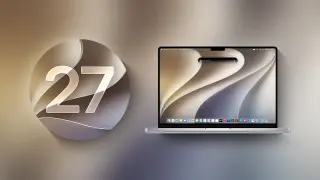
Apple announced that macOS 27 Golden Gate will be released to all compatible Macs on September 14, alongside iOS 27, iPadOS 27, watchOS 27, tvOS 27, and visionOS 27. The update, which includes Siri AI and design/performance enhancements, supports Macs with Apple Silicon (M1 and newer). macOS Tahoe remains the last Intel-based macOS, with Intel Macs continuing to receive security updates for three years; Golden Gate will still run Intel apps on Apple Silicon via Rosetta, marking the final major macOS release to include the full Rosetta translation layer.
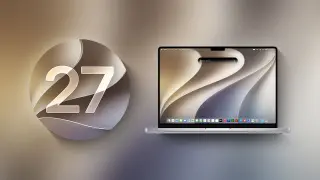
The macOS Golden Gate beta highlights a glassy Liquid Glass interface on OLED HDR displays, fueling speculation that Apple is preparing an OLED MacBook Pro/Ultra lineup expected by early 2027 and updating macOS accordingly.
Apple released the sixth public betas for iOS 27, iPadOS 27, macOS Golden Gate, and tvOS 27, following the fifth betas and near-simultaneous developer builds. The betas can be downloaded by signing up on Apple’s beta site and updating via Settings. No notable new features were found, and Apple is expected to roll out release candidate versions next week ahead of its September 9 iPhone event.
Apple has released macOS Golden Gate Beta 8 for developers, bringing a UI refresh (Liquid Glass opacity, transparency slider, fewer menu icons, uniform toolbars, edge-to-edge sidebars) and a Siri AI overhaul with Spotlight integration, a new Siri app, and customizable voices, plus Visual Intelligence, Write with Siri, and AI photo editing in Photos. It also adds AI-driven organization in Safari, automatic weak-password updates in Passwords, and a revamped Image Playground. Developers can download it by going to System Settings > General > Software Update; beta updates require enabling and a free developer account.
Apple’s new Mac mini and Mac Studio are slated to ship with macOS Golden Gate (macOS 27), including Siri AI and Apple Intelligence features, with evidence from official product pages and FCC filings and a September 22 launch timeframe.