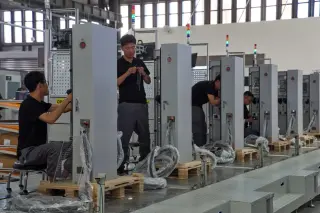
China rejected accusations of excess industrial capacity and argued the issue is overstated, even as the United States signals additional tariff increases, underscoring ongoing tensions in global trade and industrial policy.
Novo Nordisk and Eli Lilly are racing to meet the high demand for their weight-loss drugs, Ozempic and Mounjaro, by investing heavily in manufacturing capacity. Novo Nordisk's unorthodox strategy involves acquiring Catalent, a contract manufacturer that serves the pharmaceutical industry, including Eli Lilly. Both companies are facing challenges in keeping up with demand, leading to customer frustration and shortages. The dueling medications, known as GLP-1 drugs, have the potential to become the biggest-selling class of all time, with annual sales projected to exceed $100 billion. Despite the manufacturing challenges, both companies are seeing significant financial success from their top-selling drugs.
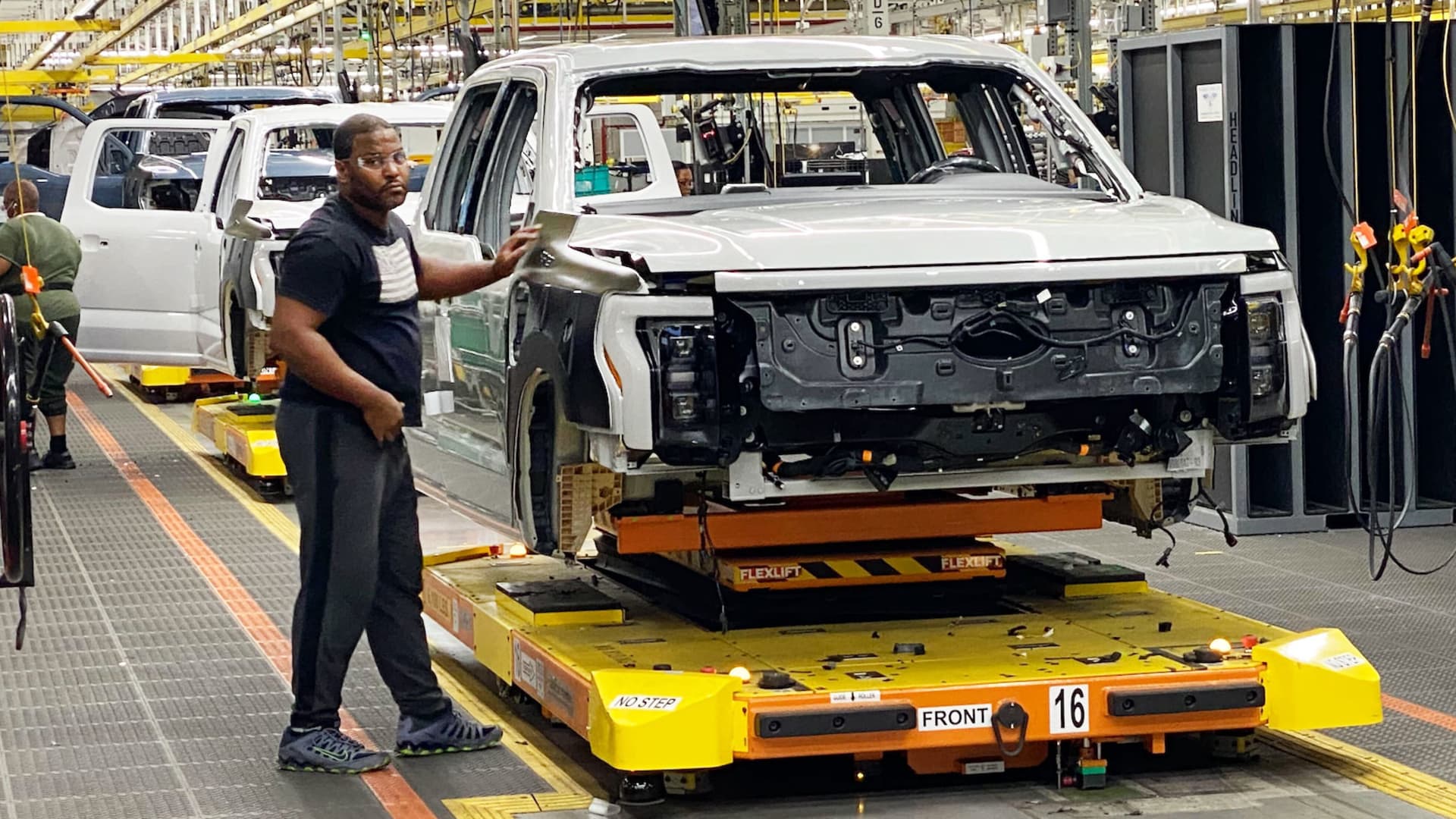
Ford is postponing approximately $12 billion in planned spending on new electric vehicle (EV) manufacturing capacity due to customers' reluctance to pay a premium for EVs over internal-combustion or hybrid alternatives. While Ford's EV sales are growing, they are not meeting the company's expectations. Ford executives clarified that they are not cutting back on spending for future EV models but will gradually ramp up EV manufacturing capacity. The construction of Ford's new EV manufacturing campus in Tennessee will continue as planned, but the second battery plant in Kentucky will be postponed. Ford's electric-vehicle business unit, Ford Model e, reported a $1.3 billion operating loss in the third quarter of 2023, double the previous year's loss, despite a revenue increase.
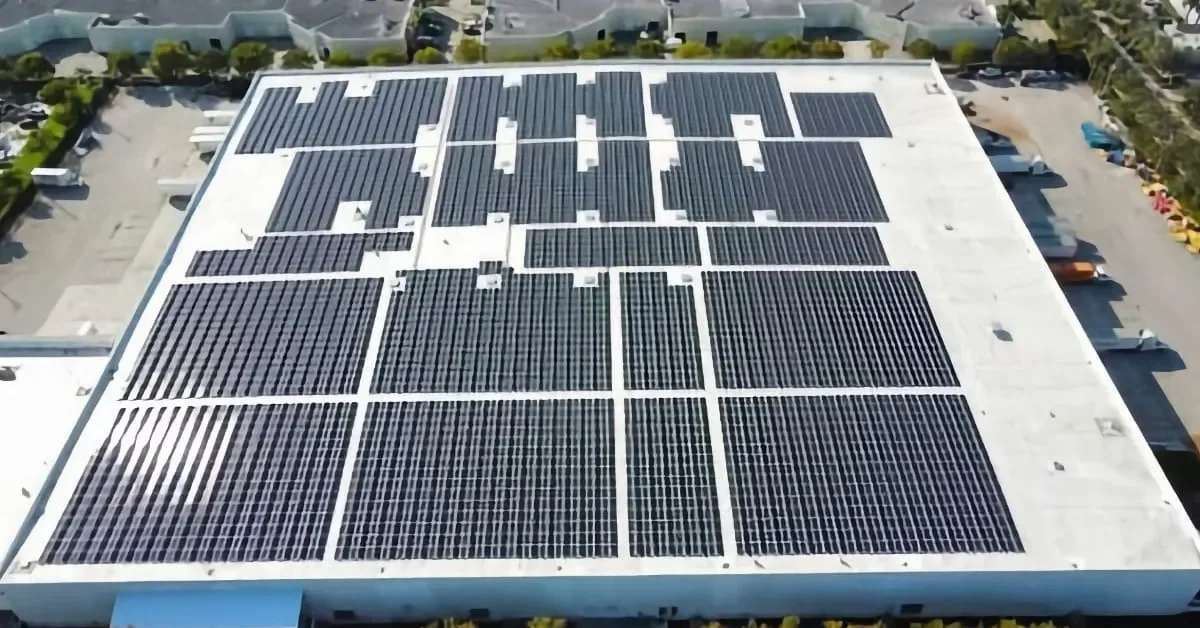
Since the passage of the Inflation Reduction Act (IRA) a year ago, solar and storage companies in the US have announced over $100 billion in private sector investments, with 51 solar factories being announced or expanded. These factories will invest nearly $20 billion and add 155 gigawatts (GW) of new production capacity across the solar supply chain. The announcements include significant capacity for solar panels, cells, silicon ingots and wafers, and inverters. The solar factories are expected to employ over 20,000 Americans and will increase the US manufacturing capacity by over 17 times by 2026. Additionally, 65 GWh of battery storage manufacturing capacity has been announced, along with the deployment of over 3 GW of new large-scale energy storage projects in the past year. The surge in demand for American-made clean energy is attributed to the clean energy incentives enacted by Congress.