pharmaceuticals21.45 min read
VKTX Stock Soars 38% as VK2735 Maintains Weight-Loss with Less-Frequent Dosing
18 days ago•Source: Yahoo Finance

The latest pharmaceuticals stories, each synthesized from multiple sources with added background and context.

The race to develop oral GLP-1 receptor (GLP-1R) drugs for obesity is intensifying, with four products currently in Phase III trials. This market, projected to exceed $126 billion by 2030, is dominated by Novo Nordisk and Eli Lilly, who are transitioning from successful injectable treatments to oral alternatives. Novo Nordisk's Rybelsus and NN-9932, along with Eli Lilly's orforglipron calcium, are leading candidates, while Jiangsu Hengrui's HRS-953 represents a new entrant. The demand for effective obesity treatments is driven by rising global obesity rates.

The Telegraph•2 years ago
Seeking Alpha•2 years ago
Viking Therapeutics' latest weight loss drug trial showed greater efficacy compared to competitors Eli Lilly and Company and Novo Nordisk A/S, positioning the company as a potential acquisition target. The phase II trial demonstrated up to 15% body weight loss with comparable side effects, setting the stage for phase III trials to confirm the results. Despite potential competition from other candidates, the development presents an interesting opportunity in the pharmaceutical industry, particularly for companies like Lilly.

Novo Nordisk and Eli Lilly are racing to meet the high demand for their weight-loss drugs, Ozempic and Mounjaro, by investing heavily in manufacturing capacity. Novo Nordisk's unorthodox strategy involves acquiring Catalent, a contract manufacturer that serves the pharmaceutical industry, including Eli Lilly. Both companies are facing challenges in keeping up with demand, leading to customer frustration and shortages. The dueling medications, known as GLP-1 drugs, have the potential to become the biggest-selling class of all time, with annual sales projected to exceed $100 billion. Despite the manufacturing challenges, both companies are seeing significant financial success from their top-selling drugs.
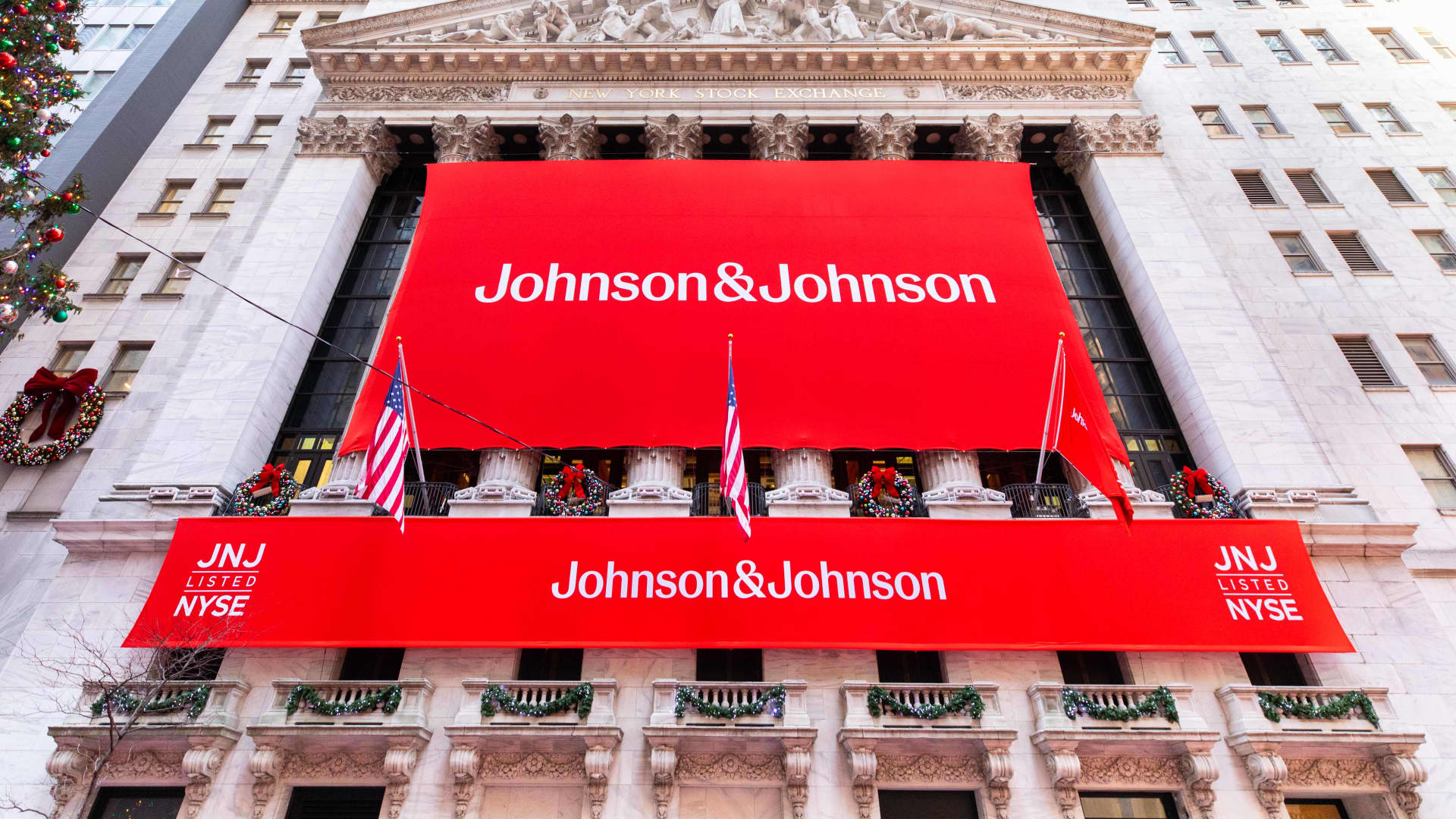
Big pharmaceutical companies like J&J, Merck, and Bristol Myers Squibb are facing a significant revenue threat as patents for their blockbuster drugs expire, allowing competitors to sell cheaper copycats. This could result in tens of billions of dollars in lost sales by 2030. Companies are preparing to offset these losses by building drug pipelines, making acquisitions, and entering partnerships. The looming patent cliffs and potential Medicare drug price negotiations pose challenges, but companies are exploring strategies such as developing new drug formulations and settling lawsuits to delay competition and extend patent protections.
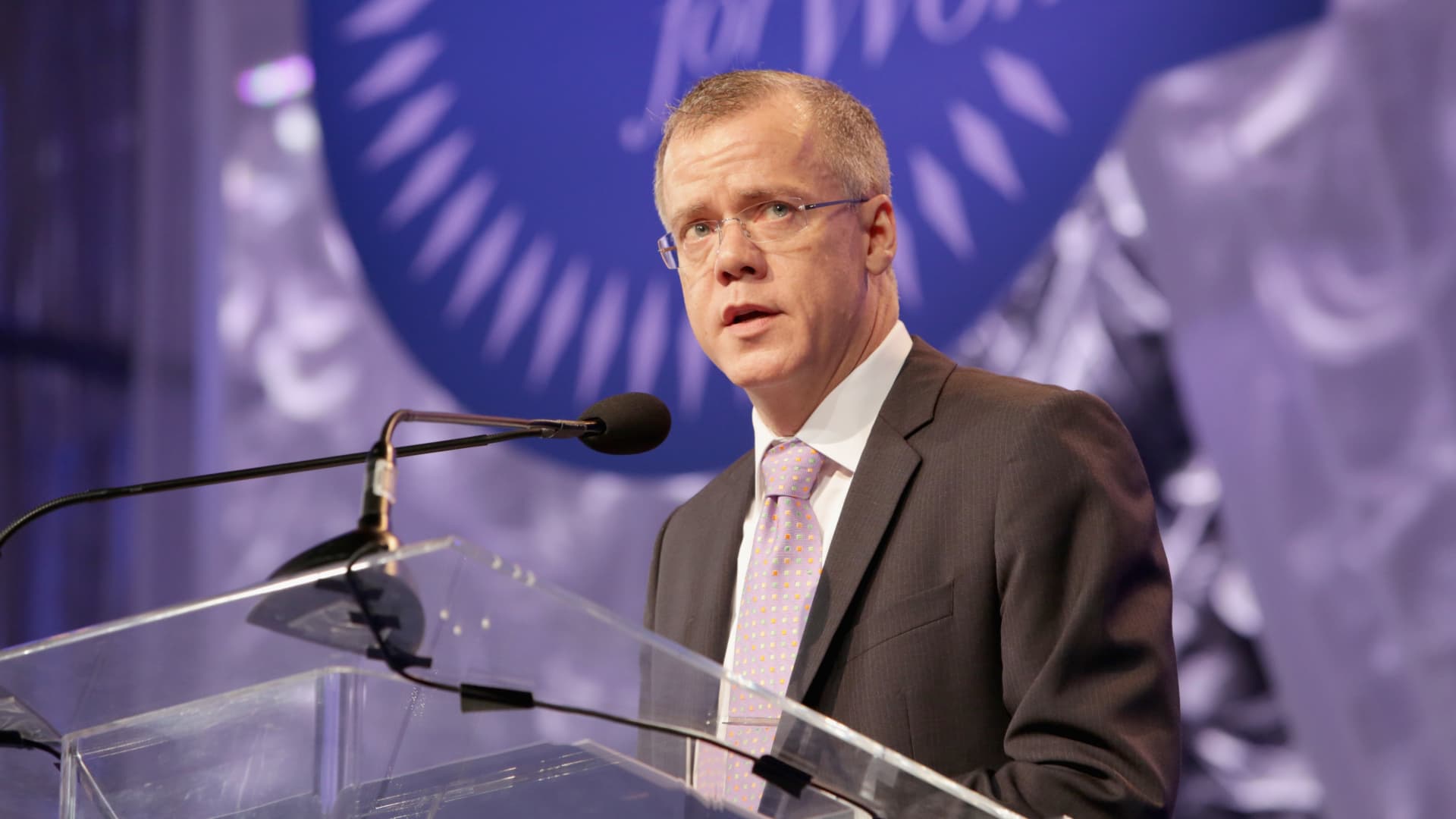
Bristol-Myers Squibb CEO Chris Boerner discussed the company's recent acquisitions, emphasizing a transformative phase and the infusion of innovation. The pharmaceutical giant plans to acquire RayzeBio, Mirati Therapeutics, and Karuna Therapeutics, with a focus on advancing cancer drugs and neuropsychiatric medications. Boerner highlighted the potential of Karuna's new medication, KarXT, in treating schizophrenia and psychosis in Alzheimer's patients, citing its efficacy and reduced side effects.
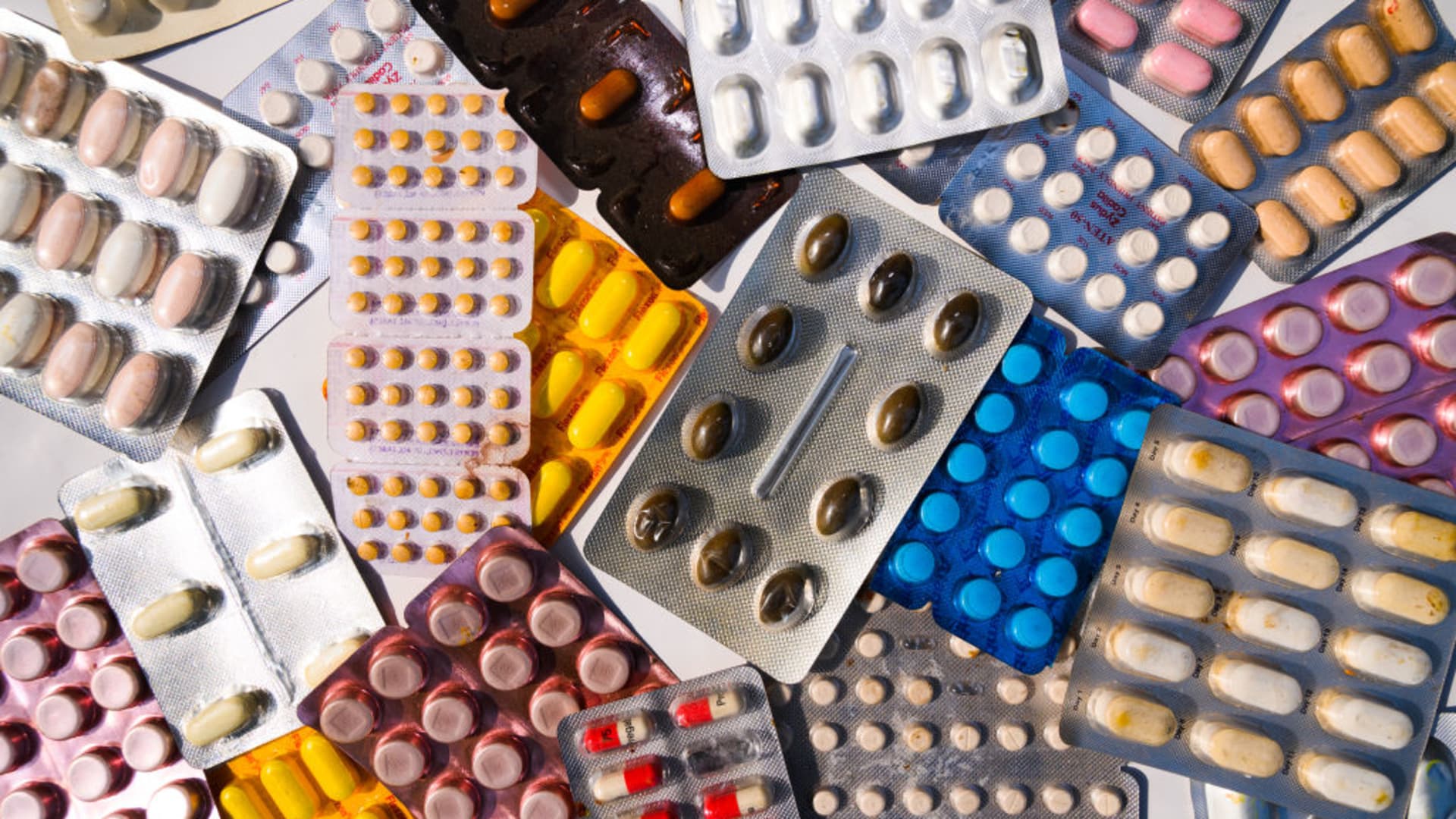
In 2023, the pharmaceutical industry achieved significant milestones, including the rise of weight loss drugs as a lucrative market, the approval of the first drug to slow the progression of Alzheimer's disease, the rollout of the world's first vaccines against respiratory syncytial virus (RSV), and the approval of the first-ever gene-editing therapy for sickle cell disease. However, the demand for Covid vaccines and treatments declined, causing a financial burden on the industry. Additionally, the controversial Medicare drug price negotiations began, aiming to reduce prescription drug costs but facing opposition from pharmaceutical companies.
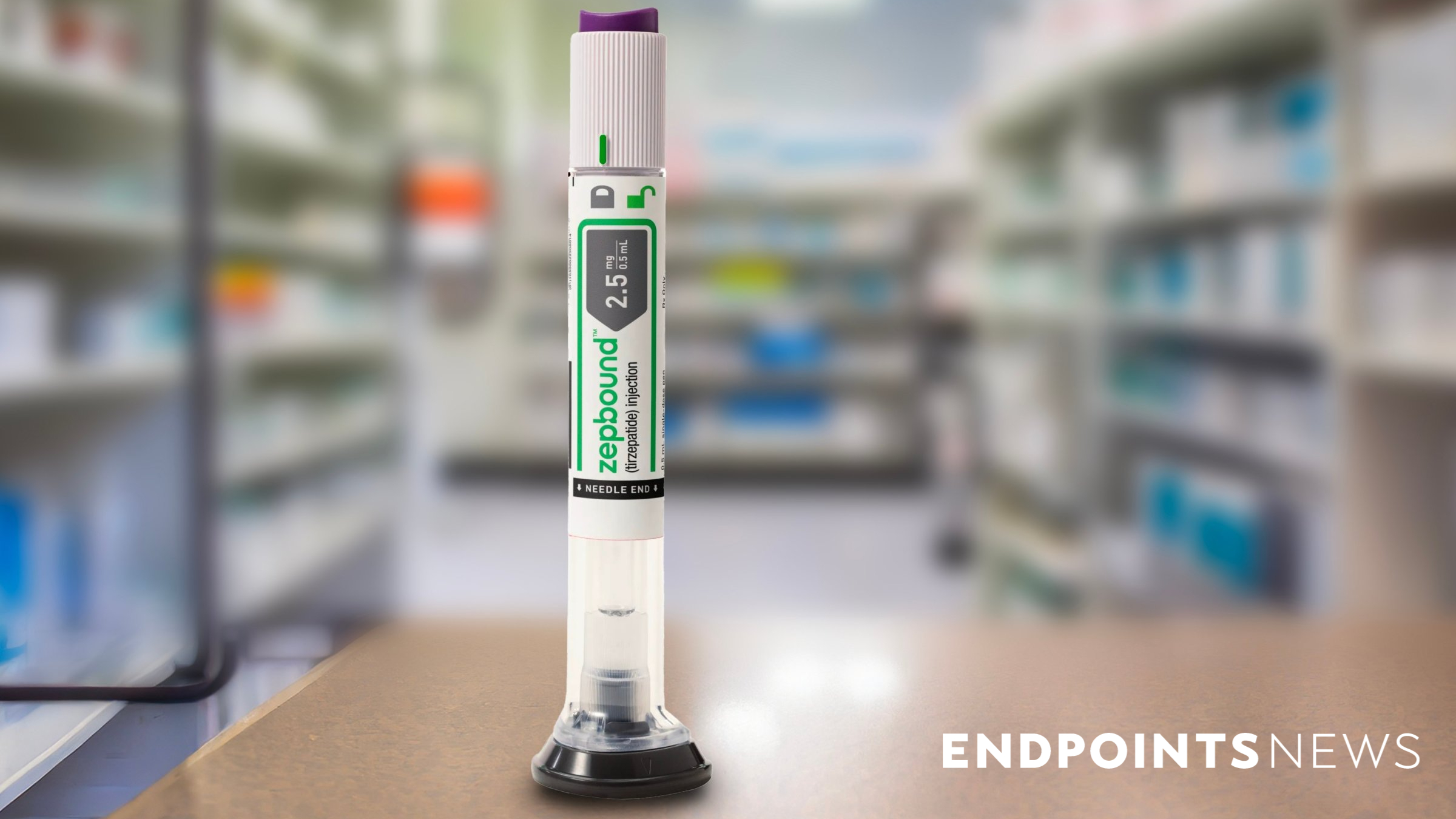
Eli Lilly's weight loss drug, Zepbound, has gained significant attention and media coverage since its FDA approval in November. The drug's availability in pharmacies has sparked further interest, fueled by discussions on social media about GLP-1s and off-label use of similar treatments.
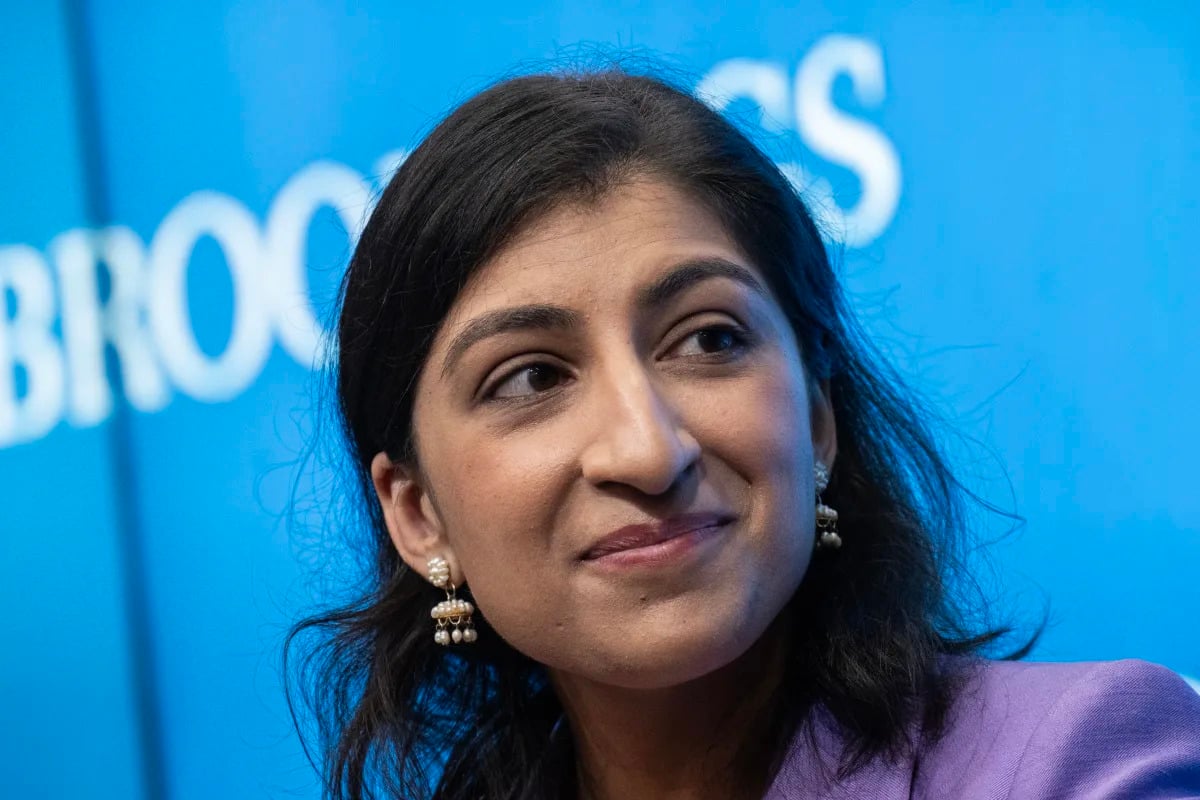
The pharmaceutical industry is facing a three-front battle with the Federal Trade Commission (FTC), Medicare, and the White House. The FTC is scrutinizing drug company deals to slow down growing monopolies in the pharma business. The White House is considering licensing drugs developed with federal funding to reduce costs, which has raised concerns about intellectual property rights. Medicare is targeting 10 drugs for price negotiations, leading to lawsuits from pharmaceutical companies. Experts believe that while these actions may send a message to the industry, the long-term odds of success are not great, and the legal system may ultimately decide the outcome.
Despite a significant increase in its share price driven by strong sales of its diabetes drug Mounjaro and potential regulatory approval for Alzheimer's treatment donanemab, Eli Lilly is facing challenges in the long term. The hype around weight-loss drugs is declining, and competitors' drugs are showing higher weight-loss rates. This could negatively impact sales of Eli Lilly's diabetes medicines. The company's high valuation compared to competitors and its lowered earnings guidance for 2023 also raise concerns. As a result, the article recommends an "underperform" rating for Eli Lilly.
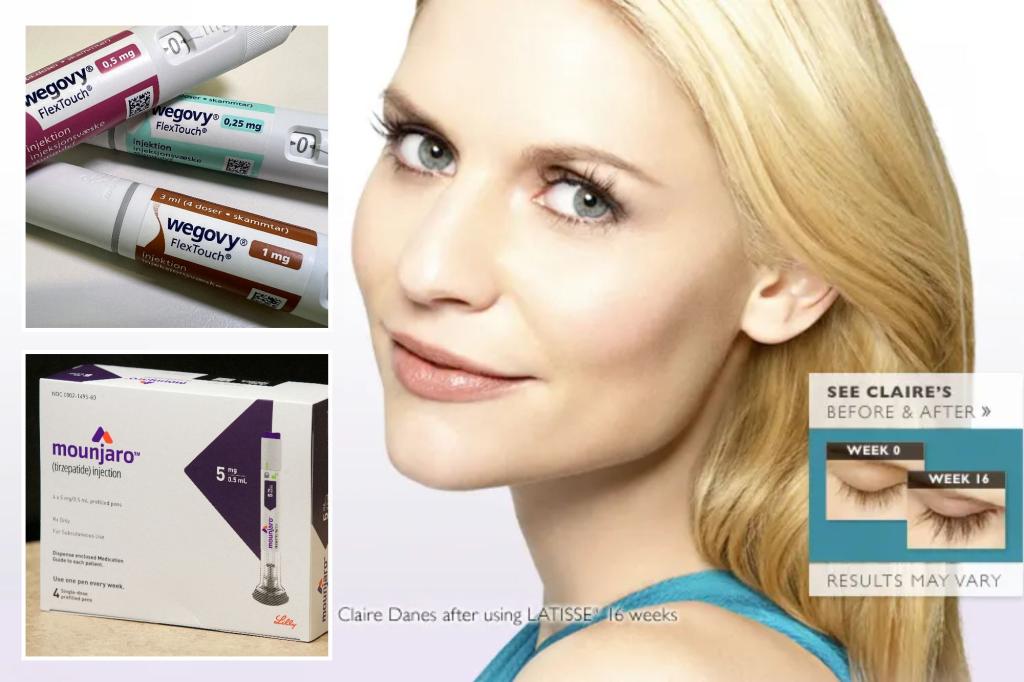
The process of naming pharmaceutical drugs involves careful consideration of factors such as the number of letters and syllables, as well as the inclusion of specific letters like Z or X to make the name stand out. Jingles and catchy tunes in commercials help people remember the branded names of drugs. Research has shown that consumers are drawn to drugs with names starting with Z, which imparts a high-tech, sciency feeling. Sometimes the same drug has multiple names depending on its usage, and names are chosen to differentiate drugs with similar formulations. The naming process also involves creating a brand personality and considering the target audience.
Sanofi CEO Paul Hudson and company executives held an R&D day in Manhattan to address doubts about the company's ability to focus and execute, particularly in building a pipeline. Hudson touted 12 potential blockbusters and announced an increase in R&D spending, aiming to persuade skeptical investors.