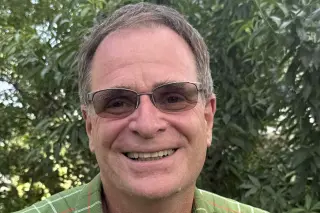
Rusty Martin, a 66-year-old Iowa man with early-onset Alzheimer’s, plans to travel to Switzerland to end his life with medical aid in dying because it isn’t legal in Iowa; his wife and children support his choice, citing the desire not to lose his mind to the disease, and he has urged Iowa lawmakers to adopt death-with-dignity legislation.
New York’s Medical Aid in Dying Act takes effect, allowing terminally ill adults with six months to live to request lethal medication from their clinician under stringent safeguards, including multiple patient requests, a residency requirement, and a mental health evaluation; eligible patients must be 18+, have a terminal illness likely to cause death within six months, be of sound mind, and be physically capable of self-administering the medication. The law makes New York the 14th state to legalize medical aid in dying, following a decade-long fight with opposition from the Catholic Church and disability advocates. Health officials issued implementation guidance amid ongoing litigation, including a temporary exemption for Carmelite nuns opting out of participation. Advocates say the option is rarely used but meaningful for some and hope to spur similar legislation in other states.
New York’s new law will allow terminally ill patients to end their lives with legally prescribed medication, taking effect this week after a yearslong push by advocates; supporters say it offers a compassionate, autonomy-respecting option, while opponents warn about safeguards and potential pressure on vulnerable patients.
New York lawmakers passed amendments to the Medical Aid in Dying Act, setting up a pathway for terminally ill patients with less than six months to live to request life-ending medication. Gov. Kathy Hochul is expected to sign the amended bill, which adds safeguards such as residency requirements, a video or audio request, a five-day waiting period, two-doctor evaluations, and mental health screening, and imposes rules on witnesses with financial interests. A six-month implementation period for the Health Department to draft regulations accompanies the bill, potentially making New York the 14th state to legalize aid in dying.
Governor Kathy Hochul is expected to sign the Medical Aid in Dying Act in New York, allowing terminally ill patients to request life-ending medication, after reaching a legislative compromise. The bill, supported by a majority of New Yorkers but opposed by religious groups, includes provisions such as a video request, waiting period, and mental health evaluation, though amendments may weaken some of Hochul's initial demands.
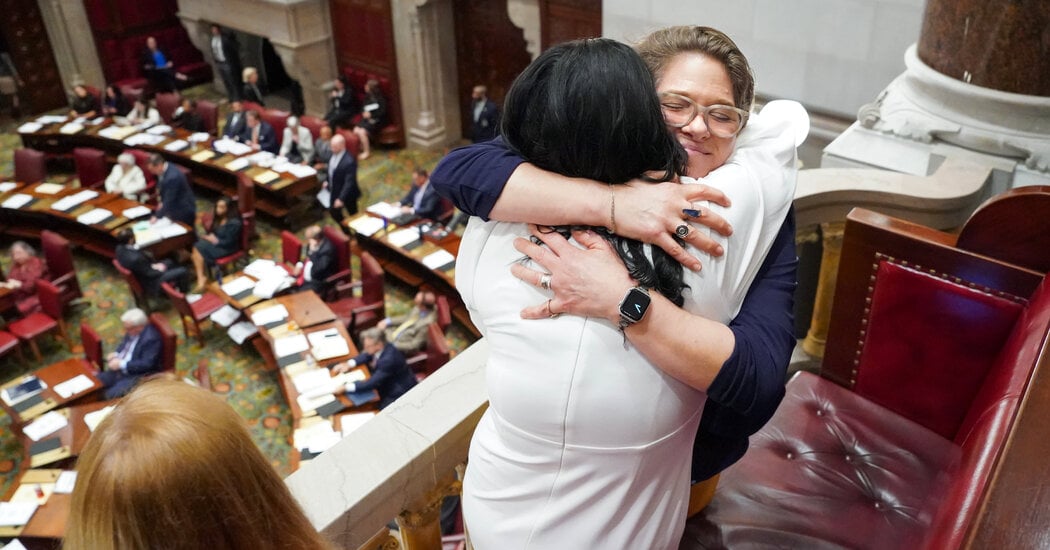
New York State Senate approved a bill allowing terminally ill patients with less than six months to live to request assisted death, emphasizing personal autonomy and compassion, with the bill now awaiting governor's signature. The legislation, supported by various advocacy groups and opposed by some religious and disability rights organizations, reflects ongoing debates about end-of-life choices and ethical considerations.
Death doulas, who provide support to terminally ill patients and their families, are increasingly in demand in the U.S. due to gaps in hospice care and the rise of medical aid in dying (MAiD) policies. These doulas offer a range of services, from personal care to emotional support, and can charge up to $3,000. Their role is seen as vital in providing dignity and companionship to those in their final days, especially for those who are alone. The movement is growing, with calls for insurance companies to recognize and reimburse their services.
A former doctor from Arizona has been charged with manslaughter for allegedly aiding a person to die by suicide in a New York motel. Stephen P. Miller pleaded not guilty to the charges and was released on bail. His attorney stated that the deceased woman had severe, chronic pain and had contacted Miller through an organization advocating for the legalization of medical aid in dying. Miller serves on the advisory board of an end-of-life nonprofit group in Arizona. Medical aid in dying is legal in some states but not in New York, where the incident occurred. Miller is due back in court in March.