health-care21.785 min read
Illinois Woman Billed $410 for ER Visit Where She Left Untreated After Four-Hour Wait
15 days ago•Source: The Washington Post

The latest health care stories, each synthesized from multiple sources with added background and context.

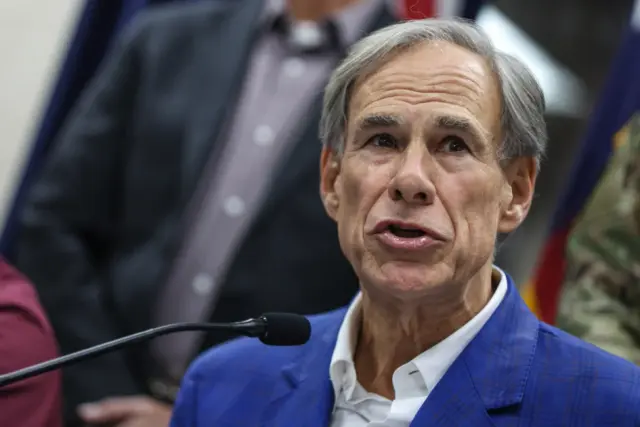
Gov. Greg Abbott announced on Sept. 17 that the federal government will restore nearly $12 billion in Medicaid funding to Texas hospitals, resolving a dispute that began when CMS withheld funds on Sept. 1. The impasse, which threatened a $27 million daily loss for the state, centered on federal scrutiny of how Texas generates its share of the Comprehensive Hospital Increase Reimbursement Program (CHIRP). While Abbott framed the resolution as a victory for patient access, the Texas Hospital Association emphasized the averted crisis, and the timeline for actual fund transfers remains unclear.
Politico•1 month ago
The Texas Tribune•1 month ago

Costco Wholesale and SCAN Health Plan are partnering to offer Costco-branded Medicare plans, marking Costco’s first foray into Medicare. The rollout will begin with Medicare Advantage products in two states and a Medicare supplement plan in a third, subject to CMS approval. Plans will be sold in Costco stores and through traditional channels, with federal rules prohibiting bundling the plans with a Costco membership. SCAN’s footprint covers 33 counties across CA, AZ, NV, TX, NM, and WA, serving about 460,000 members (roughly 500,000 when affiliated programs are included).
An Alaskan surrogate in a Texas dispute seeks a Dallas County court’s permission to obtain medically necessary treatment for the fetus she carries after the California couple she surrogates for refuses the procedure. Texas AG Ken Paxton has filed an emergency order backing the surrogate, arguing Texas law recognizes the birth mother as the legal parent and that gestational agreements cannot override state law; he also notified local hospitals to provide care. The case tests surrogacy precedent in Texas, which has allowed intended parents to be recognized before birth, and raises questions about when doctors can treat a child without parental consent in emergencies.

A new perinatal mental health unit is leading an integrated approach to maternal mental health, combining obstetric care with psychiatry and social support to screen, diagnose, and treat mood and anxiety disorders in pregnant and postpartum women, with the aim of reducing stigma and improving outcomes for both mothers and infants.
Eight Republican-led states—Arkansas, Idaho, Indiana, Iowa, North Carolina, North Dakota, Ohio and Utah—will require earlier proof of medical frailty to remain on Medicaid, adopting stricter work rules than the federal baseline and skipping the 2027 grace period. Democrats warn the tighter rules will leave sick people uninsured and strain clinics, while conservatives argue tighter verification closes fraud loopholes and reduces waste.

A West Health–Gallup survey finds 24% of American workers feel “job-locked”—staying in their current jobs mainly to retain employer-sponsored health insurance, up 8 points since 2021. The burden is higher for people with medical debt, financial strain from healthcare costs, chronic conditions, and women. As of March 2025, about 60% of people under 65 have employer coverage; premiums averaged $1,440 for single and $6,850 for a family. With pandemic-era subsidies expired, ACA marketplace premiums rose, and a median 2027 increase around 14% is anticipated, which may push more people to remain with job-based plans, underscoring policy challenges around affordable care and labor mobility.

Texas public and private schools report declining vaccination rates for required immunizations, with statewide increases in exemptions; the Texas Tribune has published a publicly accessible, searchable database showing 2025-26 coverage by district and changes from the prior year, noting campus-level variation and differences by vaccine.
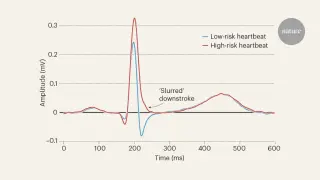
A Nature News & Views piece shows a deep-learning model trained on thousands of ECGs and death records uncovers a previously unrecognized high‑risk group for sudden cardiac death by identifying ECG features that may improve risk prediction beyond current tools, potentially guiding targeted use of implantable defibrillators after further validation.

ProPublica reports that Dr. Joseph Mercola has reversed his longtime opposition to newborn vitamin K shots, saying the data show the shot saves lives and advising parents to discuss prophylaxis with their pediatrician. The piece notes rising uptake decline, widespread online misinformation, and broader trust issues in health care, while authorities continue to recommend the shot as safe and effective.
States expanding Medicaid say implementing the federal work requirements by the 2027 deadline will require tens of millions for new staff, overtime, and IT system upgrades, with limited federal help to cover costs. Nebraska has already begun enforcing the rules, while others weigh substantial ongoing expenses and potential cuts to other services as Republicans argue the policy could yield long-term savings despite limited near-term relief.
Acting FDA Commissioner Kyle Diamantas has been telling anti‑abortion leaders he personally opposes abortion while facing questions about past work as outside counsel for a Planned Parenthood Florida clinic (2014–2017) and his later removal from that case for conscience reasons; some filings still list him, prompting skepticism from conservatives. The FDA has pledged a science‑based review of the abortion pill’s REMS and to provide updates, while Diamantas did not respond to questions about the case; the White House defended him amid ongoing debates over mifepristone policy and the agency’s leadership.