Tag

Menin

All articles tagged with #menin

Brain aging switch: Menin loss reversed in mice
science6 days ago

Brain aging switch: Menin loss reversed in mice

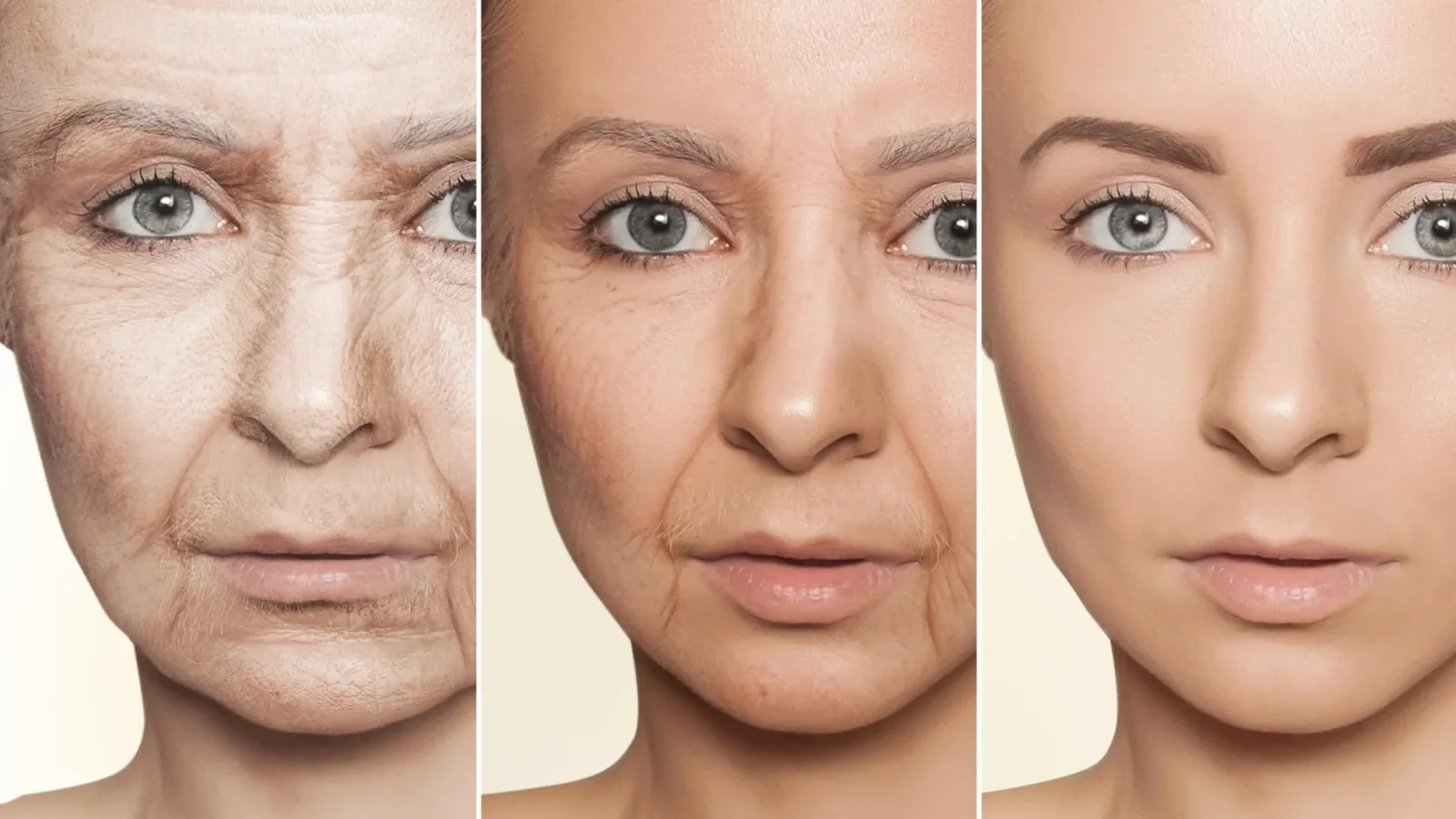
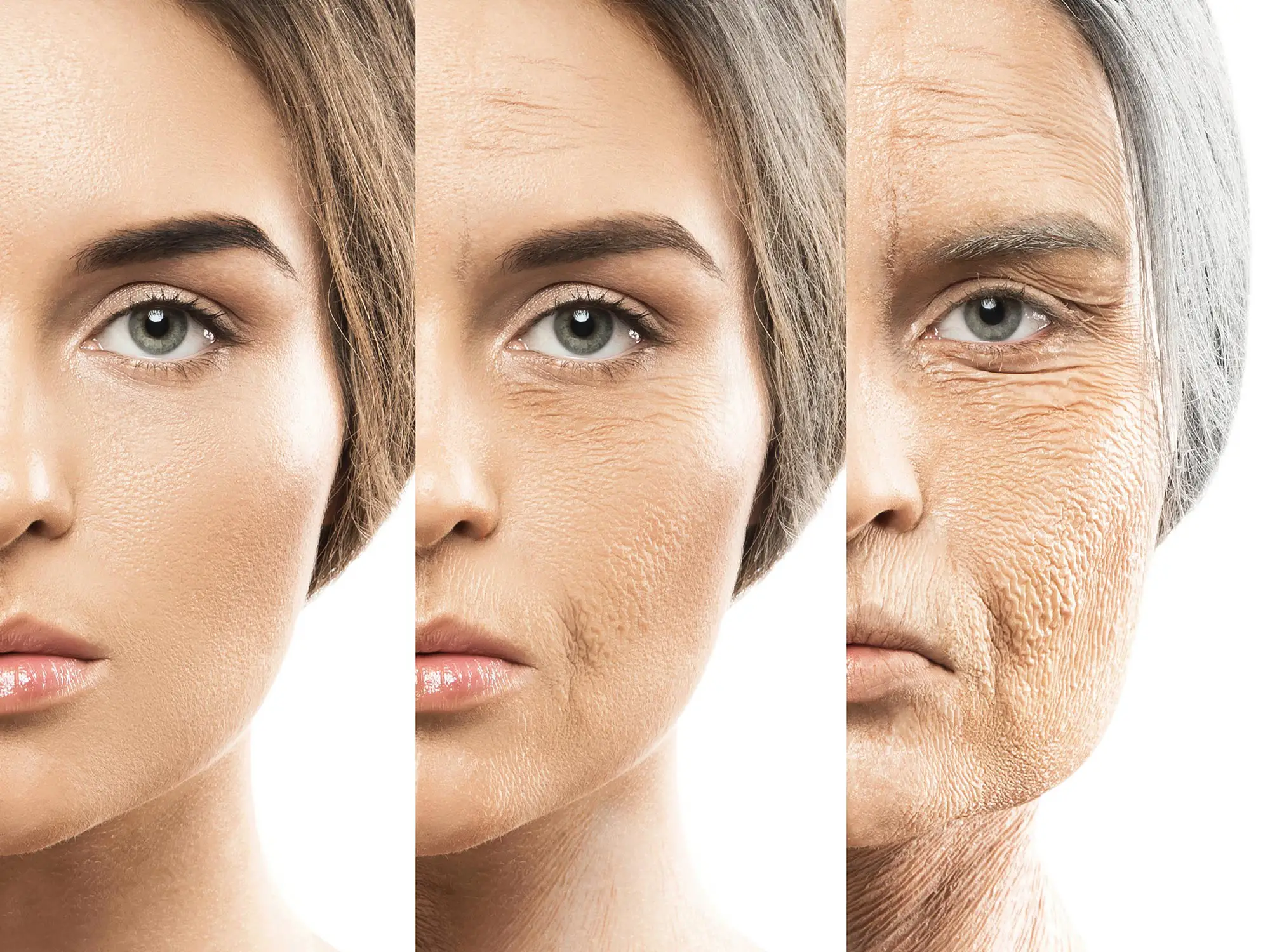
Researchers found that aging-linked decline of the brain protein Menin in the ventromedial hypothalamus triggers inflammation, memory and physical aging signs in mice. Restoring Menin reversed several aging features, and dietary D-serine supplementation improved cognition in older mice, suggesting a brain-centered mechanism for aging with potential human relevance—but no human trials yet and safety remains uncertain.
politics1 month ago

NYC Feud Flare: Mamdani and Menin Clash Early in Term

New York City Mayor Zohran Mamdani and City Council Speaker Julie Menin are in an escalating public clash that could slow his progressive agenda, trading blows over a city-owned grocery plan, debates about diversity language in a racial equity draft, and disagreements on a proposed property tax hike. An internal union memo about a protest outside Mamdani’s 100‑day speech heightened tensions, though both sides deny coordination. With Mamdani’s budget power and broad popularity, the feud could shape the city’s early governance and priorities.

Dietary Supplement May Reverse Aging by Targeting Menin Protein Loss.
health3 years ago

Dietary Supplement May Reverse Aging by Targeting Menin Protein Loss.

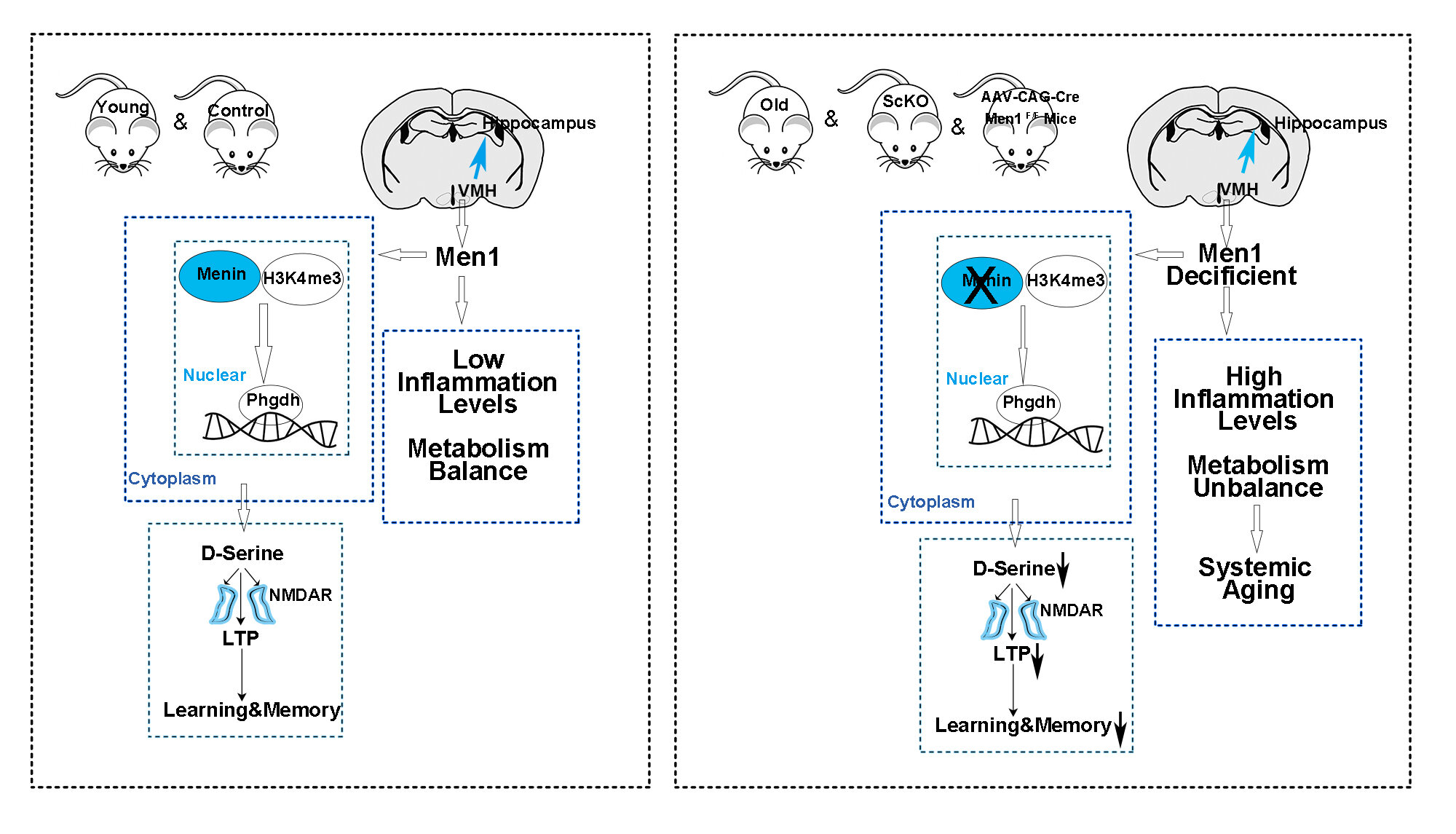
A recent study suggests that the decline of Menin in the hypothalamus may contribute to physiological aging, affecting cognition, bone mass, skin thickness, and lifespan. The study found that a simple dietary supplement of an amino acid, D-serine, may help mitigate some of these age-related changes. The decline in the hypothalamic Menin may play a key role in aging, and the findings reveal a previously unknown driver of physiological aging.

"Menin protein holds key to reversing aging, new study suggests"
health3 years ago

"Menin protein holds key to reversing aging, new study suggests"

A new study in mice has identified a previously unknown trigger of aging in the brain's hypothalamus, involving the age-related reduction of a protein called menin. The study suggests that a reduction in menin in the hypothalamus results in neuroinflammation that may cause characteristics of aging. The authors of the study also determined that a loss of menin causes a reduction in levels of an enzyme required for the production of the neurotransmitter, the amino acid D-serine. The study proposes that supplements of menin and D-serine may be able to reverse aspects of aging in humans.

"Enzymes and Supplements: The Keys to Unlocking Longevity and Health"
health3 years ago

"Enzymes and Supplements: The Keys to Unlocking Longevity and Health"

A new study reveals that the decline of the hypothalamic hormone Menin may play a key role in aging. Researchers found that supplementing the amino acid D-serine helped to mitigate some of the age-related changes associated with a decline of Menin in mouse models. The study suggests that supplementation with D-serine may mitigate some age-related changes and reverse signs of physiological aging, including improved skin thickness and bone mass, better learning, cognition, and balance.

Dietary supplement reverses aging by countering Menin loss in mice.
health3 years ago

Dietary supplement reverses aging by countering Menin loss in mice.

Loss of Menin in the hypothalamus may contribute to aging-related phenotypes, including cognitive decline, bone mass reduction, and skin thickness reduction. A dietary supplement, D-serine, can reverse some of these age-related changes in mice by increasing Menin and D-serine levels in the hypothalamus. The study suggests that Menin may be a key protein connecting genetic, inflammatory, and metabolic factors of aging and that D-serine is a potentially promising therapeutic for cognitive decline.

Dietary supplement reverses aging by countering menin loss in mice.
health3 years ago

Dietary supplement reverses aging by countering menin loss in mice.

A new study suggests that the loss of Menin, a hypothalamic hormone, may play a key role in aging. Reduction of Menin in younger mice led to an increase in hypothalamic neuroinflammation, aging-related phenotypes, cognitive decline, and modestly reduced lifespan. The study also found that dietary supplementation with D-serine, an amino acid, can reverse some age-related changes in mice, including improved skin thickness and bone mass, better learning, cognition, and balance. The findings reveal a previously unknown driver of physiological aging and suggest a potentially promising therapeutic for cognitive decline.