
Tag

Minimal Cells

All articles tagged with #minimal cells

Survival Against All Odds: Natural Selection Prevails Despite Limitations
science2 years ago

Survival Against All Odds: Natural Selection Prevails Despite Limitations

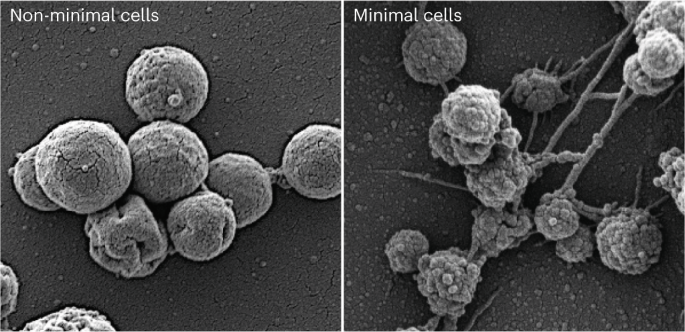
Researchers studying minimal cells from the Mycoplasma mycoides JCVI-syn3B strain found that reducing the genome in these cells does not increase viable mutations, despite the reduction in protein coding genes. Both the minimal cells and the non-minimal cells displayed similar mutation rates and mutational spectra, indicating that natural selection can still operate effectively even under heavy constraints. However, the minimal cells did exhibit an increased AT bias in single-nucleotide mutations.
Synthetic Life Forms: Evolving with Tiny Genomes
science2 years ago

Synthetic Life Forms: Evolving with Tiny Genomes

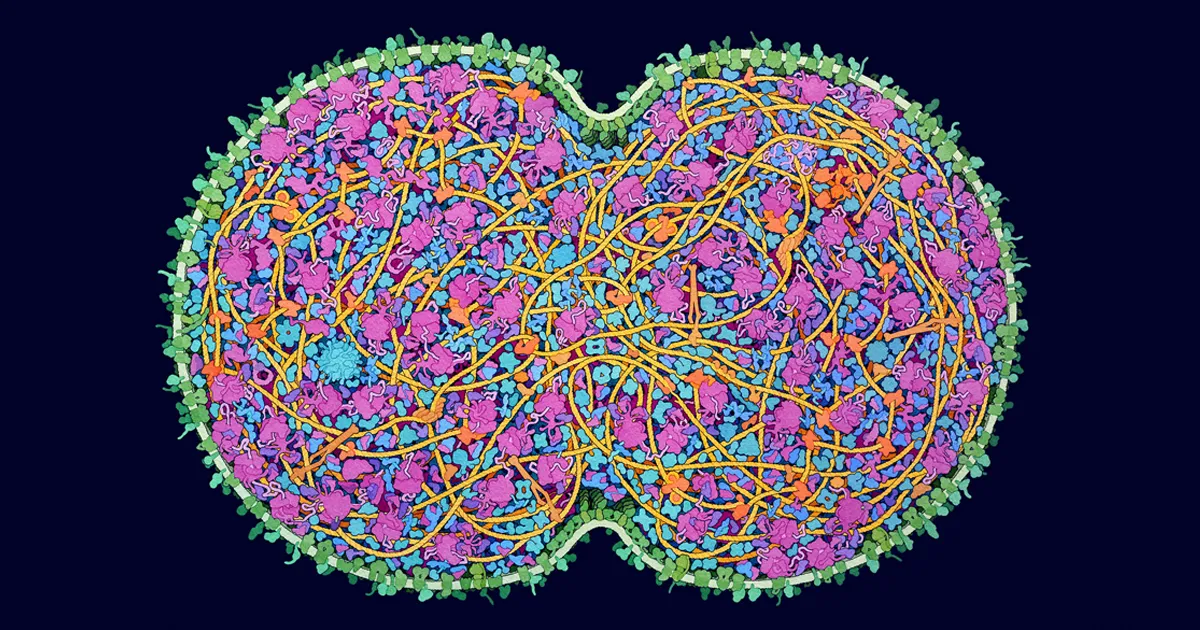
New evolution experiments involving minimal cells, synthetic life forms with a tiny genome, are shedding light on how these organisms can evolve and how principles of evolution apply to all forms of life. Researchers have engineered minimal cells modeled after a goat-dwelling parasitic bacterium and have found that these cells respond to evolutionary pressures and mutate at a comparable rate to natural bacteria. The experiments also revealed an exaggerated mutational bias in the minimal cells, suggesting that some genes removed during the minimization process normally prevent certain mutations. Additionally, when dense populations of minimal cells were subjected to natural selection over an extended period, beneficial mutations and genetic variants emerged and spread throughout the population.

The Power of Synthetic Evolution: Minimal Cells Thrive and Adapt
science3 years ago

The Power of Synthetic Evolution: Minimal Cells Thrive and Adapt

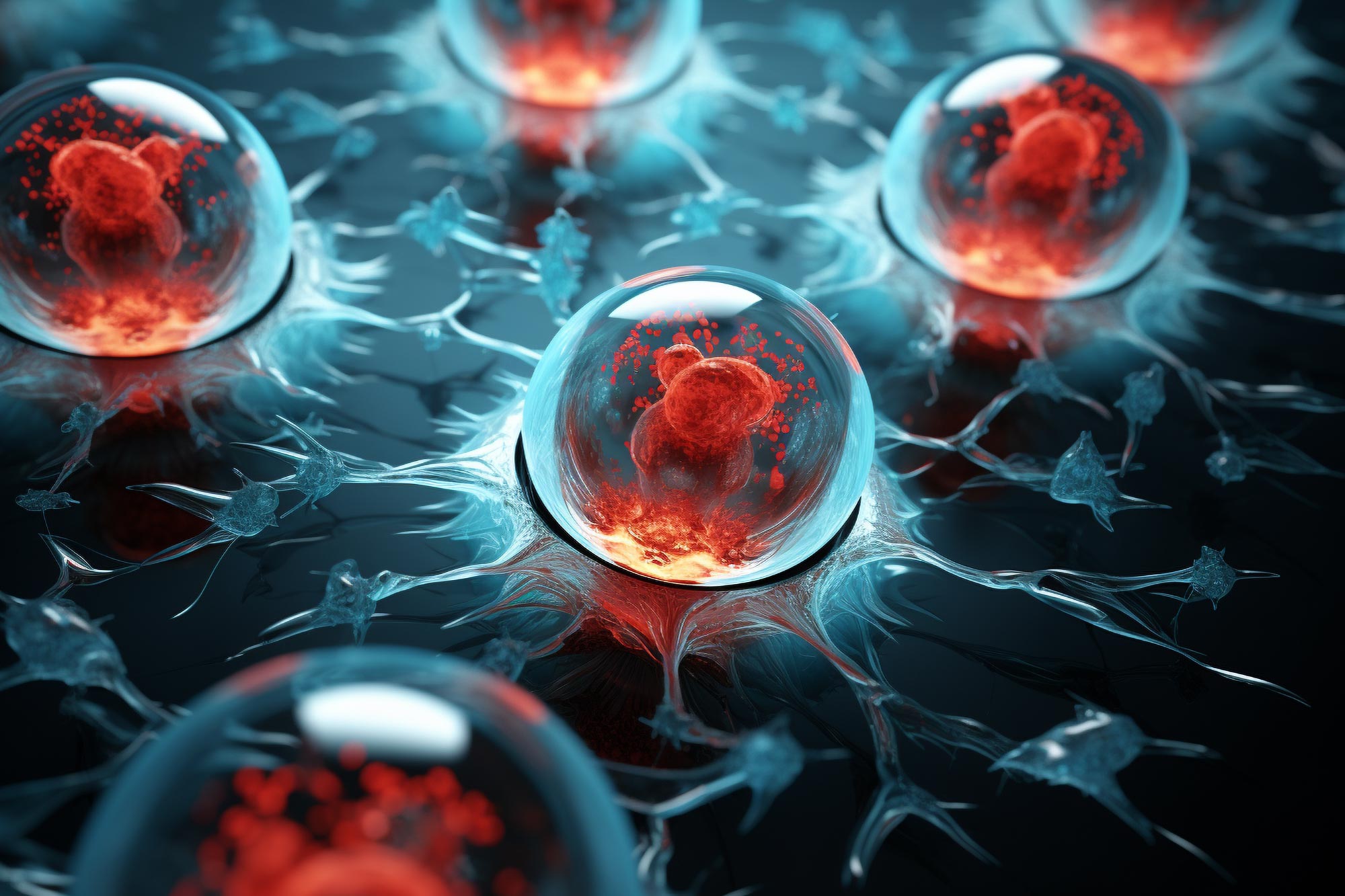
Evolutionary biologist Jay T. Lennon and his team have studied a synthetic minimal cell with 45% of its genes eliminated, finding that it evolved as quickly as a regular cell, demonstrating the resilience of life. The synthetic cell, stripped down to its essential genes, showed the capacity for organisms to adapt and evolve, even with a reduced genome. The research has implications for understanding the evolution of cellular complexity and has important applications in fields such as genetic engineering and the treatment of clinical pathogens.