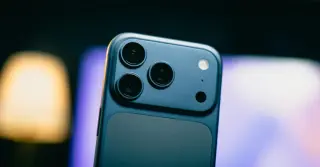
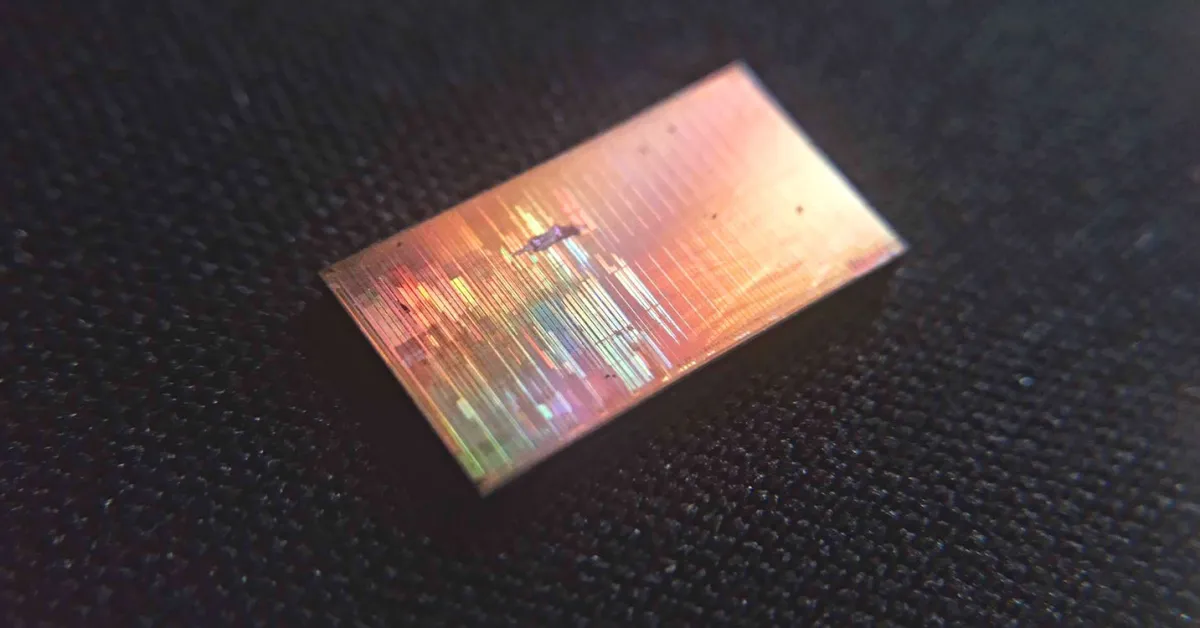
TechInsights’ teardown confirms the US-spec iPhone 18 Pro Max uses Qualcomm’s Snapdragon X80 modem, while non-US models use Apple’s C2; the reason is likely contractual, and the device still supports mmWave 5G.
Apple’s iPhone 18 Pro and iPhone 18 Pro Max share flagship features (A20 Pro chip, 48 MP Pro Fusion camera, Pro camera controls, OLED ProMotion) but differ in size, weight, display, and battery life. The Pro Max has a larger 6.9-inch display, more battery life, and weighs more; the Pro is smaller and lighter. In the U.S., the Pro Max uses a Qualcomm modem while the Pro uses Apple’s C2. Pricing starts at $1,199 for the Pro and $1,299 for the Pro Max, with up to 2TB storage; the choice comes down to whether you want the bigger screen and longer battery or a more compact device (with modem considerations).
Google is running aggressive Pixel 11 Pro trade-ins that can make the phone effectively free through carrier credits, but Pixel 10 Pro owners are passing on the upgrade due to a RAM cut at the entry tier (12GB instead of 16GB) and the removal of a thermometer LED; the notable hardware change is a new modem, while the price benefit comes as credits rather than a true discount, making the upgrade less compelling for many users.
Rumors point to the iPhone 18 Pro including a variable aperture main camera, a 35% smaller Dynamic Island notch, and Apple’s own C2 modem, signaling notable hardware changes ahead of the launch.
Qualcomm says Apple’s move to in‑house iPhone modems will accelerate a decline in its handset revenue, starting in fiscal Q4, after Apple’s modem share fell below earlier estimates. Apple has rolled out its own modem across recent iPhones, reducing Qualcomm’s exposure. Qualcomm expects non‑handset growth—especially AI data centers and automotive chips—to offset this, aiming for $5B in AI data center revenue by 2027 and $15B by 2029, while also raising prices from Sept. 1 to cover higher manufacturing costs. In Q3, handset revenue was $5.09B, down 20% YoY, with Q4 earnings forecast below expectations.
Google has grafted a Rust-based component into the Pixel 10 modem to enforce memory safety and harden DNS parsing, reducing remote-code-execution risk in legacy C/C++ modem firmware without a full rewrite.
A Reddit post reports a hardware-level failure in Apple's in-house C1X 5G modem in the iPhone Air, with the device losing cellular reception and showing no signal despite troubleshooting; Apple typically investigates and replaces defective units, but there’s no evidence yet of a widespread issue. The C1X is expected to appear in the iPhone 17e next month, with rumors of a next-gen C2 modem in future models.
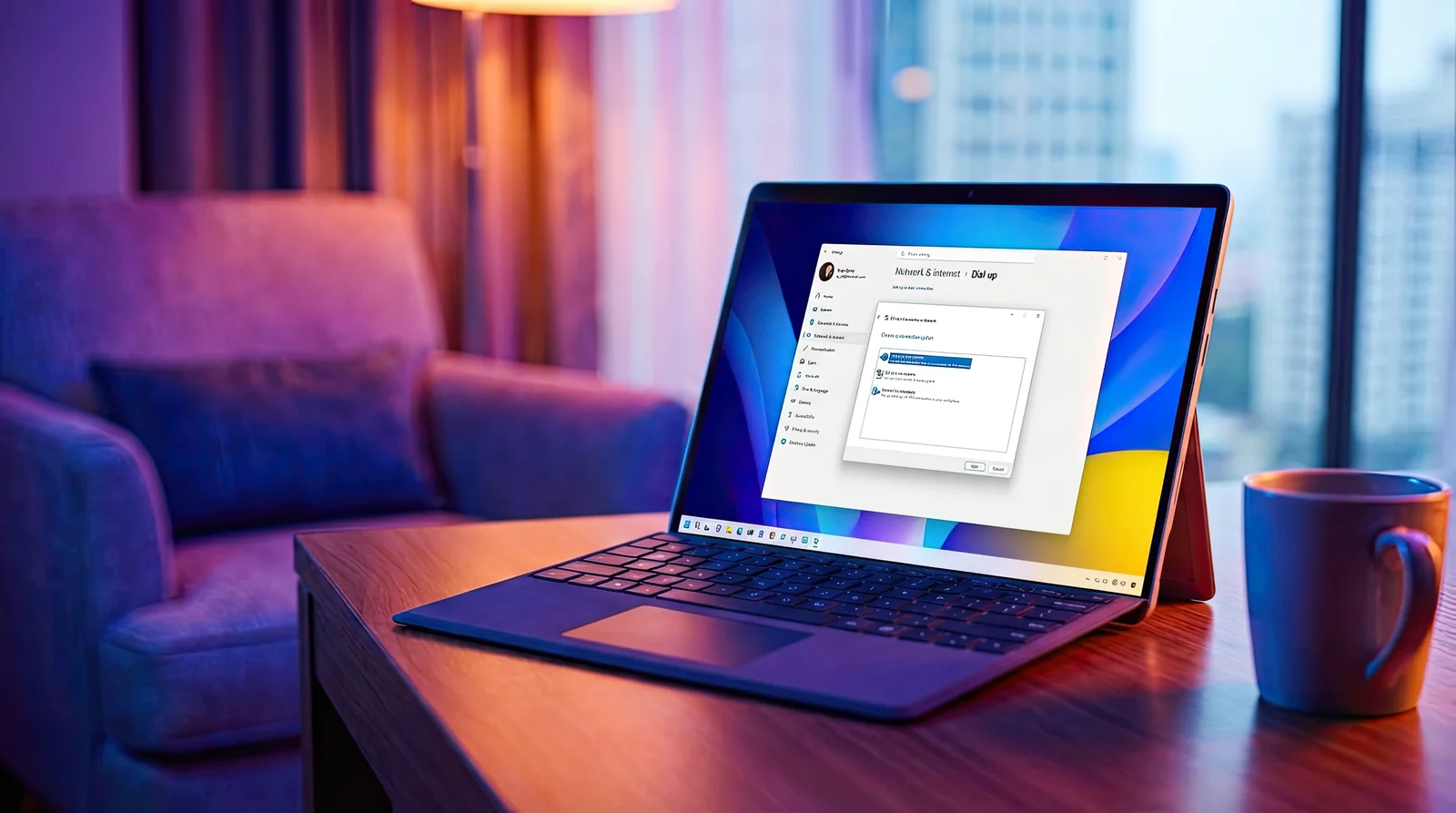
KB5074109 removes several legacy modem drivers (agrsm64.sys, agrsm.sys, smserl64.sys, smserial.sys), causing some modems to stop working. Microsoft says the change is a deliberate security measure, not a bug, and recommends uninstalling or pausing the update as a temporary workaround while affected hardware and drivers are updated.
The Google Pixel 11 series is rumored to feature a new MediaTek M90 modem, supporting advanced 5G features and satellite connectivity, marking a potential shift from previous models that used Samsung's Exynos modem. However, this information is unconfirmed and should be taken with caution.
Qualcomm's CEO Cristiano Amon discusses the company's strategic shift away from reliance on Apple, planning for a future where Apple uses its own modems, and highlights growth opportunities in Android, automotive, IoT, and AI server chips, aiming to remain a disruptive player in a competitive market.
A Qualcomm-commissioned study shows its modem chips outperform Apple's in dense urban environments, highlighting the performance gap with Apple's in-house C1 modem in the iPhone 16e, especially in 5G download and upload speeds, raising questions about Apple's in-house chip development efforts.
François Bayrou, a centrist political veteran and ally of President Emmanuel Macron, has been appointed as France's new prime minister following the ousting of Michel Barnier. Bayrou, who leads the MoDem party, faces the challenge of navigating a hung parliament and passing a 2025 budget amid political turmoil. His success will depend on building coalitions across the political spectrum, including neutralizing the far-right and negotiating with the moderate left, while maintaining fiscal discipline.
Apple's upcoming iPhone 17 Air is expected to be the thinnest iPhone ever, thanks to a new in-house modem that allows for a slimmer design. The phone will be approximately 25% thinner than current models, featuring a single 48-megapixel camera and a 6.6-inch display. The new modem, which will also debut in the iPhone SE, is more space-efficient and power-saving, contributing to the phone's lightweight and stylish design. Despite its thinner build, the modem's performance may not match the top speeds of current Qualcomm modems, though this might not impact everyday use.
Apple's upcoming iPhone 17 Air is expected to be the thinnest iPhone ever, thanks to a new in-house modem that allows for a slimmer design. The modem, initially set to debut in the iPhone SE, will be integrated into the iPhone 17 Air, making it approximately 2mm thinner than the iPhone 16 Pro. This design-focused model will feature a 6.6-inch display and a single rear camera. While the new modem may not match the performance of current Qualcomm modems, it is expected to offer sufficient real-world speeds for users.
Apple is making significant strides in technology with the development of its in-house modem, Sinope, which aims to replace Qualcomm components and enhance device capabilities. The company is also planning to launch a foldable iPhone by 2026, potentially revitalizing the foldable smartphone market. CEO Tim Cook discussed future plans, including a new camera button for the iPhone 16 and Vision Pro sales. Despite a slowdown in sales, Apple's stock reached a new high, and the most popular free iPhone apps in the U.S. continue to be dominated by games and social media.