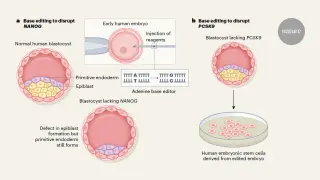
A Nature News & Views piece explains how researchers are using adenine base editing to modify human embryos in order to probe the function of NANOG in early development, offering a precise way to study gene roles while fueling ongoing debates about heritable genome editing.
Researchers delivered ABE8e-V106W base editor as a protein at fertilization to human embryos, achieving editing at all PCSK9 alleles and supporting development to the blastocyst with homozygous edited stem cells; no insertions/deletions were detected, though rare chromosomal abnormalities occurred. Bystander and off-target edits were mosaic, and delivering the editor as mRNA caused embryo arrest. While base-editor–induced lesions are efficiently repaired compared with Cas9 breaks, current safety concerns prevent clinical use in reproduction.
Six-year-old Mei with a Rett-like Snijders Blok-Campeau syndrome died in March 2025 after participating in an experimental gene-therapy trial in China; Science and Retraction Watch report the trial violated ethical and safety rules, with Mei's parents funding a base-editing approach delivered by a viral vector, raising urgent questions about oversight and safety in biotech research in China.
An exclusive investigation shows a one-patient Shanghai trial using a brain-targeted base editor ended in the death of a 6-year-old girl from a severe immune reaction; her family paid more than $800,000 to fund the therapy, and the trial’s funding and patient details were not publicly disclosed, even as the related Nature paper glossed over them. Experts call for a full data review and potential retraction amid concerns about oversight and safety.
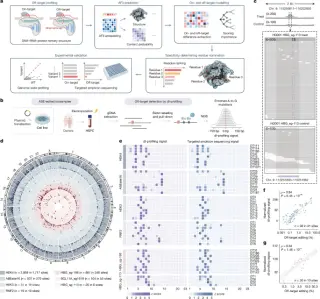
ContactSeek, an AI framework, leverages AlphaFold3-predicted contact probabilities to map on- and off-target interactions of genome-editing complexes (Cas9–TadA8e and Cas12a-based CBEs). By correlating contact changes with sequencing-based off-target signals, it identifies consensus contact regions and specificity-determining residues, enabling targeted mutations that greatly improve editing specificity while preserving on-target activity. The approach, which generalizes to multiple editors, establishes an AF3-driven paradigm for enhancing precision in genome editing by integrating structural and functional dimensions.
New studies using base editing in early human embryos show precision editing with fewer chromosomal errors but still face mosaicism and off-target effects. While these results advance understanding of embryo development and disease-related genes, experts warn that safety, ethical, and regulatory hurdles remain, keeping the door to germline editing and “designer babies” firmly closed for now rather than opened.
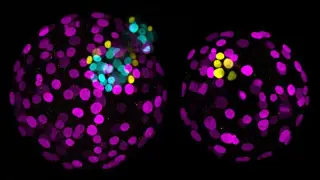
Researchers used adenine base editing (ABE8e) to selectively disrupt NANOG by splicing, enabling a functional knockout without nuclease-induced DNA damage. Loss of NANOG disrupts pluripotent epiblast formation and redirects cells toward primitive endoderm or trophectoderm programs, revealing NANOG’s essential role in human pluripotency and epiblast specification. The study also highlights species-specific differences from mouse development and demonstrates base editing as a powerful tool for probing human embryogenesis.
A Columbia University team used base editing to modify two genetic sites in human embryos to test feasibility rather than therapy; results showed mosaicism and limited promise, but many fear the work could lower barriers to germline enhancements and expose gaps in U.S. oversight, fueling ongoing ethical and regulatory debates.
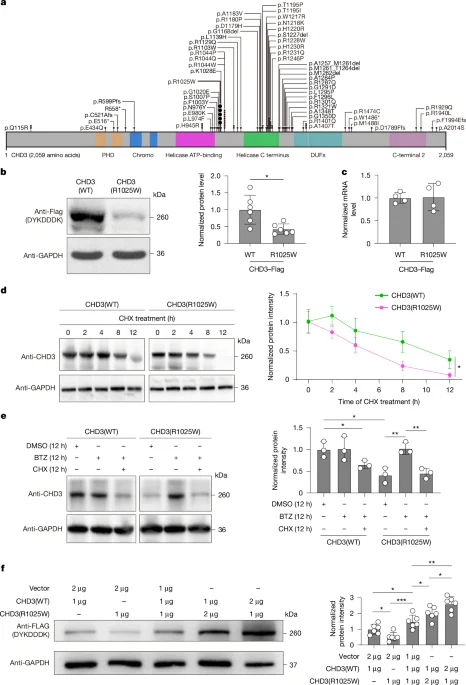
Researchers created a humanized CHD3 R1025W mouse model of SNIBCPS and used a TadA-embedded adenine base editor delivered by dual AAVs to correct the pathogenic A•T base pair in the brain, restoring CHD3 protein levels and rescuing social, cognitive, and motor deficits; supplementary nonhuman primate work showed widespread neuronal transduction, supporting translational potential for CHD3-related neurodevelopmental disorders.
A world-first therapy edits donor T-cells with a base-editing CRISPR approach to target T-cell leukemia, turning white blood cells into a disease-fighting living drug. In early tests at GOSH and King’s College Hospital, nine children and two adults showed deep remissions, with seven remaining disease-free three years later.
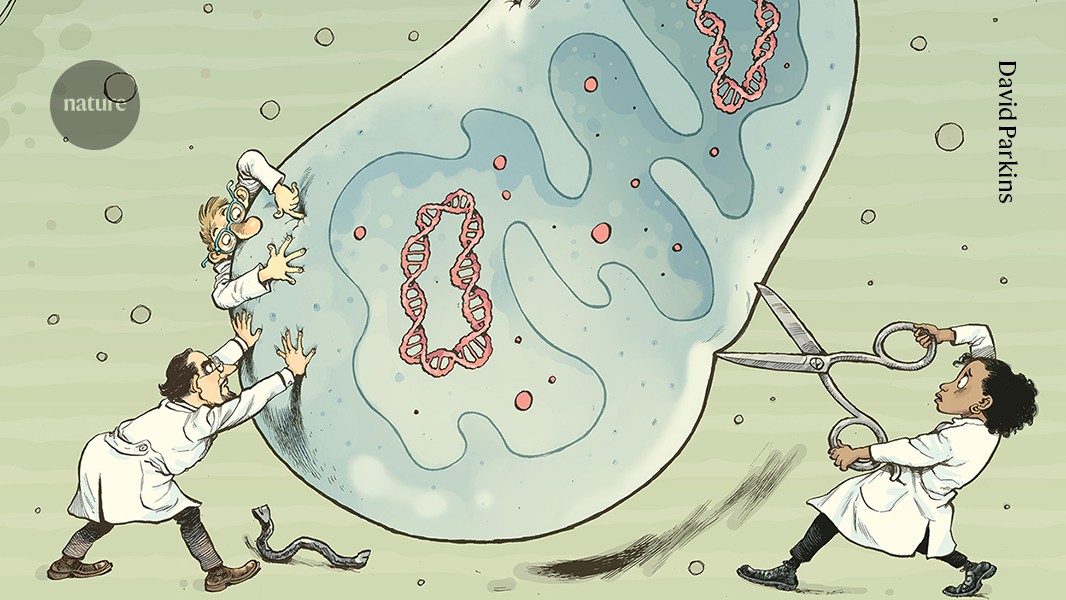
Researchers are developing new methods to precisely edit mitochondrial DNA, which is crucial for understanding and potentially treating mitochondrial diseases, as traditional CRISPR techniques cannot easily access mitochondria due to their membrane barriers. Innovations like DddA-based base editing and TALENs are promising tools that could lead to cures for these incurable genetic disorders.
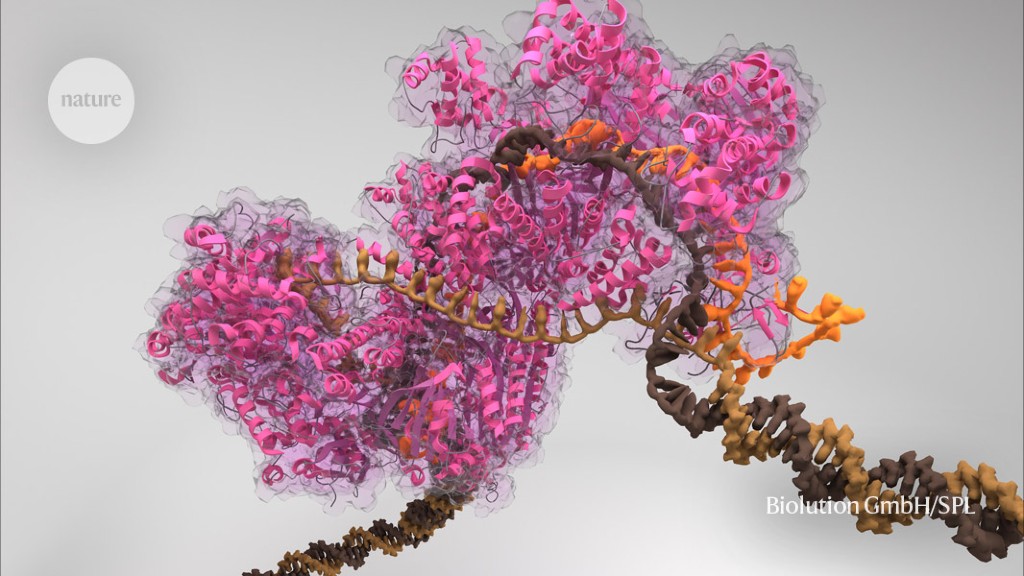
Researchers are developing a new wave of CRISPR-based gene editing techniques that offer more precision and versatility than the original CRISPR-Cas9 system. These next-generation systems, such as base editing and prime editing, can change individual DNA bases, insert or delete small stretches of DNA, and alter the epigenome to regulate gene activity. Base editing therapies are already in early clinical trials, while prime editing is being enhanced for efficiency. The regulatory approval of classical CRISPR-Cas9 therapies paves the way for these advanced techniques, expanding the possibilities for treating genetic disorders and diseases.
In a small clinical trial, a single infusion of a CRISPR-based gene editor called VERVE-101 reduced artery-clogging cholesterol by up to 55% in 10 people with familial hypercholesterolemia. The treatment, which uses base editing technology to disable a gene encoding a liver protein that regulates cholesterol, could potentially provide a one-time solution for managing high cholesterol levels. While the trial focused on safety rather than efficacy, the results are promising. However, two participants experienced severe heart issues, with one potentially related to the treatment. Further research is needed to assess long-term safety and efficacy, but the study marks an important milestone in using CRISPR for chronic diseases.
Verve Therapeutics has reported promising preliminary results from the first test of its one-time treatment, VERVE-101, which utilizes base editing, a form of CRISPR, to lower bad cholesterol levels in patients with an inherited type of cardiovascular disease. Three out of the ten participants showed significant reductions in LDL-C levels, with one patient maintaining the decline for six months. This study marks the first data in patients using base editing to modify DNA, and the results highlight the potential of gene-editing treatments in treating cardiovascular conditions.
Researchers at Weill Cornell have developed a new gene editing tool that utilizes CRISPR-Cas9 technology to study cancer mutations in preclinical mouse models. The tool combines Cas9 and guide RNA with APOBEC, an enzyme that creates single base mutations in DNA. The team faced challenges with unwanted mutations and varying gene expression, but overcame them by integrating a single gene copy controlled by doxycycline. The tool has the potential to understand the effects of genetic changes on tumors, develop effective therapies, and study other disorders beyond cancer.