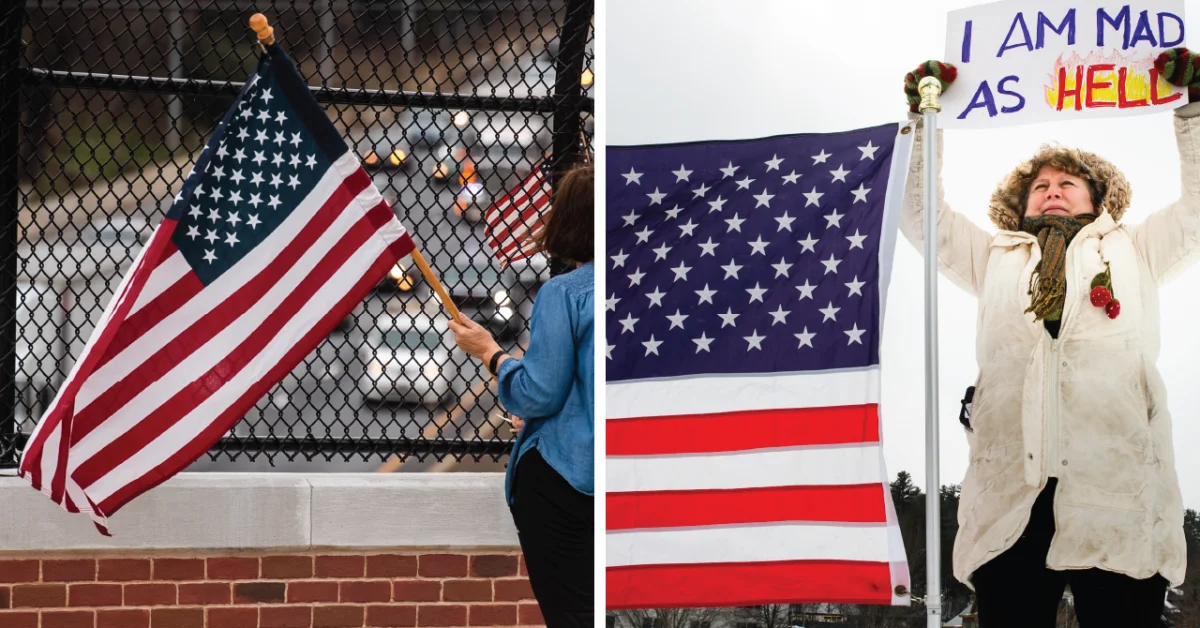
President Trump frames a sweeping Washington, DC restoration push—highlighting the Meridian Hill Park fountain’s restoration and ongoing infrastructure and beautification projects—as a rejection of decline, with aims to make the capital safer, more beautiful, and a symbol of national pride ahead of the city’s 250th anniversary on July 4, 2026.
Pew Research Center surveyed 5,153 U.S. adults in Aug 2025 to ask what makes Americans proud of the United States. Freedom is the top source of pride (22%), a pattern that stands out globally among the 25 countries studied. About one-in-five Americans express negative feelings about the country. Republicans tend to cite freedom, leadership, and the military, while Democrats emphasize diversity and past ideals; Americans are more likely than people in many countries to name a current national leader, primarily Donald Trump. The analysis includes methodology notes and country-by-country comparisons in appendices.
Pew Research Center surveyed 33,486 people in 25 countries to ask what makes them proud of their country. Across the board, pride most often centers on the people and diversity of a nation, with culture and lifestyle also frequently cited. Some countries highlight political systems or the economy (e.g., democracy and welfare in Sweden; governance in Germany; economic development in Japan and Indonesia), while others emphasize arts, cuisine, or national heritage (France, Italy, Mexico, Spain). Negative or critical feelings appear in several places (e.g., parts of Greece, Hungary, the U.K., and the U.S.), and in the U.S. pride in freedoms often coexists with partisan divides. Overall, pride reflects a mix of people, culture, institutions, and resources, with country-specific nuances.
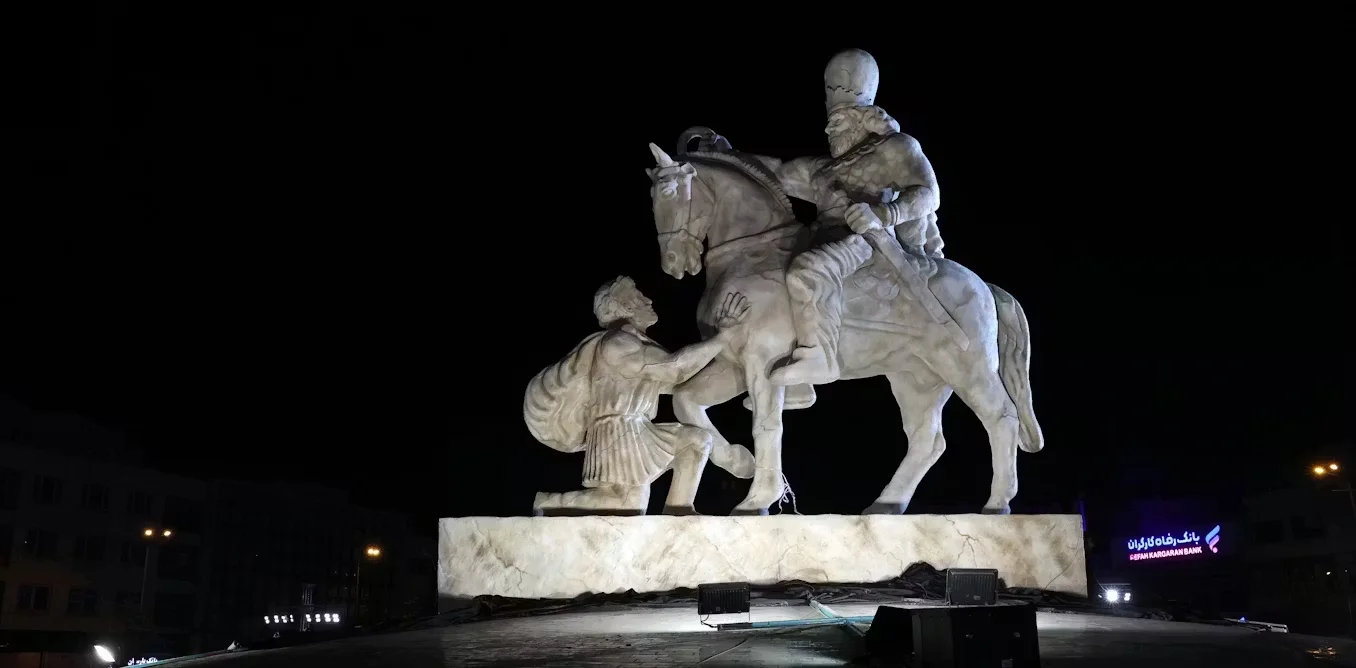
A new statue in Tehran depicts Roman Emperor Valerian kneeling before Persian King Shapur I, symbolizing Iran's historical resilience and victory over Rome, and serving as a message of defiance amid recent tensions with the West.
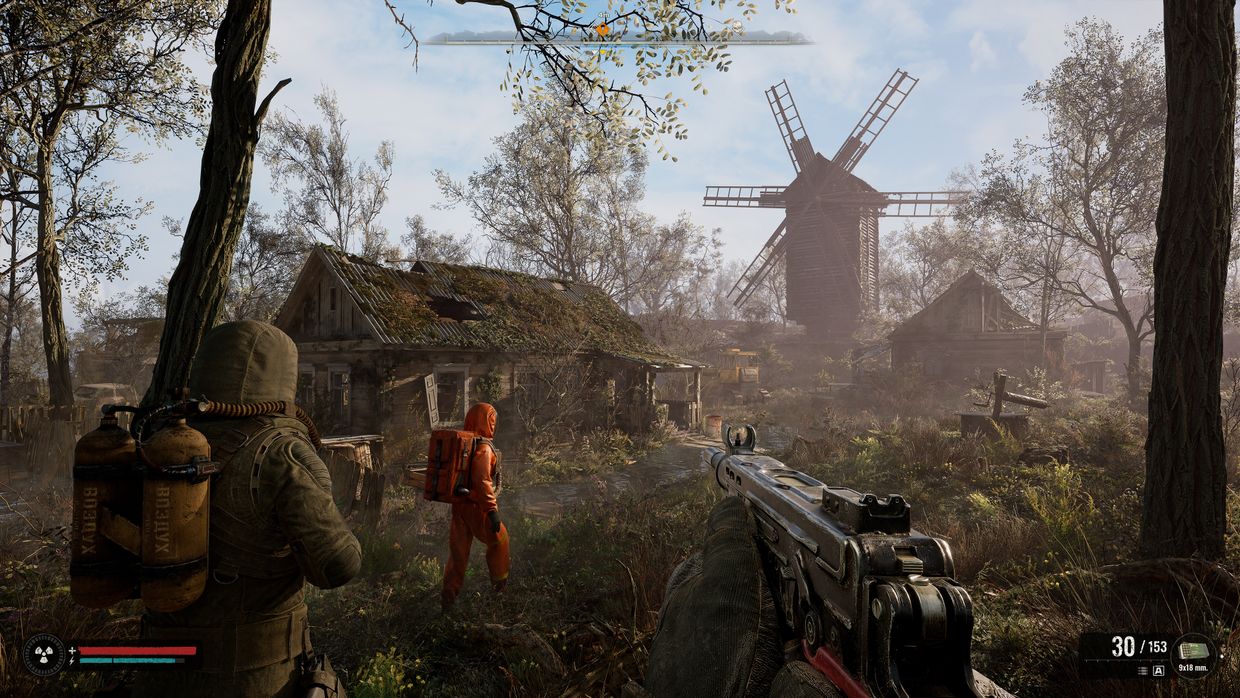
The release of "S.T.A.L.K.E.R. 2: Heart of Chornobyl," a Ukrainian-developed video game, has become a cultural phenomenon in Ukraine, especially among soldiers who find solace and national pride in playing it. The game, set in a fictionalized Chornobyl exclusion zone, resonates deeply with Ukrainian fighters, offering a virtual escape from the realities of war while honoring those who defend the country. Despite technical challenges and delays due to the ongoing conflict, the game has been embraced as a symbol of resilience and Ukrainian identity.
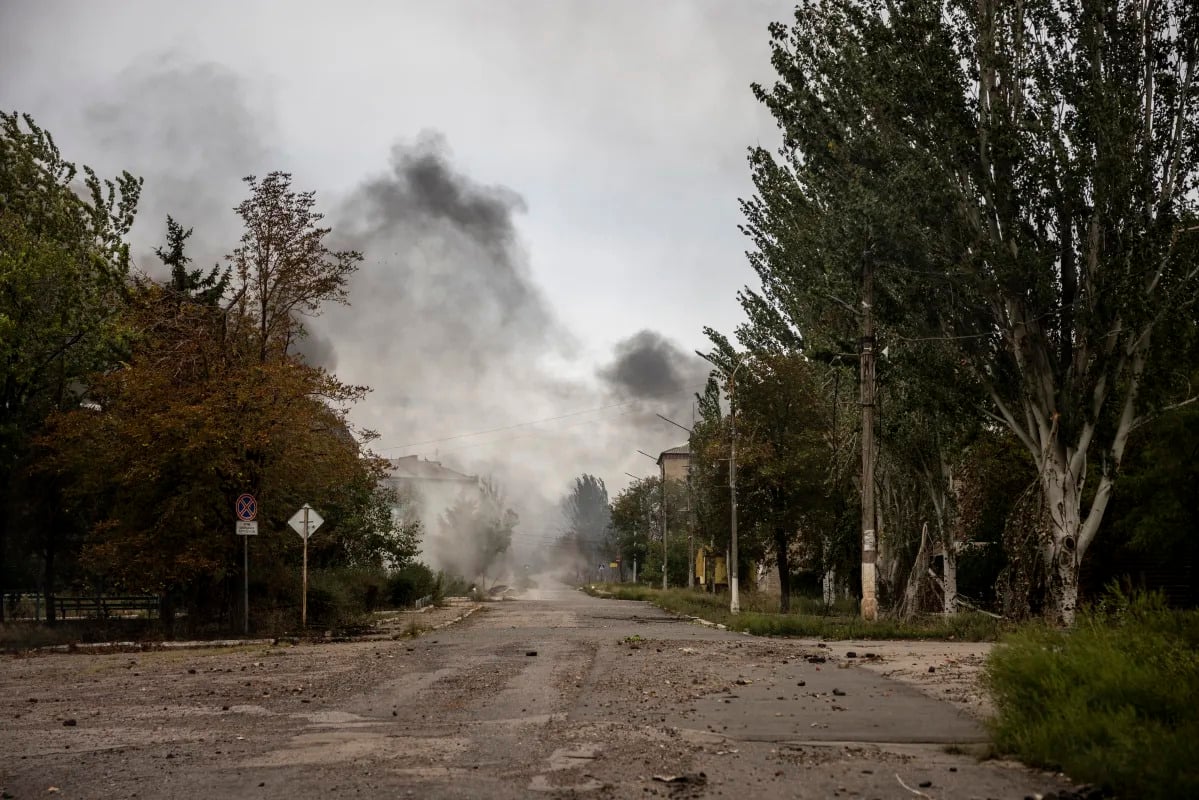
The fall of Soledar, a small town in eastern Ukraine, to Russian forces has not only devastated the country's economy but also its national pride. Soledar was home to Europe's largest salt mine, which provided over 90% of Ukraine's salt and was a symbol of the country's mineral wealth. The mine's operator, Artemsil, has now resorted to selling recovered stock within Ukraine to raise money for the war effort. The destruction of Soledar was part of Russia's broader targeting of Ukraine's economy, including its agricultural and steel industries.