
Tag

Neptunian Desert

All articles tagged with #neptunian desert

Closest ocean world on a fatal orbit: exoplanet set to be swallowed by its star
space9 days ago

Closest ocean world on a fatal orbit: exoplanet set to be swallowed by its star

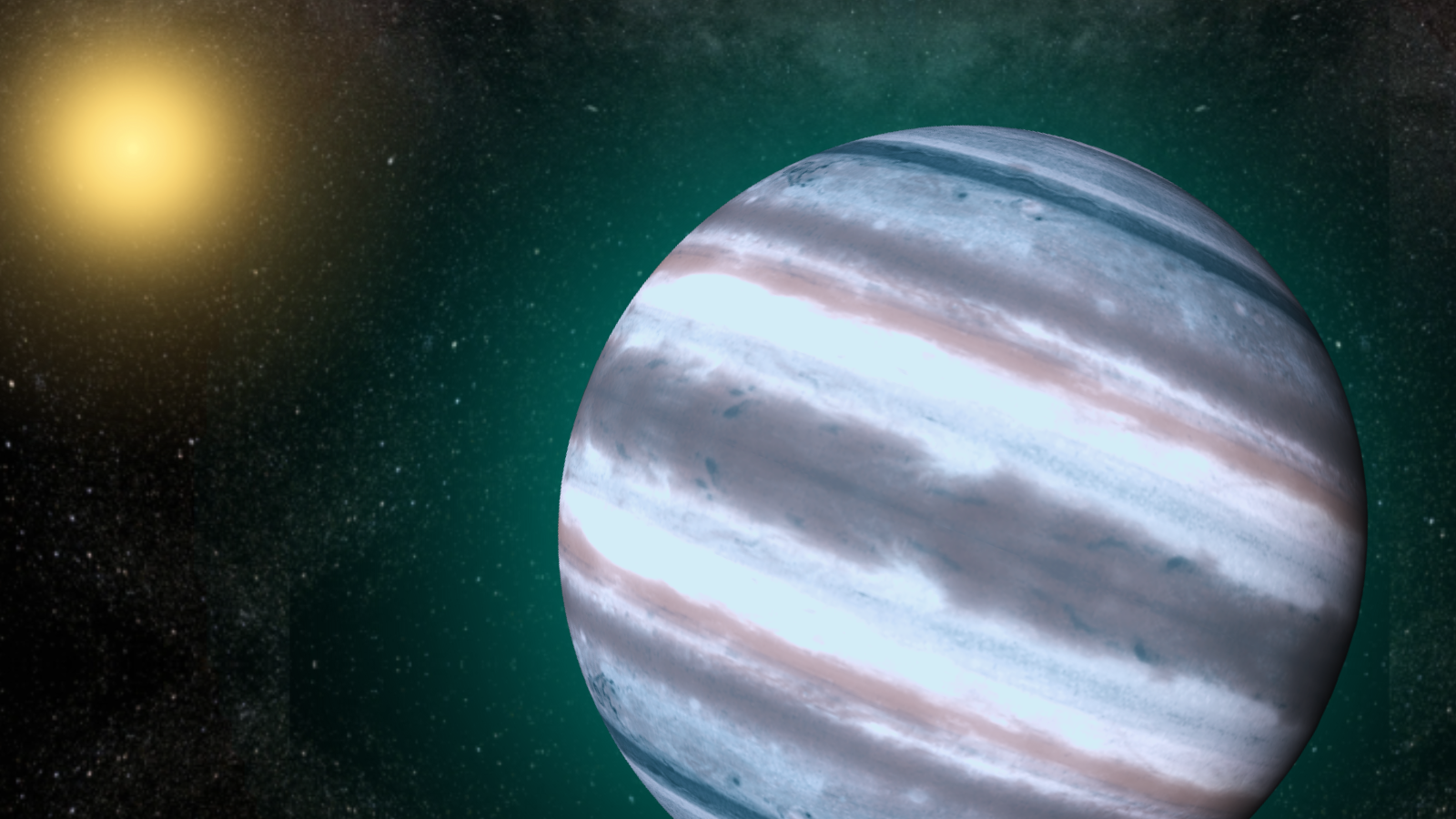
Astronomers have identified HD 176071 b, a water-rich exoplanet about 2.5 times Earth’s size (roughly 50% water) that orbits extremely close to its star, completing a 14-hour year at about 335 light-years away. Intense tidal forces keep the tidally locked world on a rapid, inexorable path toward being torn apart and swallowed by its host star. Detected not by transit but by tiny fluctuations in starlight reflected from the planet using HARPS-N, the discovery challenges expectations about Neptune-sized planets near stars (the Neptunian Desert) and demonstrates how non-transiting exoplanets can be characterized through reflected light and atmospheric dynamics. The work was published in Astronomy & Astrophysics and showcases new methods for studying distant worlds.

Scientists Seek Lost 'Hot Neptune' Exoplanets to Unravel Their Mysteries
science11 months ago

Scientists Seek Lost 'Hot Neptune' Exoplanets to Unravel Their Mysteries

Astronomers using the ATREIDES program studied the TOI-421 system, revealing a chaotic history with misaligned planetary orbits, which may explain the scarcity of hot Neptunes close to stars. The research suggests that planetary migration processes, including violent ejections, shape the distribution of Neptune-sized exoplanets and the structure of the Neptunian desert, savanna, and ridge regions.
"Remarkable Exo-Neptune Defies Expectations, Retains Atmosphere"
astronomy2 years ago

"Remarkable Exo-Neptune Defies Expectations, Retains Atmosphere"

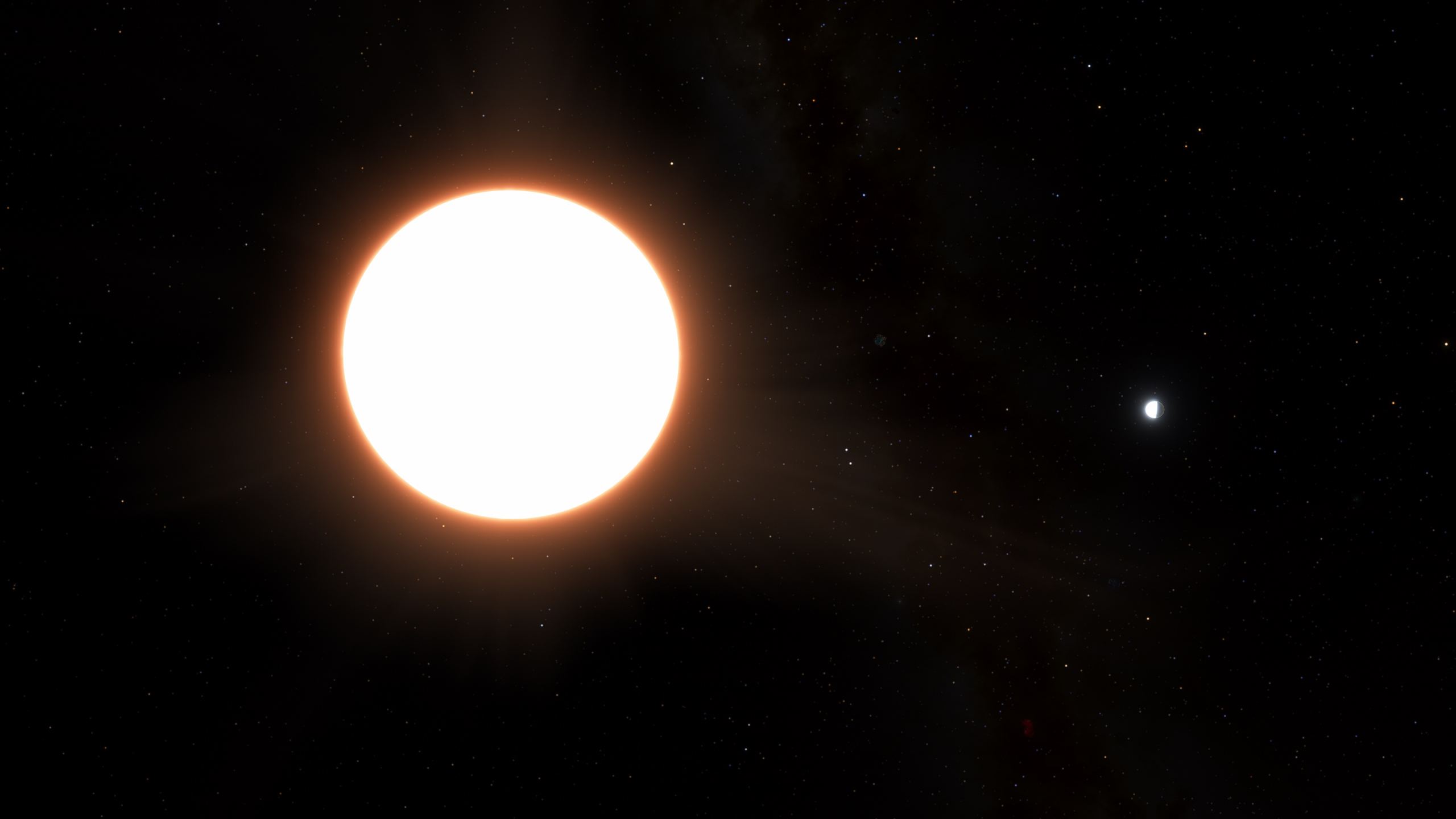
Astronomers have discovered a Neptune-type exoplanet, LTT 9779 b, that has managed to retain its atmosphere despite being located in the Neptunian Desert, where most planets lose their atmospheres due to intense radiation from their host stars. The planet's survival can be attributed to its host star's unusually low X-ray emissions, which are generated by its slow rotation. The research supports the theory that photoevaporation, driven by X-ray radiation, is responsible for the lack of Neptune-size planets in close proximity to their stars. The findings also highlight the importance of a planet's internal structure and its ability to counteract the effects of photoevaporation in determining its atmospheric retention.