MRI reveals enduring brain changes in both long COVID patients and recovered individuals
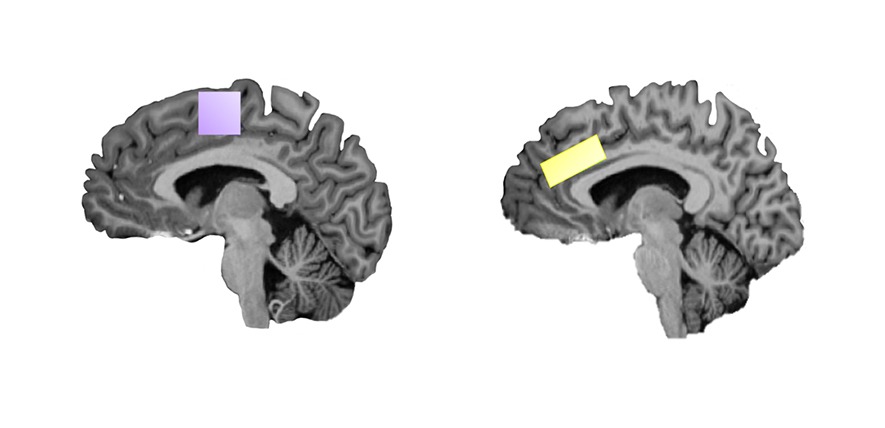
A small multimodal MRI study (47 adults) found lasting brain tissue and neurochemical changes in people with long COVID and those who recovered, compared with never-infected controls. Using myelin-sensitive imaging, diffusion MRI, and MR spectroscopy, researchers observed elevated myelin signals in several regions for both groups, with distinct patterns (higher signals in brainstem and cerebellum for the recovered group; higher signals in the precentral gyrus and middle temporal gyrus for long COVID). Diffusion reductions were noted in various regions, and neurochemical shifts differed (long COVID: higher N-acetyl-aspartate; recovered: higher glutamine). Some myelin measures correlated with physical and cognitive impairment. However, the study is small and cross-sectional, so it cannot establish causality or track changes over time; larger longitudinal work is needed to determine whether these changes are permanent or reversible.