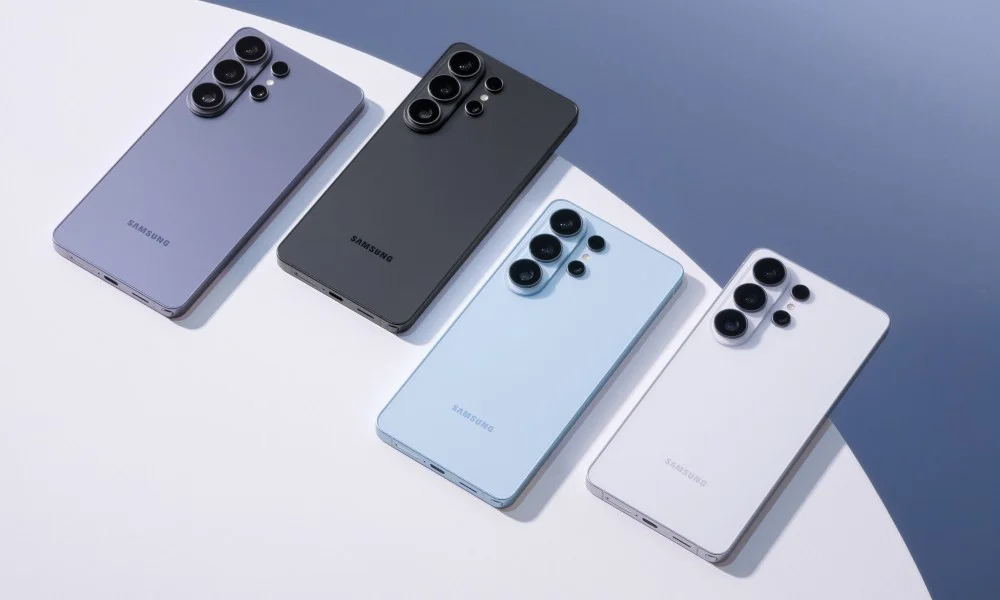
Samsung's Galaxy S26 Ultra debuts a revamped night photography system with a 200MP main sensor, 50MP telephoto, wider apertures, and AI-powered processing, enabling brighter, clearer night photos and videos and addressing Brits' frustration with low-light capture.
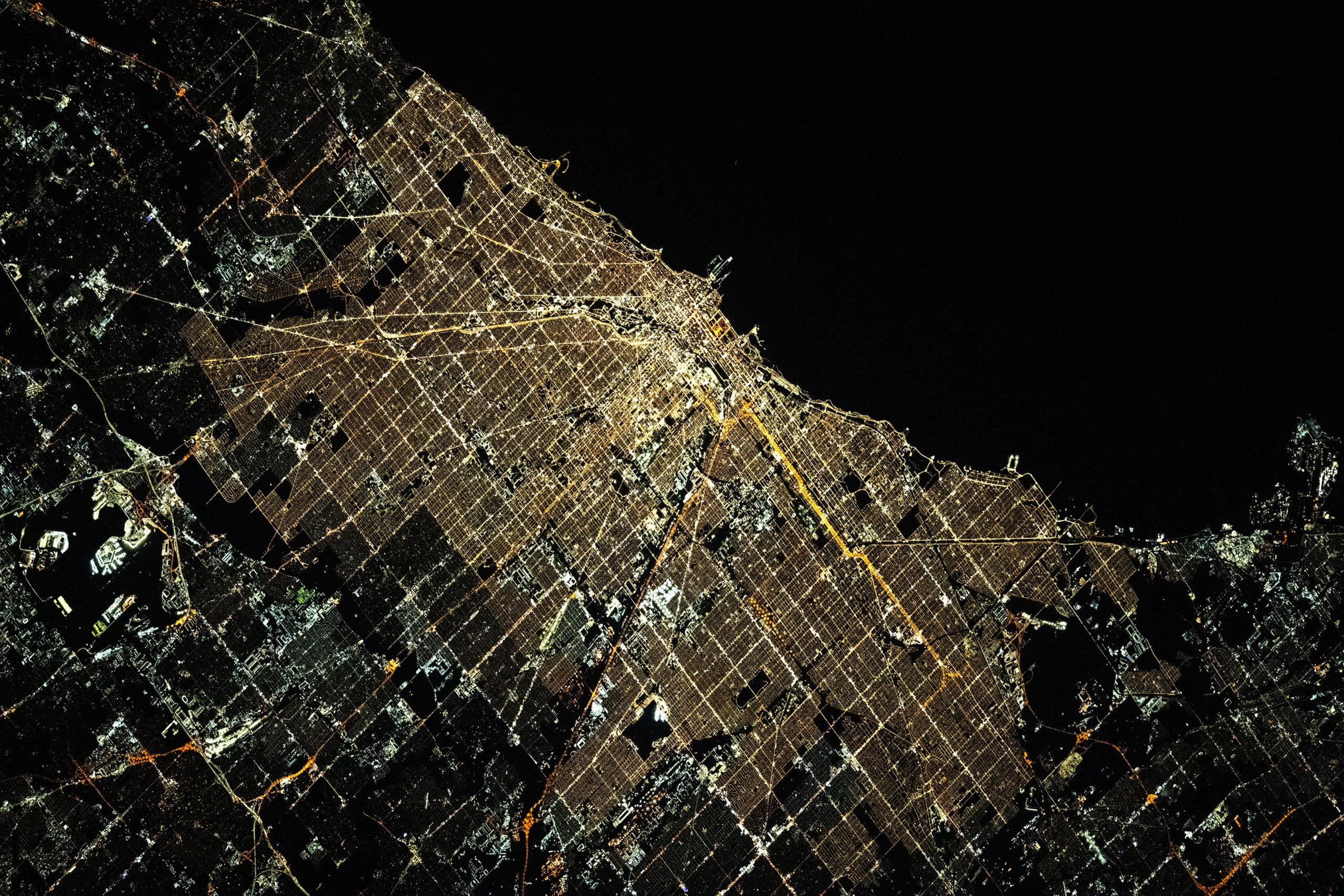
An astronaut aboard the International Space Station captured a stunning nighttime photograph of Chicago on March 1, 2024, highlighting the city's vibrant lights and historical grid layout. The image showcases the contrast between warm sodium lights and cooler LEDs, outlining major roadways and landmarks like the Navy Pier and Chicago Harbor. Dark natural spaces, such as the Chicago River and nearby parks, stand out against the illuminated urban landscape, offering a unique perspective on the city's organized growth and lighting technology.
Tech companies such as Apple, Samsung, and Google are investing resources to improve their night photography options, using AI algorithms to lighten or brighten images in dark environments. Samsung's Night mode feature, available on various Galaxy models, promises to enable phones to take clearer pictures with little light by minimizing noise through multi-frame processing and AI. Google's AI-powered Night Sight feature captures a burst of longer-exposure frames and uses HDR+ Bracketing to create several photos with different settings. Apple's Night mode turns on to capture details and brighten shots in low-light environments. Generative AI technology could eventually make night modes even more powerful.