NodThera, now rebranded as Rezera, reported that its lead NLRP3 inhibitor, ruvonoflast, met primary inflammation endpoints in a Phase 2 trial. The company plans to begin a Phase 3 study for peripheral artery disease in early 2027.
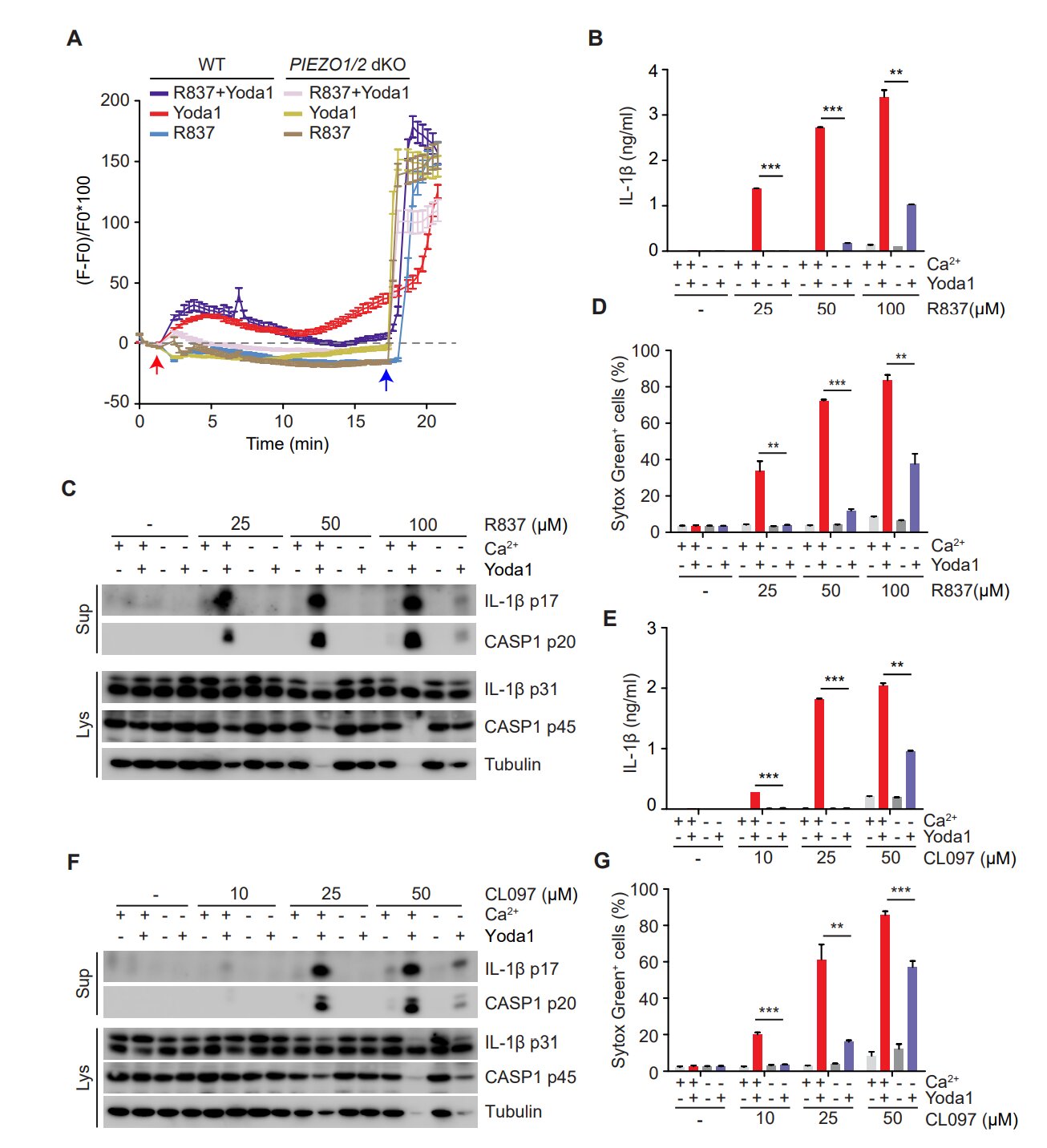
Researchers have discovered that the rare autoimmune disorder CAPS is caused by the overactivation of the NLRP3 inflammasome, which can be influenced by mechanical signaling. This condition, characterized by lifelong symptoms including rashes, joint pain, and hearing loss, has been linked to a protein complex that triggers extreme inflammatory activity. The study suggests that targeting the PIEZO/KCNN4 pathway may offer new therapeutic strategies for treating CAPS and other NLRP3-related inflammatory diseases.
A biomarker study published in Biogerontology has yielded surprising results. The study recruited 169 participants and tested various biomarkers associated with aging. The findings revealed that growth differentiation factor 15 (GDF15), a marker of stress and mitochondrial dysfunction, was significantly associated with age, with the highest levels found in the 35-50 age group. In contrast, telomerase, a commonly studied biomarker of aging, did not show significant differences between age groups. Other biomarkers such as NLRP3 and advanced glycation end-products (AGEs) showed varying associations with age. The study's findings challenge conventional knowledge and call for further investigation and replication by other research groups.