Microsoft reportedly raised Windows OEM licensing fees by 7-10% starting July, with tiered increases by CPU, prompting PC makers to push end-user prices up around 5% in Q3 amid ongoing component shortages and higher software costs.
Taiwan’s United Daily News reports Microsoft boosted Windows license fees for OEMs by about 7–10%, a sharper rise than the typical single-digit increases, a move that could be passed to consumers via higher PC prices amid ongoing RAM shortages. Consumer Windows licenses stay at $99 for Home and $199 for Pro, and Microsoft did not comment on the report.
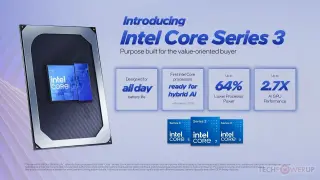
China gets the first laptops powered by Intel's Wildcat Lake Core 300 series. The entry model CHUWI UniBook starts at $449 and uses a five-core Core 3 304 with 8 GB LPDDR5X RAM and 256 GB SSD on a 14-inch 1920×1200 display. Other brands listed in JD—ASUS, HP, and Honor—offer six-core Core 5 320 setups with 16 GB LPDDR5X and 512 GB SSD, priced around $597, $571, and $662 respectively. Intel hardware combines a multi-die 18A node with NPU, Xe graphics, PCIe Gen4 support, Thunderbolt 4, and Wi‑Fi 7, targeting the entry-level PC market and competing with Apple’s MacBook Neo. Sales tax is not included.
GrapheneOS, a security-focused Android OS previously exclusive to Google Pixel devices, plans to expand support to include Snapdragon-powered devices from a major OEM, likely OnePlus, marking a significant shift in its device compatibility.
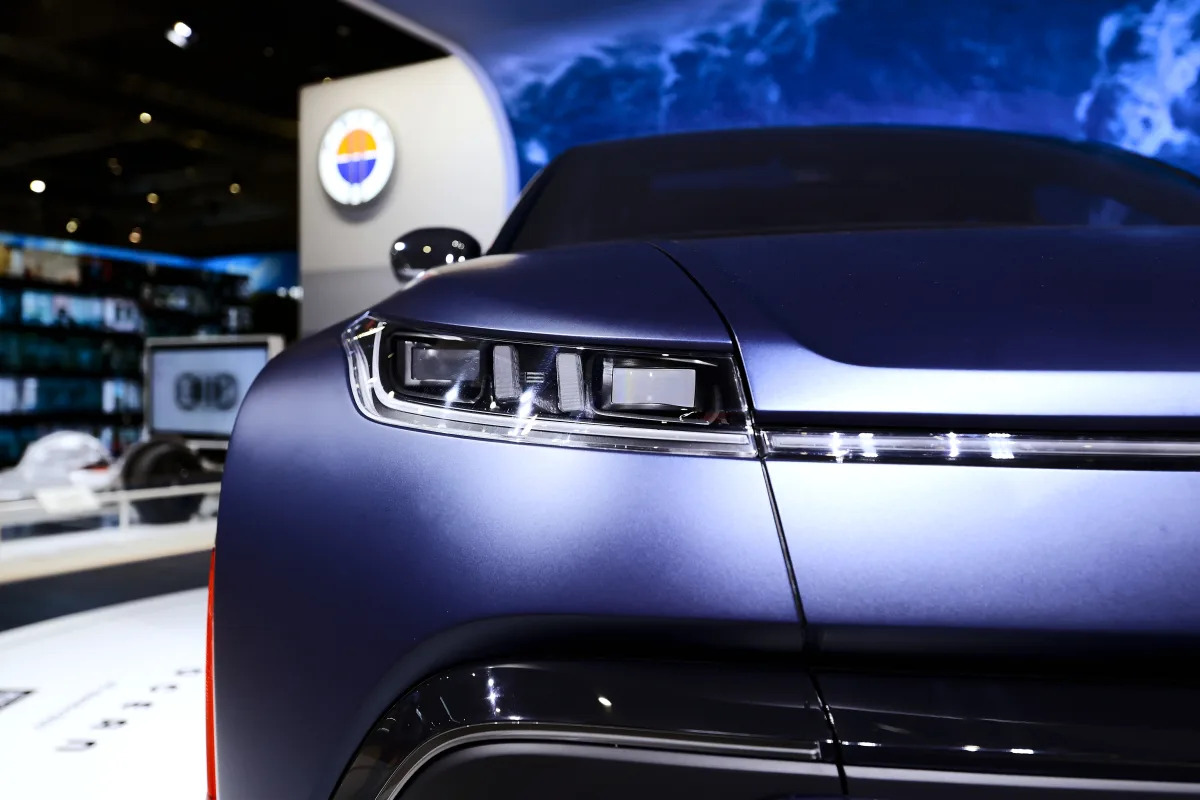
Fisker's Q4 earnings report revealed financial struggles and doubts about its ability to continue as a going concern, leading to a 34% stock tumble. The company is in talks with a note-holder for additional investment and negotiating with a large automaker for a potential transaction, while also seeking a $400 million cash injection from Nissan. Despite optimism from CEO Henrik Fisker about future sales growth and dealer partnerships, Wall Street analysts remain skeptical, with Citi analyst Itay Michaeli downgrading the stock and expressing concerns about Fisker's liquidity and poor near-term visibility.
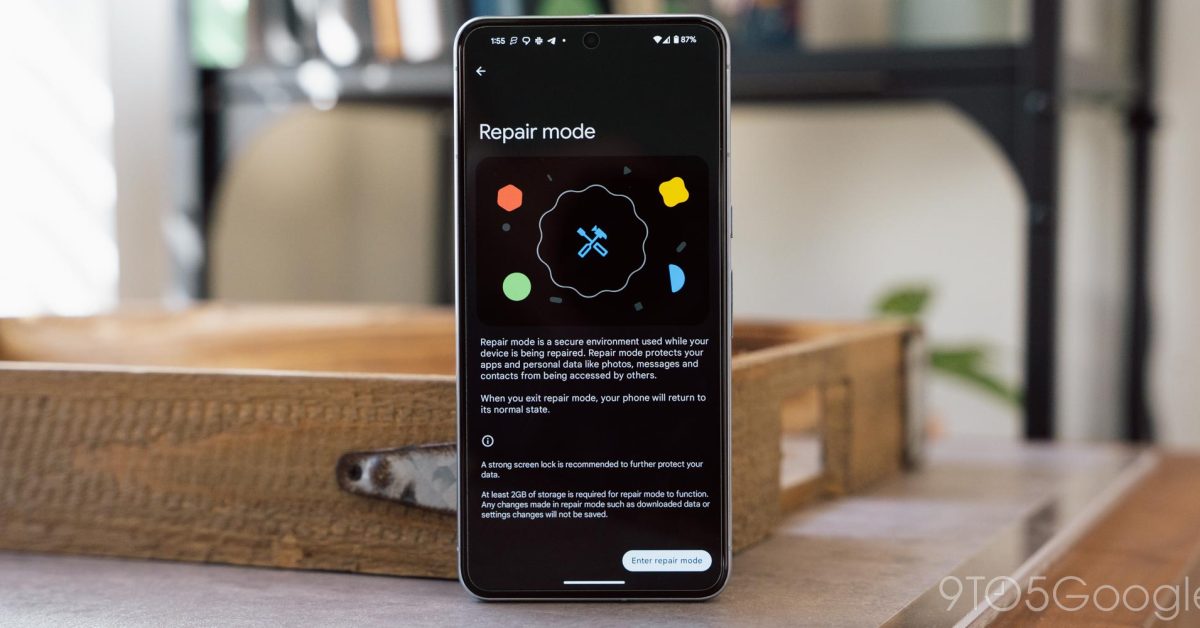
Google endorses a proposed Right to Repair bill in Oregon and advocates for "parts assemblies" over individual components to reduce the risk of improper repairs and ensure user safety. The company's white paper outlines core principles for lawmakers to consider, emphasizing the importance of empowering users to repair devices while minimizing waste. Google also opposes unfair anti-repair practices and supports standardized regulations on a country-level for repairability.
OEM tires, also known as marked tires, offer car enthusiasts the opportunity to preserve the factory driving dynamics of their vehicles. These tires are developed through a cooperative process between automakers and tire manufacturers, with engineers and testers working together to optimize the tire design for specific car models. Many drivers of performance cars tend to stick with the marked OEM tires due to their convenience and the significant impact tires have on a car's driving experience. While aftermarket tires offer more options for customization, choosing OEM tires can help maintain the original feel of the vehicle.