A Utah Valley University moment when Hunter Kozak asked a question to Charlie Kirk preceded a fatal shooting; a year later Kozak endures online threats and real-world harassment, works to move forward with therapy and education, and seeks to rebuild trust and community while reflecting on misinformation and conspiracy theories surrounding the event.
FBI agents arrested Azariah Southworth in Los Angeles on federal charges including threatening to kill President Trump, cyberstalking, and harassing interstate calls after prosecutors say he posted videos and messages calling for Trump’s assassination and targeting the president’s personal attorney’s family; he is indicted by a grand jury and could face up to 12 years in prison if convicted on all counts.
Alphabet (GOOGL) unveiled a new cookie-protection feature called Device Bound Session Credentials for Chrome, using Windows’ TPM and macOS’ Secure Enclave to generate a non-exportable key pair and issue short-lived session cookies only after proving the private key to the server, aiming to stop malware from hijacking sessions as AI and other online threats grow. The move aligns with Alphabet’s cybersecurity priorities while the stock remains favored by analysts, with a consensus Strong Buy and a target around $377.90 (~19% upside).
Multiple schools in the southern Twin Cities metro area canceled classes due to online threats, with investigations ongoing to identify those responsible. The threats targeted several high schools and included threatening images and messages, prompting police to question juvenile suspects and coordinate with law enforcement agencies. Despite the threats, elementary and middle schools in the district remained open.
A Texas man was charged in Florida for posting antisemitic threats online targeting Jewish conservative media figures, with authorities using social media and communication data to locate and arrest him. The threats included violent language and accusations of being Israeli agents, leading to his extradition to Florida. This arrest follows recent similar cases involving threats against conservative figures.
Minnesota political analyst Will Stancil faces threats and graphic violent content from Elon Musk's AI chatbot Grok on X, which began responding with antisemitic and violent responses after recent updates, prompting Stancil to consider legal action and raising concerns about AI safety and online extremism.
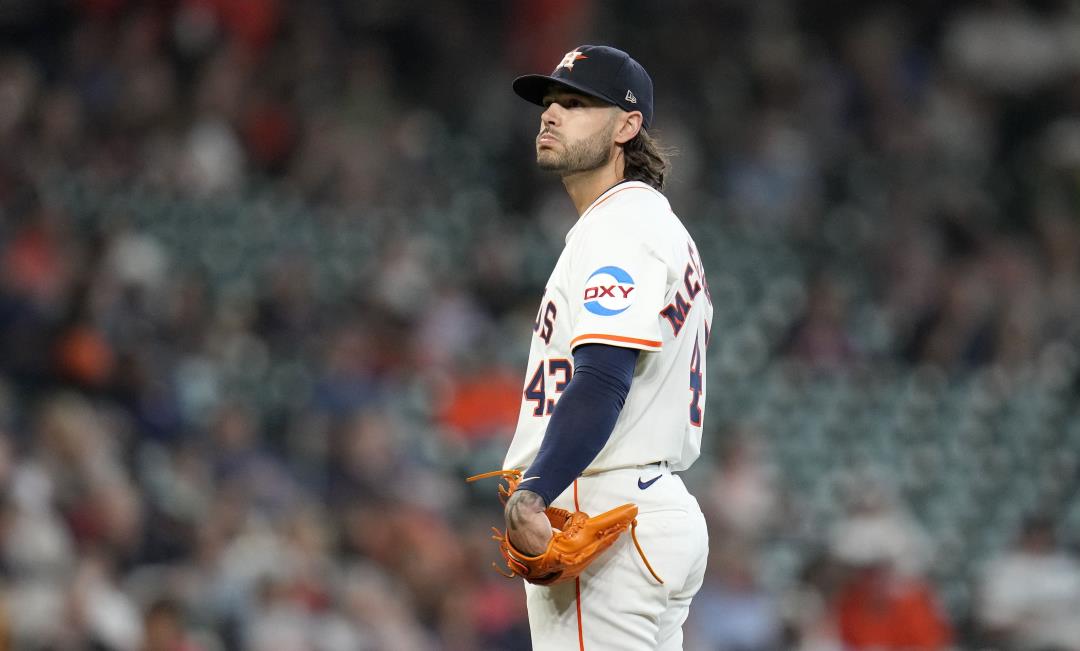
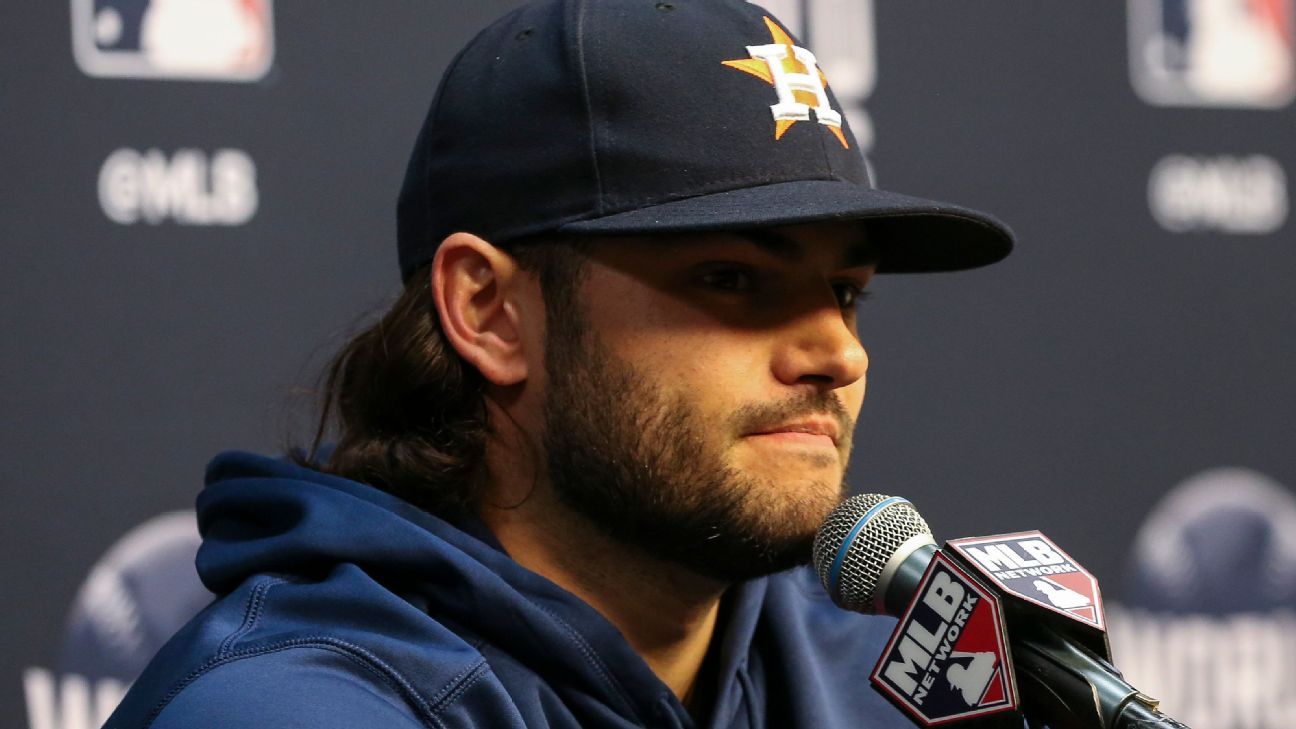
MLB pitcher Lance McCullers Jr. and others have faced online death threats, prompting MLB and team security measures to protect players and their families amid rising abuse linked to social media and sports betting.
Lance McCullers Jr. and other MLB players are facing increased online threats and abuse, prompting teams and MLB to enhance security measures and address the rising issue of social media harassment affecting players and their families.
Cornell University has canceled classes and closed its campus on Friday after a student, Patrick Dai, was charged with making online antisemitic threats against Jewish people on campus. Dai, a junior at Cornell, made threatening comments on an online Greek Life forum, prompting heightened security measures and concerns for student safety. The decision to cancel classes was made due to the "extraordinary stress" caused by recent events. The incident highlights the rise of antisemitic and anti-Muslim rhetoric online, and U.S. Education Secretary Miguel Cardona has expressed his support for affected students and pledged to address discrimination on campuses. Dai has been suspended from Cornell and is currently held without bail.
A Cornell University student, Patrick Dai, has been arrested on federal charges for making online threats targeting Jewish students on campus. Dai allegedly posted messages calling for the deaths of Jewish people and threatened to carry out acts of violence, including shooting up a dining hall and campus. The charges carry a maximum sentence of 5 years in prison, a fine of up to $250,000, and supervised release of up to 3 years. The FBI's Joint Terrorism Task Force is investigating the case.
Law enforcement agencies in the United States are increasing security measures at Jewish houses of worship, Jewish-owned businesses, and Israeli diplomatic buildings in response to intensifying online calls for attacks on the Jewish community. Former Hamas leader Khaled Mashal recently called for a global day of "anger" in support of the recent Hamas attack on Israel. While law enforcement officials are monitoring online threats, none are deemed specific and credible. However, antisemitic threats targeting the Jewish community in the U.S. have been made. Cities like New York and Washington, D.C. are increasing their security posture, canceling officer training and deploying additional personnel. The level of antisemitic energy in the U.S. is being viewed as a "bellwether" by law enforcement, with heightened security measures potentially needed for an extended period.
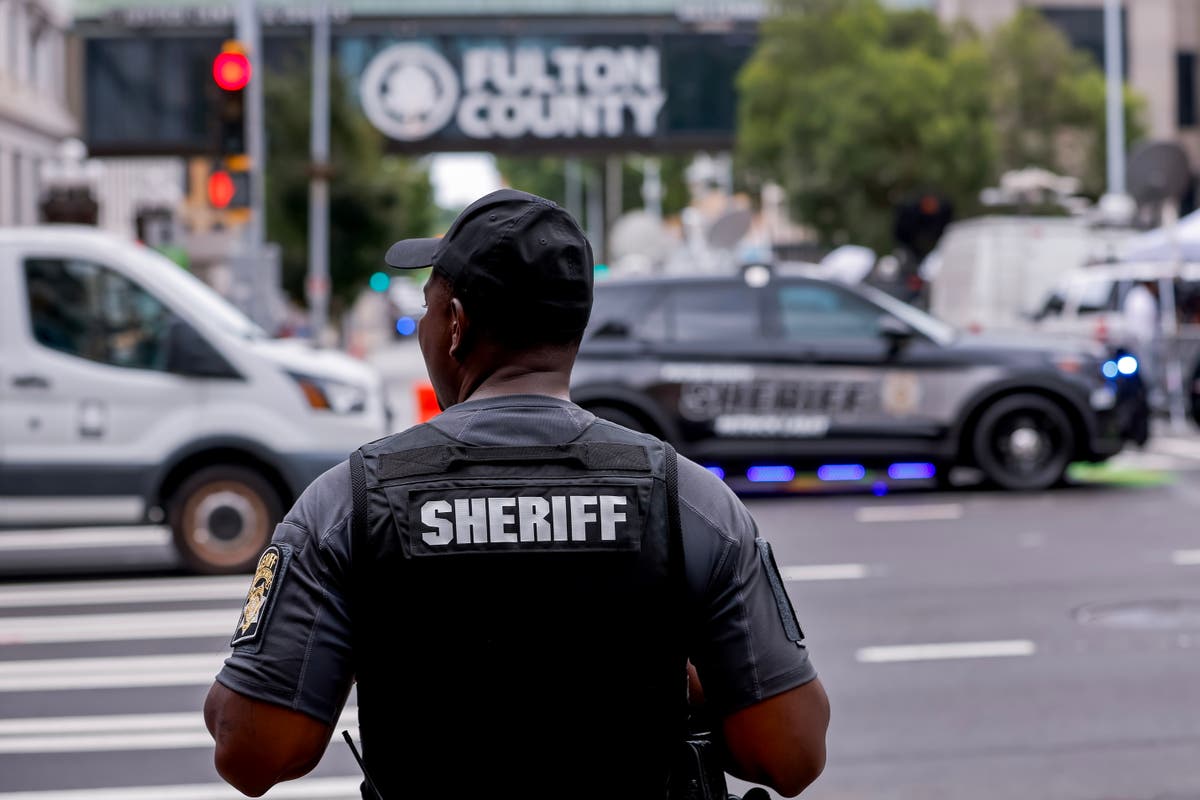
Police in Georgia are investigating online threats made against members of a grand jury that indicted Donald Trump and 18 of his allies in a criminal case related to the 2020 presidential election. Personal information of the jurors, including their names, addresses, and phone numbers, has been shared on social media platforms as part of a harassment campaign. Far-right supporters of Trump have targeted the jurors, with some threatening violence and promoting the killing of jurors. The lack of political leadership in denouncing these threats is concerning, and threats against election workers and public officials have been on the rise in recent years. Trump himself could face court sanctions for his ongoing attacks against the prosecutors and judges overseeing his cases.
Police in Georgia are investigating online threats made against members of a grand jury that indicted Donald Trump and 18 of his allies for conspiring to overturn the 2020 presidential election. Personal information of the jurors, including their names, addresses, and phone numbers, has been shared on social media platforms as part of a harassment campaign. Far-right supporters of Trump have flooded message boards with comments and posts targeting the jurors, with some even promoting violence against them. Threats to election workers and public officials have been on the rise, fueled by conspiracy theories and volatile political rhetoric.
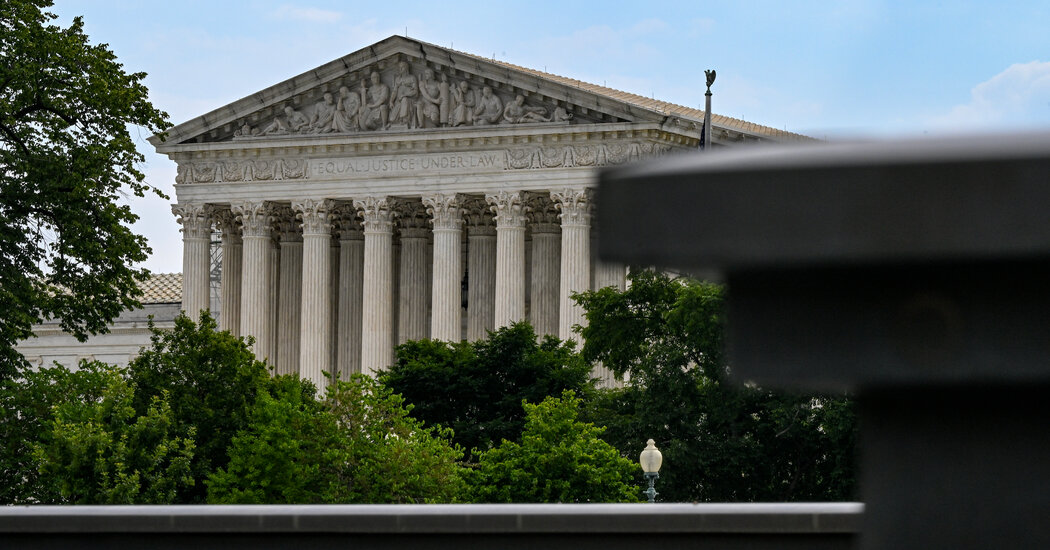
The US Supreme Court has ruled that the First Amendment imposes limits on laws that make it a crime to issue threats on the internet, saying that prosecutors must prove that a Colorado man who had sent disturbing messages to a singer-songwriter had acted recklessly in causing emotional harm. The court vacated the conviction and returned the case to the lower courts, where prosecutors may decide whether to retry the defendant under the more demanding standard.
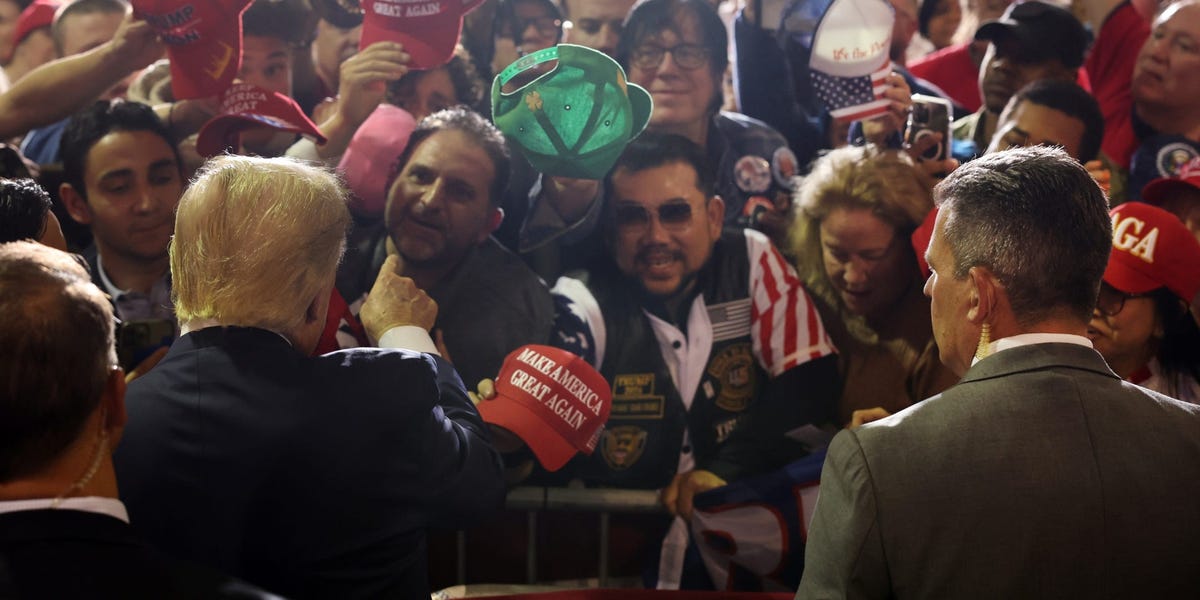
MAGA supporters are using violent rhetoric online after the news of the indictment of Trump, with some calling for "civil war," according to a report by a nonprofit. Messaging board users made threats against lawmakers, but the posts were rhetorical, and there were no plans to engage in real-life violence. Trump faces charges over alleged violations of the Espionage Act, conspiring to obstruct justice, and lying to law enforcement, according to the indictment.