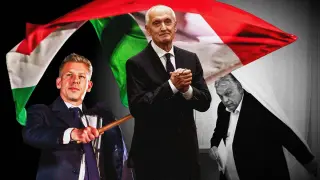
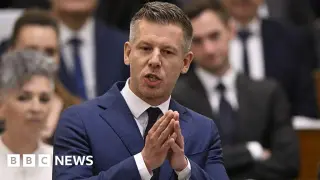
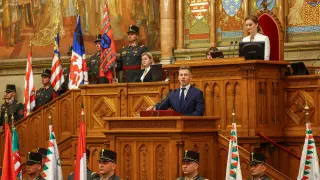
Hungary’s newly installed president is seen as a potential check on the Orbán-era dominance, signaling a possible shift in post-Orbán politics and EU relations, though real change will depend on constitutional constraints and party dynamics.
Magyar’s two-thirds victory gives him the power to dismantle Viktor Orbán’s System of National Cooperation (NER), purge key offices, curb state media, and launch anti-corruption probes, signaling a rapid reordering of Hungary’s institutions and a test for democracy and EU rule of law.
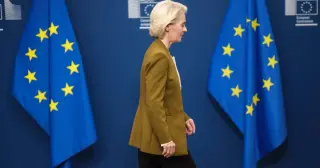
EU ambassadors are rushing to finalize the 21st Russia sanctions package now that Orbán’s blocking role has ended, but multiple measures have been watered down to protect energy, LNG, fishing, and banking interests. Greece vetoes LNG restrictions; Austria raises Raiffeisen-related delays; talks on extending the oil-price cap hinge on resolving LNG issues, and fish-import bans as well as sanctions on Kirill and former Russian soldiers have been scaled back. Despite concessions, the package would still widen SWIFT bank bans and ban more than 250 Russians from EU travel, signaling a tighter stance on Moscow even amid national carve-outs.
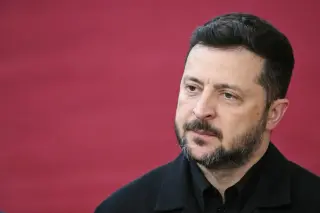
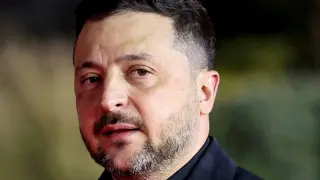
Ukrainian President Volodymyr Zelensky says Polish President Karol Nawrocki revoked Zelensky’s Order of the White Eagle for internal political rivalry, likening Nawrocki to Viktor Orbán and warning the move could damage Polish–Ukrainian relations amid tensions over historical memory and wartime solidarity.
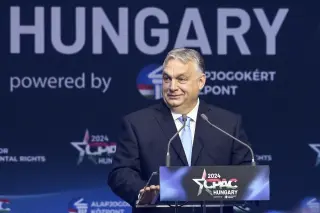
Hungary's parliament approved a constitutional amendment limiting any prime minister to eight years in office, effectively barring Viktor Orbán from returning and capping Péter Magyar’s rule to 2034. The measure passed with a two-thirds majority despite Fidesz opposition and awaits the president's signature. The amendment also scrapped the independent 'constitutional identity' watchdog and the Sovereignty Protection Office, with broader reforms tied to unlocking EU funds.
Zelensky told EU leaders that Germany’s proposal for Ukraine to join EU meetings as an 'associate' member is unfair because Kyiv would be voiceless; he urged a full, meaningful path to EU membership and cited Viktor Orban’s removal as an opportunity to accelerate accession, while thanking allies for their support.
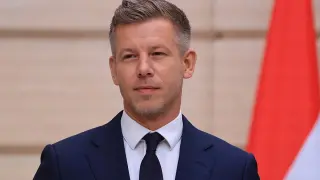
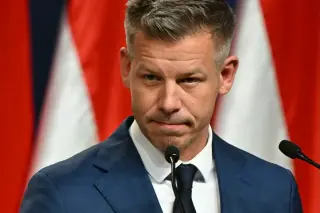
Hungary’s new prime minister Peter Magyar pledges to dismantle the Orban-era patronage network, ordering resignations of Orban-appointed figures in the judiciary and oversight bodies by May 31 and signaling constitutional changes if needed; the aim is to curb corruption and end the so-called 'opposition-proof' state. Early moves include pressure on allied figures, with reports of asylum-seeking associates like Poland’s Ziobro, and potential scrutiny of influential businessmen tied to the old regime, as Magyar and his allies seek to realign Hungary’s political and regional ties within the Visegrad framework.
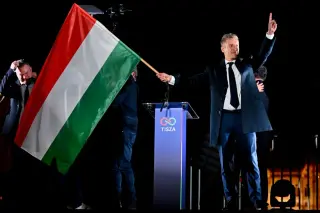
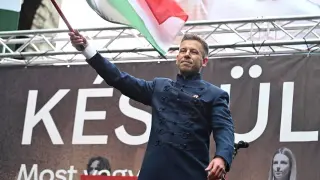
Hungary's incoming prime minister Péter Magyar, leader of the opposition Tisza Party, plans a 'regime-change celebration' as partial results indicate his bloc's parliamentary victory, signaling a transition from Viktor Orbán and prompting high-level meetings with the president and EU leaders ahead of inauguration.
Péter Magyar’s two-year nationwide campaign united Hungary’s fractured opposition and revived liberal ideals rooted in the 1848 revolution, turning the 2026 election into a referendum on Orbán’s illiberalism. By leveraging insider knowledge to preempt smear campaigns and winning a late European Parliament bid that secured about 30% of the vote, Magyar forced a single credible alternative to Orbán’s supermajority and reframed Hungarian politics around a path of liberal reform. The piece credits Magyar’s use of national symbols and liberal rhetoric to catalyze a new era, while cautioning that the victory also exposes the fragility of democracy and the ongoing challenge of sustaining a liberal future.
Following Hungary’s electoral defeat for Viktor Orbán’s party, several Fidesz-linked oligarchs are reportedly transferring tens of billions of forints abroad—via private jets and international transfers—to destinations including the UAE and the United States as a preventive shield against possible asset freezes; the move comes as the new government pledges a crackdown on corruption and some officials seek US visas, signaling a rapid scramble of wealth ahead of a likely overhaul of Hungary’s political and economic landscape.
Incoming Hungarian Prime Minister Péter Magyar accused Viktor Orbán‑connected oligarchs of siphoning billions from Hungary and fleeing abroad, with some reportedly moving assets and even children toward destinations like Dubai; he urged asset freezes and arrests as Hungary transitions from the Fidesz era and Ukraine-related EU loan dynamics unfold.
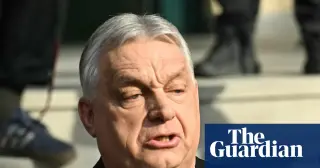
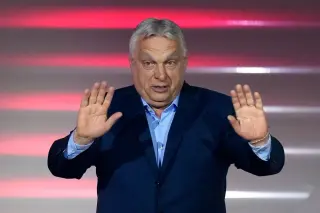
Hungary’s Prime Minister Viktor Orbán announced he will not take his seat in the National Assembly after his party lost the parliamentary election, signaling a departure from active role in the chamber following the defeat.
At the Cyprus EU summit, Viktor Orbán’s absence underscored that removing a single scapegoat doesn’t fix EU tensions; leaders remain divided on Ukraine’s sped-up membership, energy sanctions, and the bloc’s longer-term budget and direction, revealing deeper structural rifts beyond one politician.
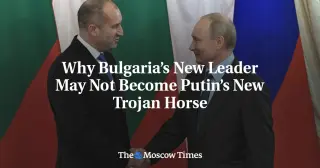
Analysts argue that Bulgaria’s new Progressive Bulgaria government under Rumen Radev is unlikely to mirror Viktor Orbán’s Hungary or become a bloc-dissenting ‘Putin’s Trojan Horse.’ EU funding and the rule-of-law framework, plus limited international alliances and ongoing domestic instability, constrain any anti-EU, pro-Russia maneuvering, making a Kremlin-style pivot unlikely in the near term despite some populist rhetoric and pockets of skepticism toward Ukraine aid.
EU leaders, freed from Viktor Orbán’s shadow, admit that Europe’s problems run deeper than any single politician, debating Ukraine’s membership, energy shocks, and a contentious long-term budget ahead of a June Brussels summit.