A 20-year-old student accidentally took two paracetamol-containing medicines, suffered multi-organ failure and needed life support, but after six weeks at King’s College Hospital he recovered enough to relearn walking and speaking and has since returned to Newport; his family raises awareness and funds for ICU.
Phil Collins recalls a life-threatening 2024 hospitalization in which alcohol-related organ failure left doctors contemplating life support; he recovered, has since stopped drinking, and continues to manage mobility issues and other health conditions while preparing for Rock Hall induction and a forthcoming Face Value box set.
A cardiologist warns hypertension often has no obvious symptoms but can quietly damage the heart, brain and kidneys. When symptoms do appear, they may include fatigue, headaches and breathlessness during exercise, but many sufferers have no clear warning signs. The takeaway is regular blood pressure monitoring and addressing lifestyle factors—nutrition, sleep, weight and activity—to prevent organ damage and reduce risks like heart attack, stroke and kidney failure.
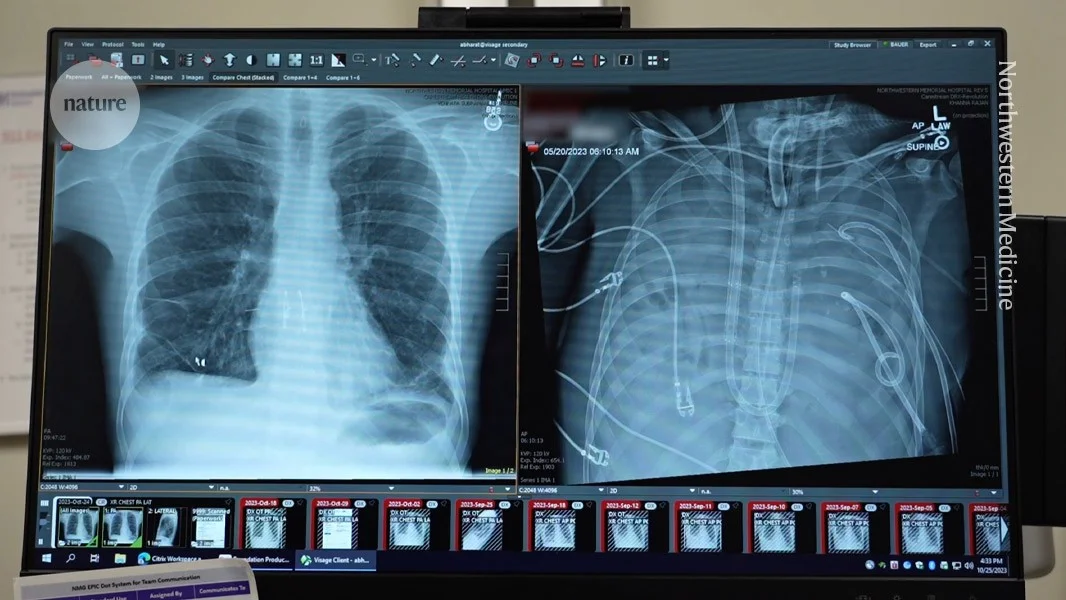
A 33-year-old man with influenza-triggered ARDS survived 48 hours on an external artificial-lung system that maintained blood flow to the heart, allowing a double lung transplant. He recovered rapidly, kidneys and heart function normalized, and years later shows no rejection, suggesting the device could help other critically ill patients awaiting transplants.
A 30-year-old man in Phoenix, Arizona, experienced severe health complications after injecting a tea made from psilocybin-containing "magic mushrooms" into his bloodstream. This unusual method of administration led to a fungal and bacterial infection, causing multisystem organ failure and acute respiratory syndrome. The patient was treated with antibiotics and antifungal drugs and placed on a ventilator. This case underscores the dangers of using psychedelics in non-prescribed ways, particularly through injection, as the man attempted to self-medicate for bipolar disorder and opioid dependence.
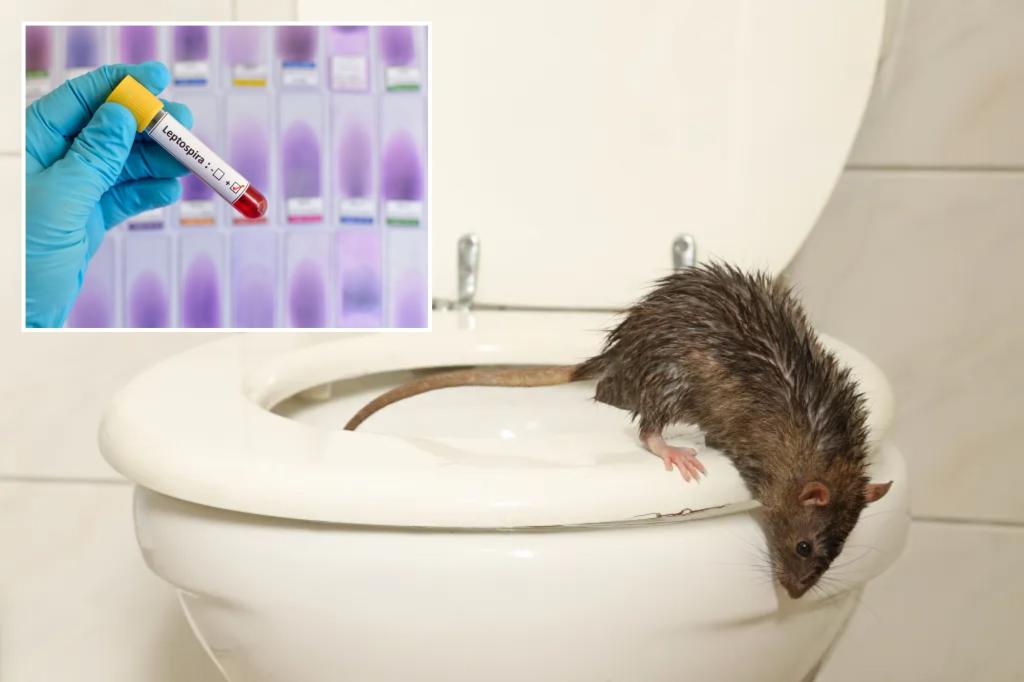
A 76-year-old Canadian man was hospitalized with organ failure and sepsis after being bitten by a rat while trying to remove it from his toilet. The bite led to a bacterial infection called leptospirosis, which can be transmitted to humans by animals like rats and can be fatal in severe cases. The man received treatment including antibiotics and steroids and was released from the intensive care unit after three days.
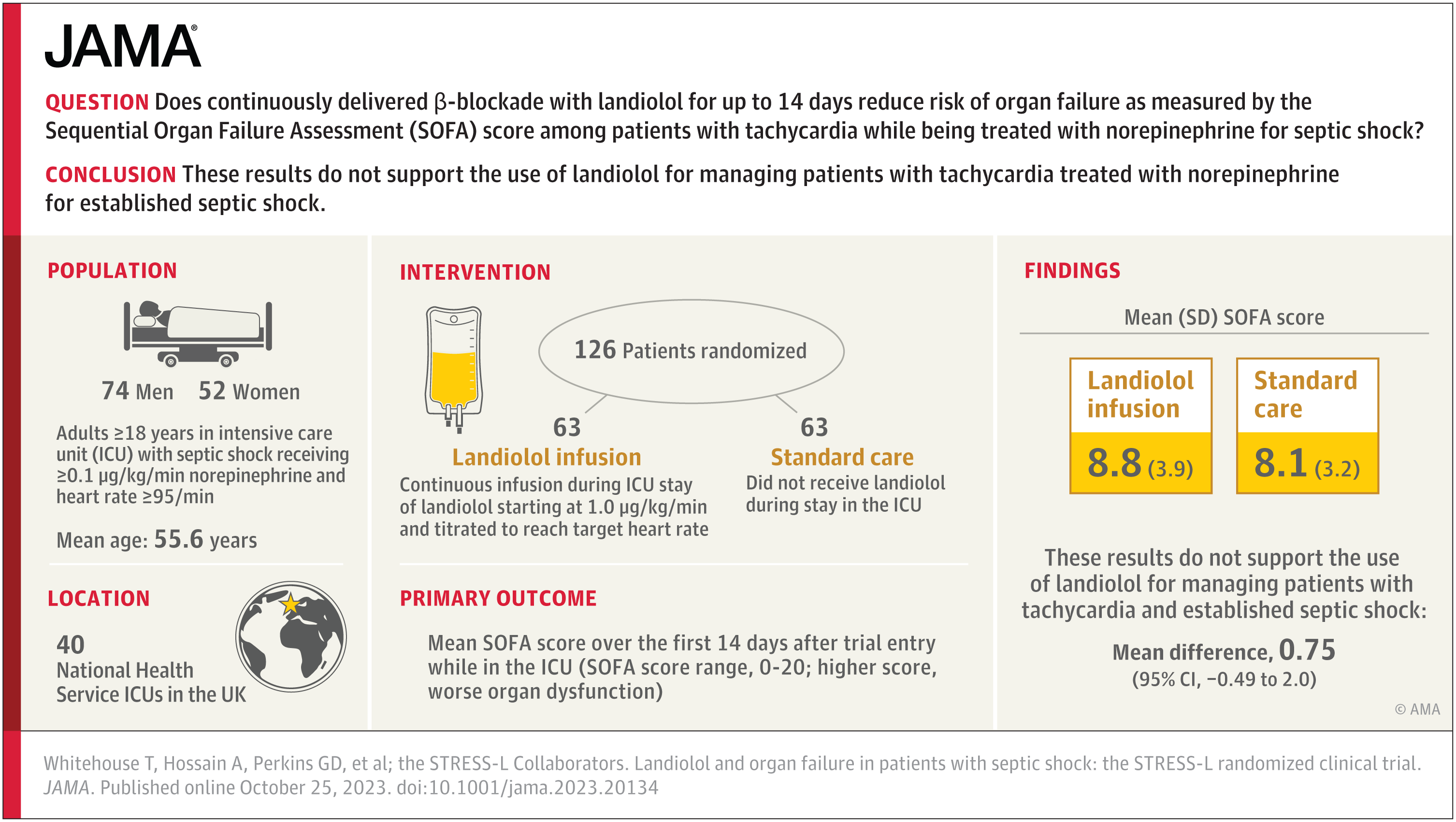
A randomized clinical trial involving 126 patients with tachycardia and established septic shock found that the administration of landiolol intravenously to reduce heart rate did not significantly decrease organ failure as measured by the Sequential Organ Failure Assessment (SOFA) score in the 14 days after randomization. The trial was terminated early due to a signal of possible harm and the results do not support the use of landiolol for managing tachycardia among patients treated with norepinephrine for established septic shock.
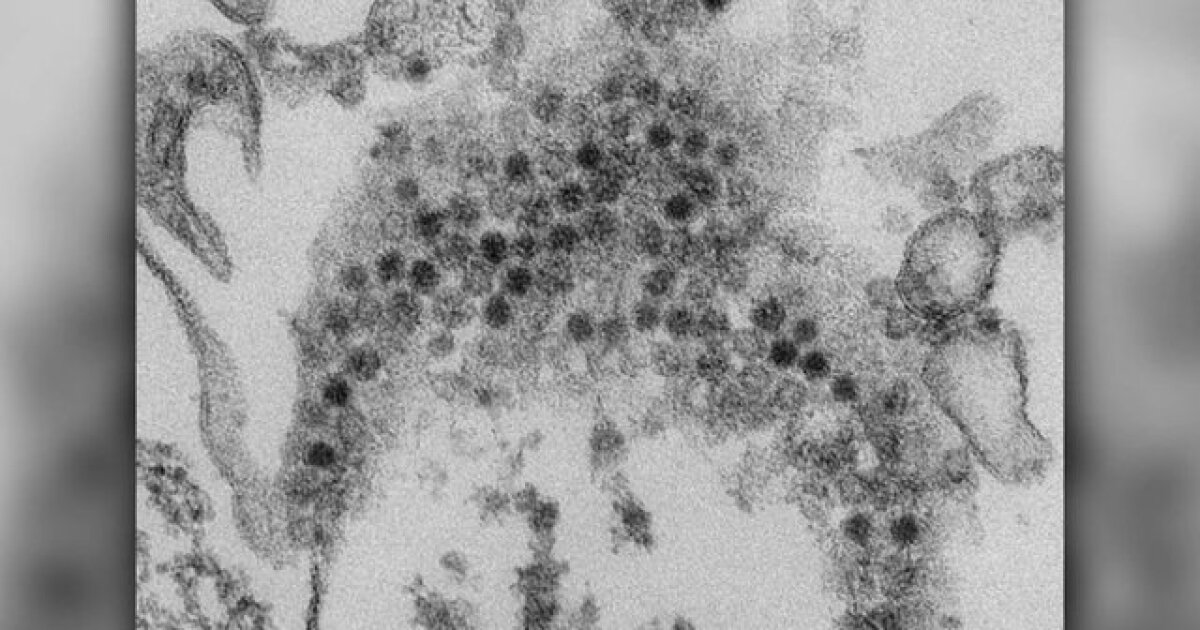
The World Health Organization has raised concerns about echovirus-11, a type of enterovirus that has caused severe illness and death among newborns in France, Italy, and the United Kingdom. Nine babies in France developed organ failure and sepsis, resulting in seven deaths. In Italy, two infants were infected, with one still in intensive care. In the UK, coxsackievirus led to severe heart inflammation in 10 babies, resulting in one death. While there has been a slight rise in enterovirus infections among children in the US, most cases have mild symptoms. Parents are advised to watch for symptoms such as trouble breathing, poor feeding, fussiness, and pale or blotchy skin in newborns and seek medical attention if concerned.
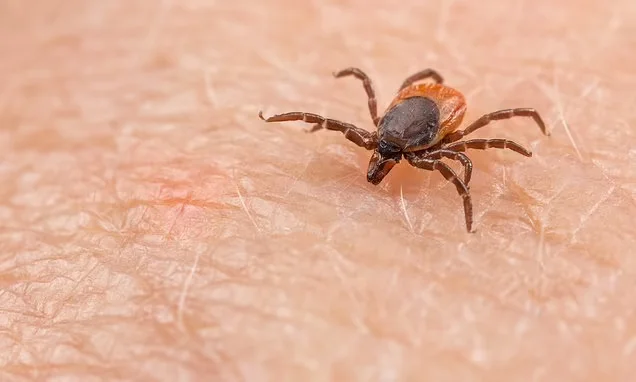
Experts are warning of a malaria-like tick-borne disease called babesiosis that kills up to 20% of people it infects. Cases have more than doubled in the US in the past decade, with infections rising across the mid-west, northeast and the west, and are most common in the summer months when ticks are active. Scientists warn many cases are likely flying under the radar because doctors don't know to test for it. The disease can also cause organ failure and an enlarged spleen and liver.