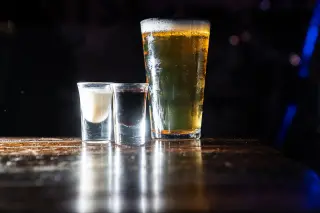
A neurologist argues that brain health depends on individual sleep needs, avoiding daily alcohol, and building cognitive reserve, rather than adhering to rigid 8-hour sleep rules.
Alcohol causes increased fatigue in older adults because aging reduces lean muscle mass and total body water, limiting the volume available for alcohol distribution. This makes the brain more sensitive to alcohol's sedating effects. Additionally, alcohol disrupts REM and deep sleep, which are already fragmented in older individuals, leading to persistent exhaustion and irritability the next day.
Recent research challenges the long-held belief that moderate alcohol consumption protects the brain. While older studies suggested a 'J-curve' where light drinkers had lower dementia risk than abstainers, experts now attribute this to socioeconomic advantages rather than the alcohol itself. Heavy drinking is confirmed to damage the brain through inflammation and vascular issues, but the exact threshold for harm remains unclear.
As people age, alcohol’s sedating effects become stronger due to shifts in body composition (less lean mass and total body water), meaning there’s less volume for alcohol to distribute in. This amplifies its impact on sleep, reducing REM and deep sleep and leaving many older adults with next‑day fatigue, irritability, and impaired concentration. Medications, sleep apnea, and other health issues can further worsen drowsiness and safety. Effects can begin earlier in life for some and worsen with age, underscoring that alcohol’s impact grows even if drinking habits stay the same.
A study in the Annals of Internal Medicine finds Americans drank slightly less after the pandemic (about a 1% drop from 2022 to 2024), though overall use remains higher than in 2018. Gen Z and Millennials led the declines, with Gen Z reducing drinking and Millennials cutting heavy drinking, but heavy drinking among adults aged 50–64 has risen since 2018. Health risks from alcohol—such as high blood pressure, stroke, liver disease (now a leading cause of liver transplants), and cancer deaths—remain a concern, particularly for older adults, signaling uneven progress across age groups.
A small observational study of 83 healthy adults found that, when combined with age, lifetime alcohol intake predicted slower manual dexterity on the Grooved Pegboard test and, for eyes-closed balance, poorer performance with higher lifetime average drinks per month. While all participants completed the eyes-open balance test, the findings suggest that even low-level drinking may relate to subtle motor declines with age. The study is limited by a modest sample and non-experimental design, so it cannot prove causation, and sex imbalance may affect generalizability; more research is needed on broader cognitive outcomes and brain markers.
An 18-year-old Cal State Fullerton student died after being dropped off at Providence St. Jude Medical Center following an off-campus fraternity function unaffiliated with the university; police say alcohol appeared to be a factor and the cause and manner of death are under investigation, with CSUF offering counseling to students.
A University of Miami study found alcohol-attributable cancer deaths in the United States nearly doubled from 11,361 in 1990 to 23,126 in 2023, with higher risk among men and people aged 55+. The research underscores alcohol's carcinogenic role by damaging DNA and increasing risks for liver, esophageal and colorectal cancers, highlighting ongoing concerns about alcohol’s health impact and potential policy implications.
A Global Burden of Disease analysis shows alcohol-attributable cancer deaths in the US more than doubled from 11,361 in 1990 to 23,126 in 2023. Among older men, liver cancer is the primary alcohol-related death; in adults 20–54, colorectal cancer is the leading alcohol-attributable cancer for men and the second for women, with breast cancer most common among women overall. The study highlights alcohol as a modifiable risk factor with low awareness, notes limitations in proving causation, and reiterates that there is no established safe drinking level.
Four people were killed and two injured when a car veered off Angeles Crest Highway near Wrightwood, ejecting five of six passengers; none wore seat belts and alcohol is suspected as a contributing factor. Victims, all from Wrightwood, include Jason Potter, 19, Nevaeh Harper, 20, and Rebekah Cabral-Gonzalez, 21; CHP continues to investigate as families set up GoFundMe campaigns.
A Global Burden of Disease 2023 analysis finds US alcohol-attributable cancer deaths rose from about 11,400 in 1990 to over 23,100 in 2023, with colorectal cancer the top alcohol-related killer among men aged 20–54 and breast cancer prominent among women in the same age range. The study shows alcohol’s cancer risk extends beyond liver cancer, even at modest intake (roughly 5–15 grams per day). Researchers emphasize reducing consumption and consider warning labels, though the dataset lacks detailed factors like race/ethnicity, which could influence risk.
A Lancet study analyzing three decades of US data shows that alcohol substantially contributes to cancer deaths, with alcohol-related mortality rising about 58% from 1990 to 2023. The risk spans multiple cancers (including breast, liver, colorectal, stomach, pancreatic, and head/neck cancers), and even one standard drink per day can raise cancer risk. While overall cancer deaths have fallen, the share attributable to alcohol has increased, prompting calls to limit consumption; industry groups dispute a blanket “no safe level” claim. The study also notes age- and sex-specific differences, with younger adults and women showing higher relative risk at lower consumption levels. The bottom-line message: reducing alcohol intake to the lowest possible level is best for health.
A United States study finds that even one standard drink per day can raise the risk of death from multiple cancers, with alcohol-attributable cancer deaths more than doubling since 1990 (from about 11,400 to 23,100 in 2023); cancers such as breast, colorectal, and esophageal are highlighted, and alcohol may promote cancer through DNA damage, inflammation, hormonal changes, and weakened cells.
Four Wrightwood residents died when a 2016 Hyundai Veloster veered off Highway 2 and crashed into a utility pole around 1:30 a.m.; alcohol is suspected as a contributing factor and none of the six passengers wore seatbelts, with five ejected and two others hospitalized in critical condition at Arrowhead Regional Medical Center.
A new study of 30+ years of Global Burden of Disease data finds US alcohol-related cancer deaths more than doubled from 1990 to 2023, with even one daily drink increasing risk across multiple cancers (breast, prostate, colorectal, liver, etc.) and older men bearing the heaviest burden; alcohol is a known carcinogen, and low levels (about 5–15 g/day) can elevate risk, underscoring calls for consumer warnings.