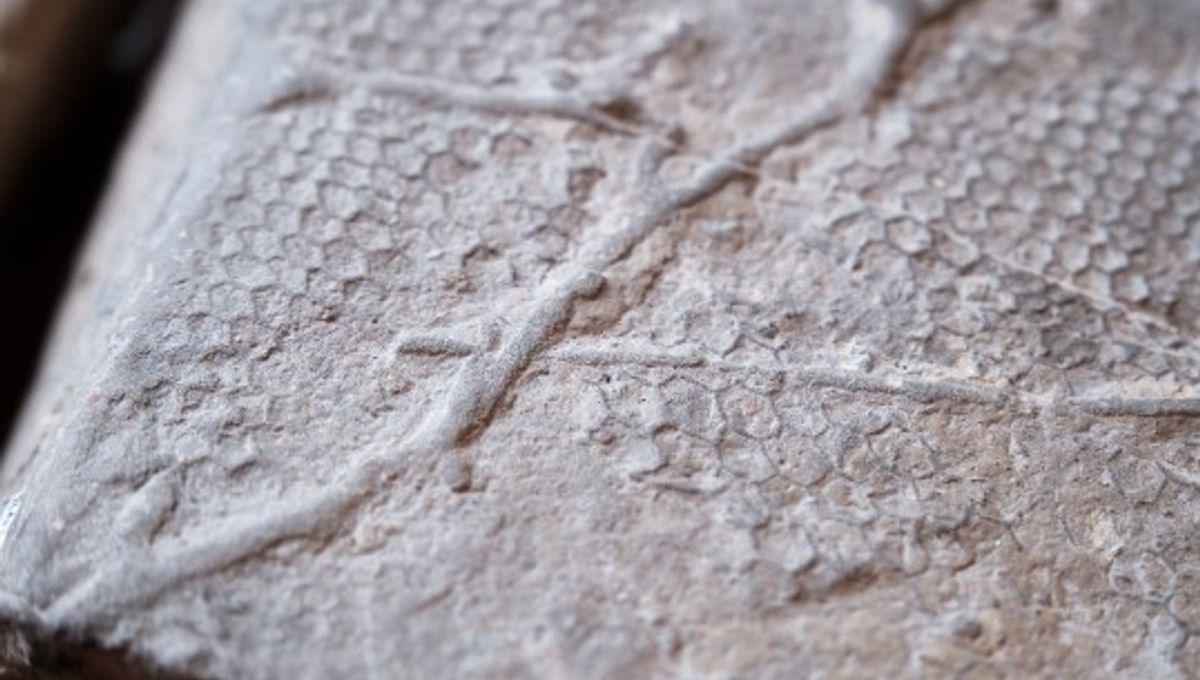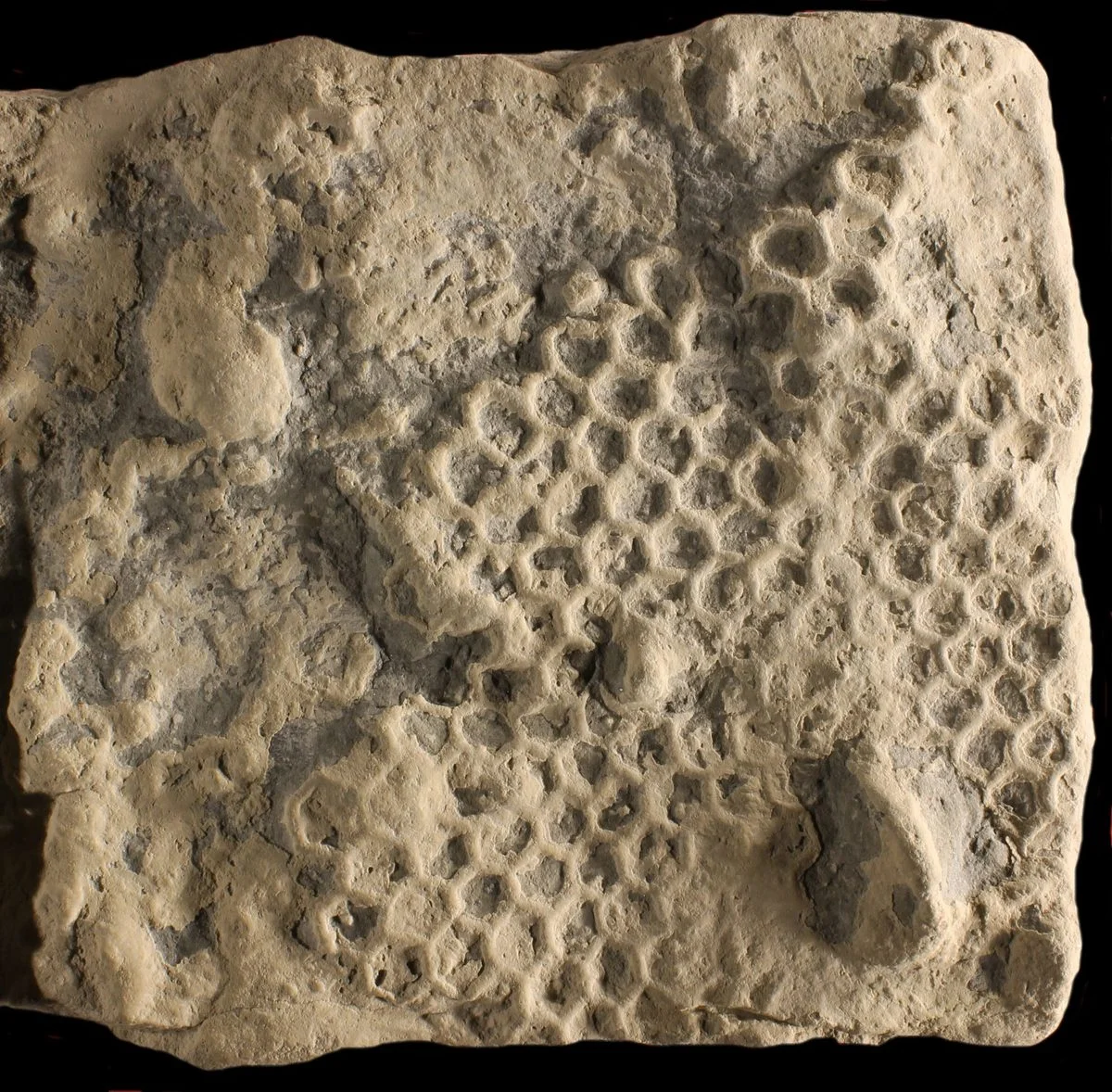
Ancient hexagonal fossils point to a tiny deep-sea crustacean as their maker
An international team led by Andrea Baucon analyzed 50 Paleodictyon fossils spanning 530 million years and identifies a small deep-sea crustacean (a peracarid arthropod) as the most plausible maker. Using six lines of evidence—morphology, stratigraphy, environment, taphonomy, tracemaker attributes, and inferred function—the researchers argue Paleodictyon likely reflects complex arthropod geometry and may have functioned as a colony-communication network, though the exact species and purpose remain unresolved.