India Uncovers Earth’s Oldest Biosignature in a 3.497-Billion-Year Rock
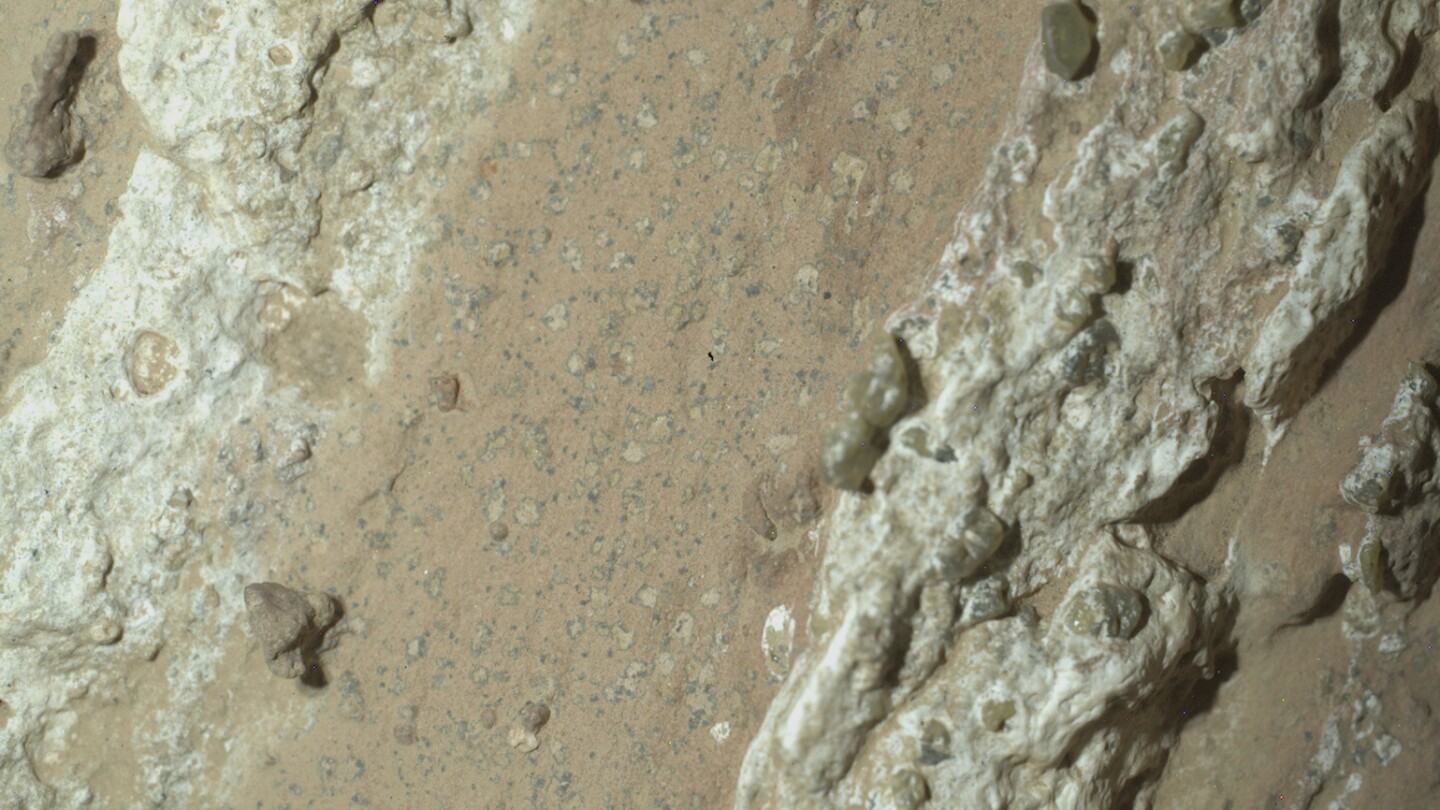
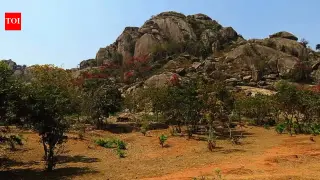
Researchers analyzing the Bhitardari chert from India's Singhbhum Craton report the oldest confirmed biosignature on Earth, dating to about 3.497 billion years ago. Using lead-isotope dating on zircon, Raman spectroscopy, and carbon-isotope analysis, the team found patterns consistent with microbial life and early metabolic pathways in a silica-rich, hydrothermal-vent environment, suggesting primitive life existed far earlier than previously known.