Tag

Arthropods

All articles tagged with #arthropods

science21 days ago

Sperm Rowers Unveiled: Cooperative Teams Are Widespread Across Arthropods

A new Nature Communications study from Syracuse University and collaborators shows that sperm often cooperate in groups (sperm conjugation) across arthropods, a pattern tracing back about 600 million years and including the ancestor of insects. The researchers mapped sperm forms on an evolutionary tree, revealing repeated gains and losses of conjugation and highlighting sperm-associated material (SAM) that helps bind sperm into clusters and may have driven the origin of this cooperation. Inside the female tract, grouping could boost movement and deliver key molecules, though observing sperm in vivo remains challenging. The work suggests considering collective sperm behavior in fertility research and notes potential pest-control applications, such as disrupting SAM in invasive lanternflies.
Ancient hexagonal fossils point to a tiny deep-sea crustacean as their maker
science28 days ago

Ancient hexagonal fossils point to a tiny deep-sea crustacean as their maker

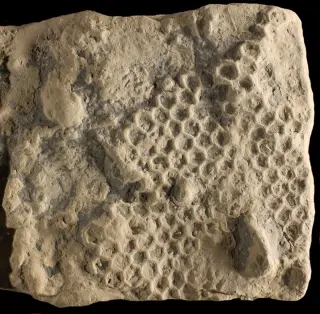
An international team led by Andrea Baucon analyzed 50 Paleodictyon fossils spanning 530 million years and identifies a small deep-sea crustacean (a peracarid arthropod) as the most plausible maker. Using six lines of evidence—morphology, stratigraphy, environment, taphonomy, tracemaker attributes, and inferred function—the researchers argue Paleodictyon likely reflects complex arthropod geometry and may have functioned as a colony-communication network, though the exact species and purpose remain unresolved.

Ancient Giant Scorpion Praearcturus gigas: the Largest Known of Its Time
science4 months ago

Ancient Giant Scorpion Praearcturus gigas: the Largest Known of Its Time

UK researchers identify Praearcturus gigas as the largest known scorpion, measuring over a meter and sporting 16 cm pincers, from Early Devonian fossils in Britain. Using CT scans and imaging, they confirm its scorpion identity and suggest it may have hunted in water and on land within a developing terrestrial ecosystem, offering insight into early arthropod evolution and the move from sea to land.

Wisconsin fossil hints land-ready legs evolved underwater long before landfall
science5 months ago

Wisconsin fossil hints land-ready legs evolved underwater long before landfall

Paleontologists describe 437-million-year-old fossils of the aquatic arthropod Waukartus muscularis from Wisconsin, showing uniramous limbs akin to land-dwelling relatives and suggesting myriapods developed many legs underwater before ever reaching land, with the loss of branched exopods occurring prior to terrestrialization and reshaping how we understand the evolution of land-walking traits.

Discover 5 Ancient Creatures Preserved in Iconic Fossil Site
science1 year ago

Discover 5 Ancient Creatures Preserved in Iconic Fossil Site

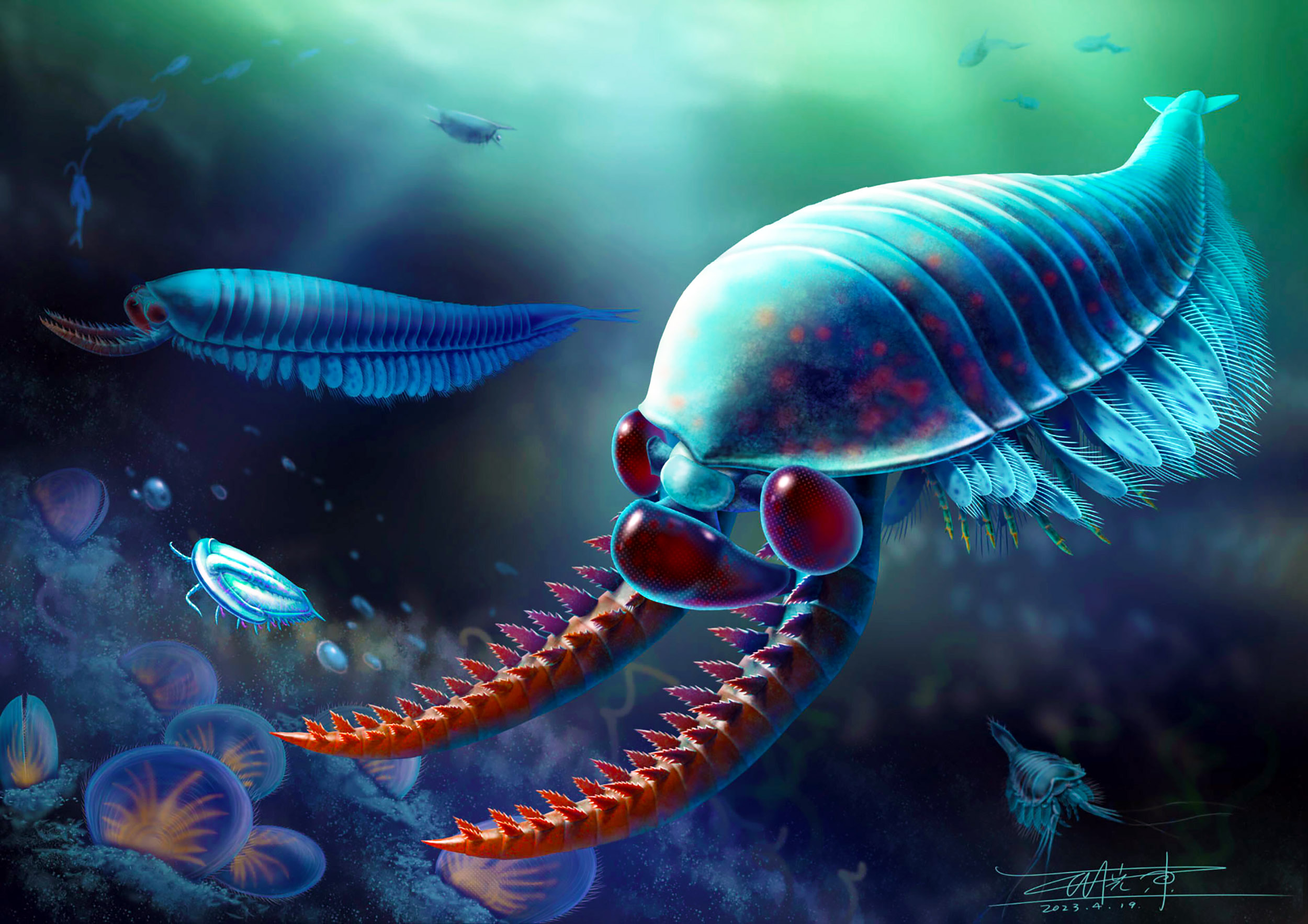
The Burgess Shale deposits in the Canadian Rockies have revealed stunningly preserved fossils of ancient creatures from the Cambrian period, including Cambroraster falcatus and Titanokorys gainesi. These early arthropods, resembling modern horseshoe crabs, highlight the diversity of life during the Cambrian explosion 500 million years ago. The site also features other bizarre ancient animals like Hallucigenia and Opabinia, showcasing the evolutionary complexity of early marine life. The preservation of these fossils is threatened by climate change.

"Ancient Ancestor of Scorpions and Spiders Unearthed"
science2 years ago

"Ancient Ancestor of Scorpions and Spiders Unearthed"

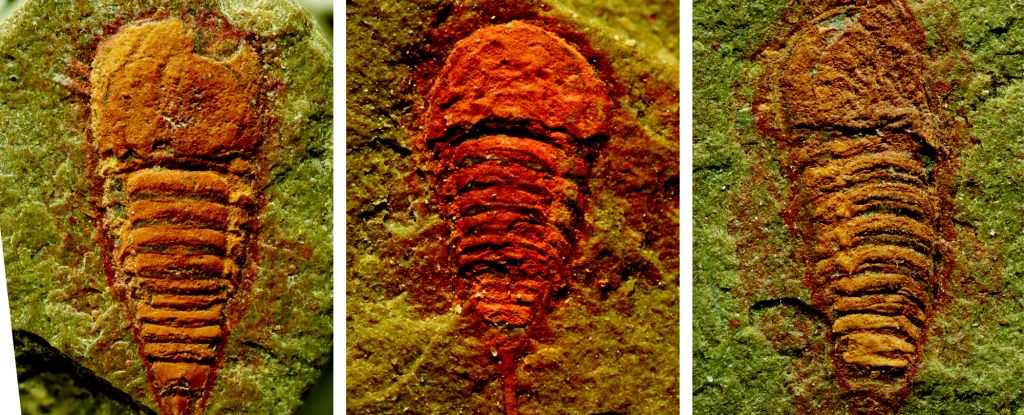
Paleontologists have identified Setapedites abundantis, a 478-million-year-old arthropod from Morocco, as the earliest known ancestor of spiders, scorpions, and horseshoe crabs. This discovery fills a significant gap in the evolutionary tree of Euchelicerata, a subgroup of arthropods. The findings, published in Nature Communications, provide new insights into the early evolution of these creatures.

"The Fascination with Ant Behavior: Why Everybody Wants to Be an Ant"
science-and-nature2 years ago

"The Fascination with Ant Behavior: Why Everybody Wants to Be an Ant"

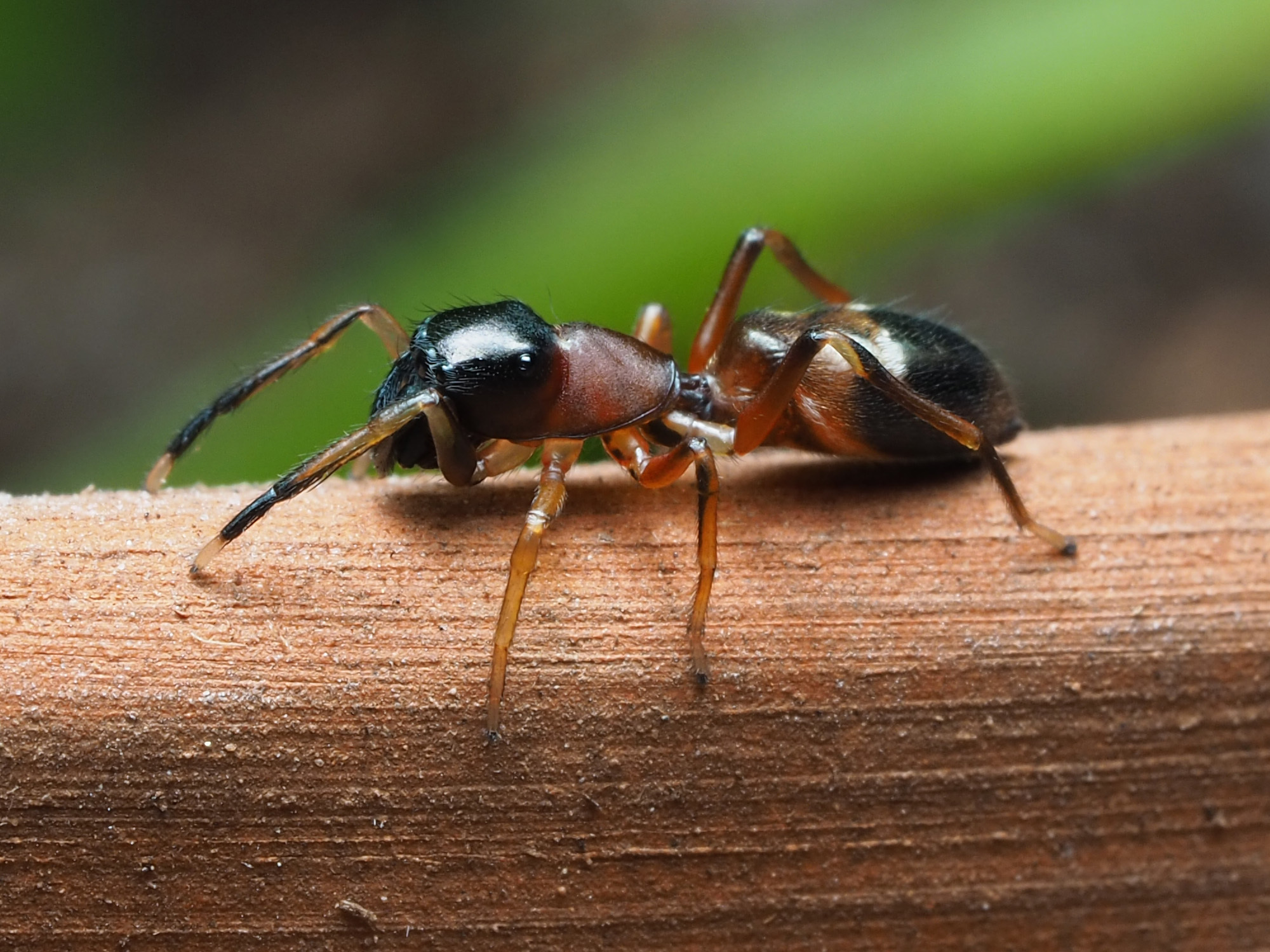
Evolution has led many arthropods to mimic ants, with over 2,000 species resembling the small, stoic marchers for survival benefits. While some mimics closely resemble ants, others are poor lookalikes, prompting scientists to explore the reasons behind imperfect impersonation. A study comparing ant-mimicking insects and spiders found that both groups exhibited a range of accuracy, challenging the theory of evolutionary constraints. The research sheds light on the complexity of mimicry and the different perspectives of predators, suggesting that what may seem like imperfect mimicry to humans could be effective in deceiving potential predators.

The Paradox of Parasites: Fueling Forest Life
science2 years ago

The Paradox of Parasites: Fueling Forest Life

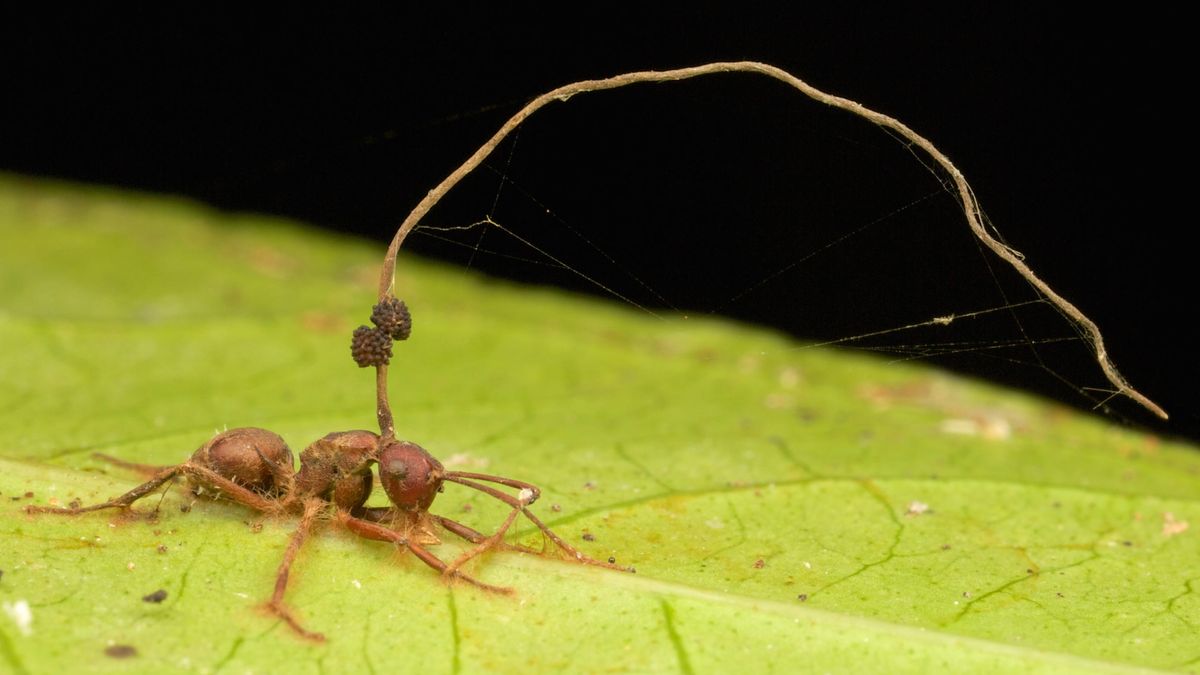
Parasitic fungi, such as the vegetable caterpillar fungus Ophiocordyceps robertsii, play a crucial role in regulating insect populations and maintaining balance in forest ecosystems. These fungi infect and consume the innards of their insect hosts, transforming them into mummified structures from which spores are released. By targeting specific arthropod species, the fungi prevent any one group from dominating and help keep ecosystems stable. Vegetable caterpillars are found in diverse habitats worldwide and have evolved various strategies to manipulate their hosts. Their parasitic nature is essential for preventing population explosions and maintaining forest dynamics.

"Jumping Spiders: The Adorable Memory Masters of Recognition"
nature2 years ago

"Jumping Spiders: The Adorable Memory Masters of Recognition"

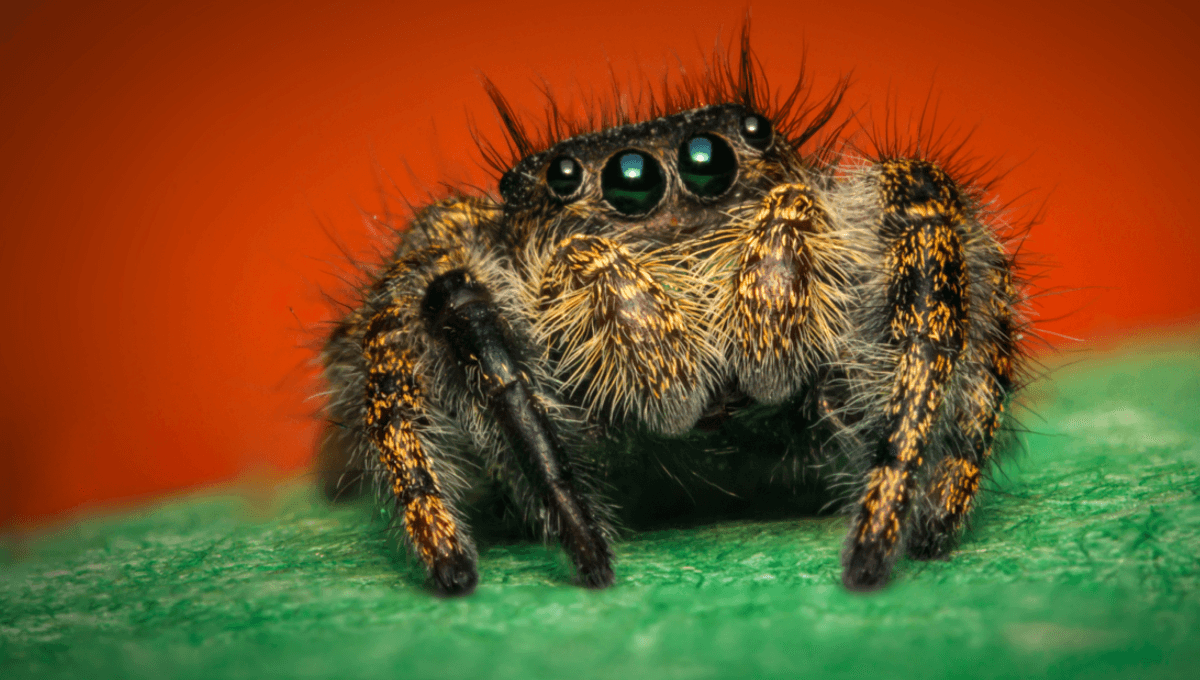
Adorable jumping spiders, typically considered asocial, have been found to recognize and remember each other. In a study on Phidippus regius, researchers observed that the spiders behaved differently towards spiders they had previously encountered compared to strangers. This individual recognition is typically associated with social animals, but the jumping spiders exhibited long-term social memory, suggesting they are capable of individual recognition. This finding adds to the growing list of surprising traits exhibited by jumping spiders, including biological motion perception and REM-like sleep behavior.

"Kylinxia: Unveiling Early Animal Evolution through a Three-Eyed Extinct Creature"
science3 years ago

"Kylinxia: Unveiling Early Animal Evolution through a Three-Eyed Extinct Creature"

Scientists have discovered an extinct creature called Kylinxia, which provides new insights into the evolution of arthropods over 500 million years ago. The fossil of Kylinxia, found in southern China, reveals a six-segmented head with three eyes and formidable limbs. This discovery challenges previous theories about the evolution of arthropod heads and suggests that living arthropods inherited a six-segmented head from an ancestor over 500 million years ago. Arthropods, including insects, arachnids, crustaceans, and myriapods, are a diverse and dominant group in the animal kingdom, playing vital ecological roles.