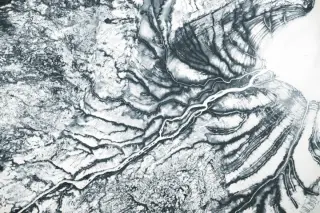
A March 26, 2026 NASA ISS image of the James Bay Lowlands shows land rebounding after the Laurentide Ice Sheet, with beach ridges forming along the shore, vast peat bogs, and other glacial features as the surface rises about 10 mm per year near Hudson Bay and sea ice breaks up in late spring.
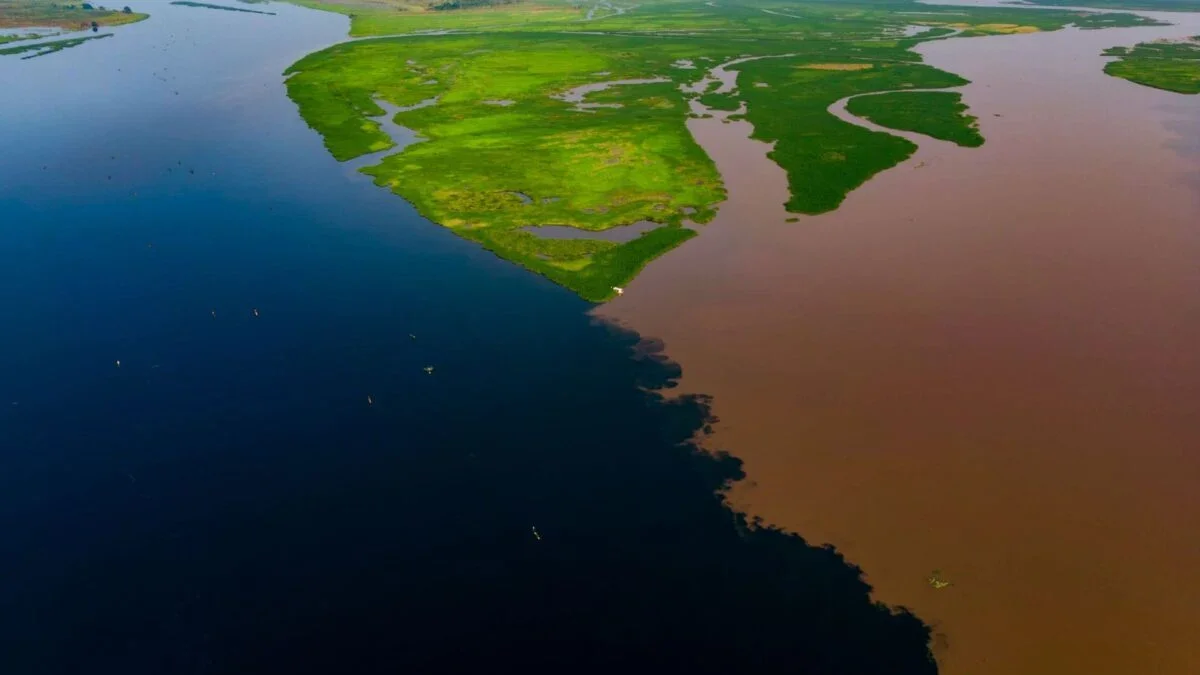
A Nature Geoscience study finds two Congo Basin lakes, Mai Ndombe and Lac Tumba, releasing carbon from ancient peat, challenging the idea that the region is a strict carbon sink. About 39–40% of the lakes’ carbon comes from peat, with Mai Ndombe potentially emitting more than 150 gigatons of ancient carbon annually. Microbial activity may convert peat carbon to methane that then becomes CO2, and warming or land-use changes could accelerate release. The basin’s peatlands cover only about 0.3% of Earth's land surface but hold roughly 30 billion tonnes of carbon—one-third of tropical peatland carbon—raising concerns about a climate feedback loop unless the carbon budget can be better constrained; researchers plan further work to understand mechanisms and the 12,000-year history of these emissions.
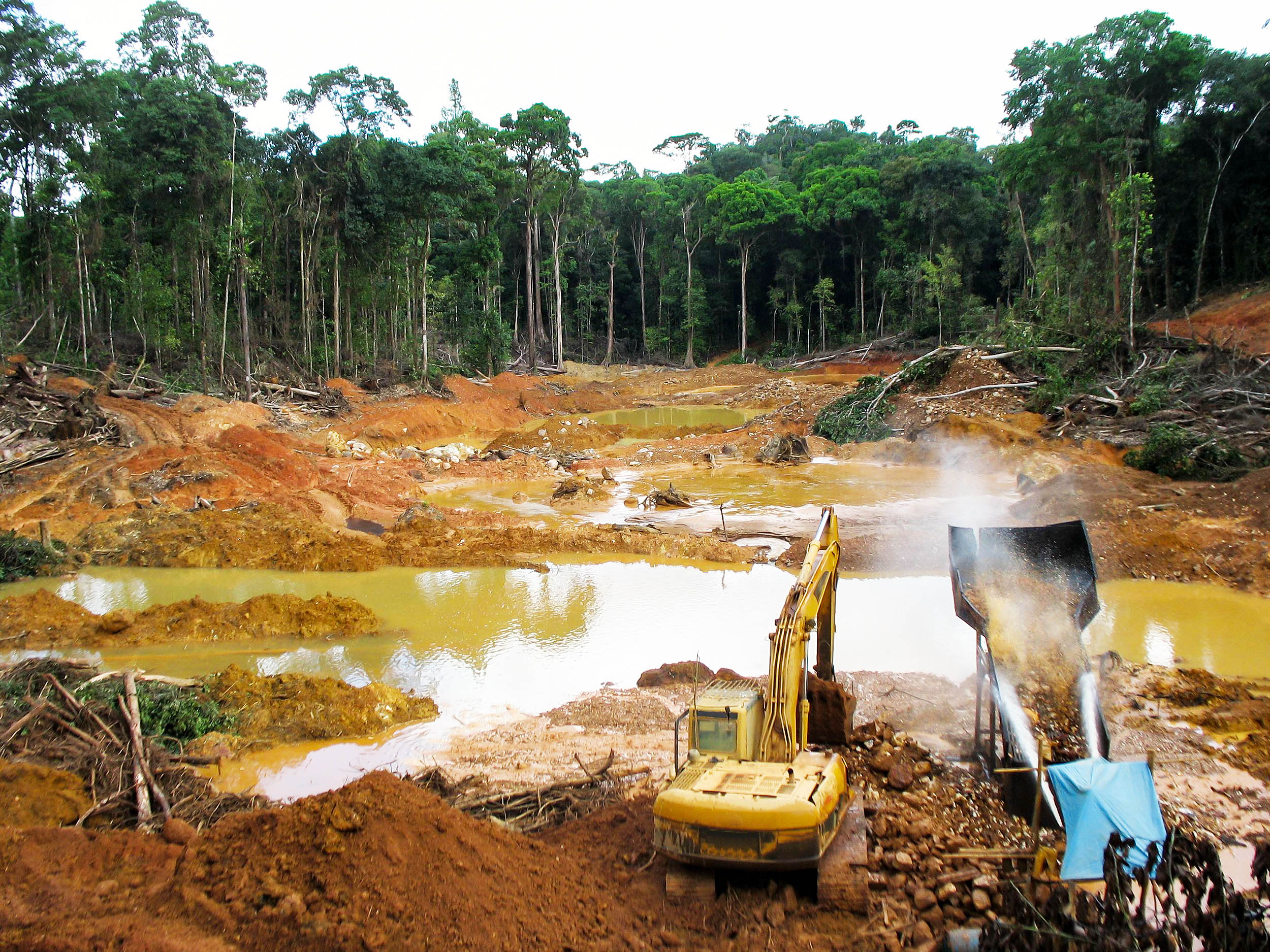
Gold mining in Peru's Amazon is rapidly destroying peatlands, which are crucial carbon sinks, leading to significant releases of stored carbon and threatening biodiversity, with potential emissions reaching millions of tons if current trends continue.
In Germany, the government is working to convert farmland back into wetlands to reduce carbon emissions from drained peatlands, which release significant amounts of carbon dioxide when dry. This initiative involves reintroducing water to these lands, which naturally store more carbon than forests. However, challenges arise as most peatlands are privately owned by farmers who rely on them for income. Solutions include compensating farmers for land use changes or finding ways to farm on wetland conditions. This approach is seen as crucial for Germany to meet its climate goals.
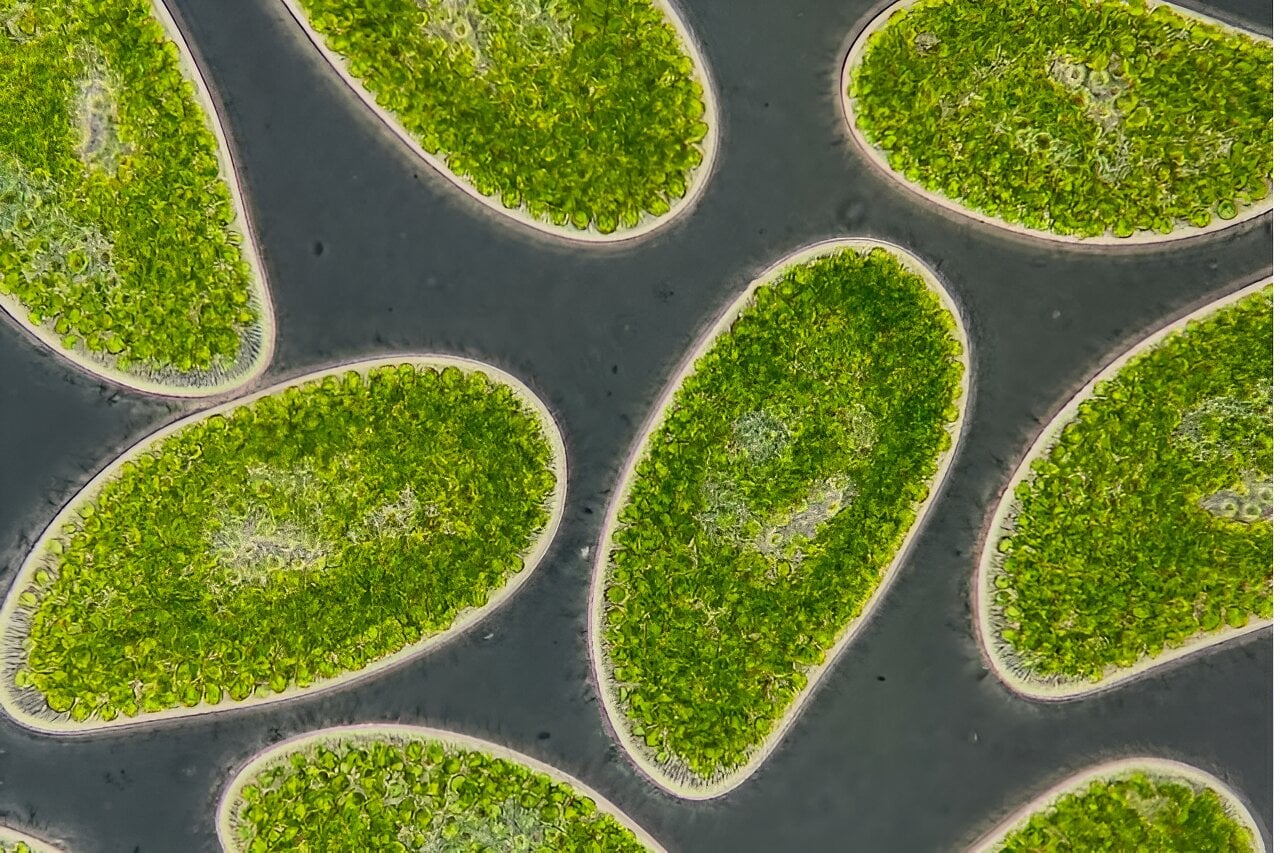
A study suggests that climate change is affecting the microbial food web in peatlands, potentially impacting their ability to store carbon. The research found that rising temperatures and elevated CO2 levels led to changes in the abundance and behavior of protists, tiny organisms that play a role in the movement of carbon in peatlands. These changes could have significant implications for the future of peatlands as carbon sinks and need to be considered in models predicting future warming.