
Tag

Plant Insect Interactions

All articles tagged with #plant insect interactions

Backyard discovery rewrites biology: ants, wasps, and oaks reveal a hidden alliance
science26 days ago

Backyard discovery rewrites biology: ants, wasps, and oaks reveal a hidden alliance

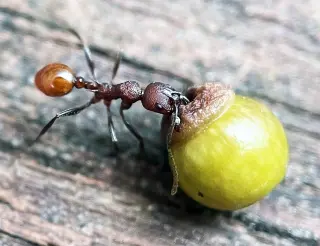
Eight-year-old Hugo Deans spotted BB-sized galls near an ant nest in his backyard, prompting researchers to test whether ants disperse galls the way they disperse seeds. Field and lab experiments showed ants are drawn to the galls' kapéllo caps, which carry fatty acids similar to seed elaiosomes, revealing a three-way interaction among oaks, cynipid wasps, and ants. The result suggests ants can transport galls, highlighting a nuanced signaling network in nature and potentially upending textbook views of plant–insect relationships and forest dynamics.
The living trap: how ants and fungus rig a plant to catch prey
science4 months ago

The living trap: how ants and fungus rig a plant to catch prey

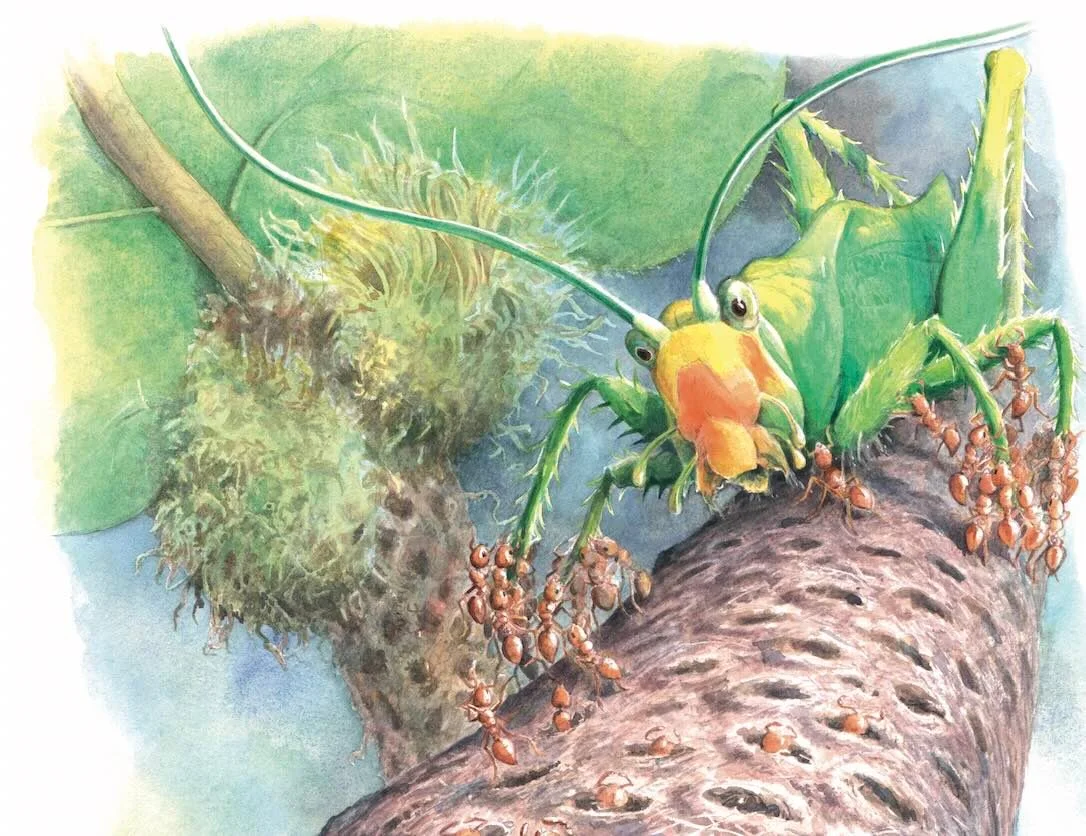
Researchers describe a three-way symbiosis in the Amazon between the shrub Hirtella physophora, the ant Allomerus decemarticulatus, and a cultivated fungus. The ants fashion a trap by cutting plant hairs and using fungal adhesive to build a stem platform with pores, where they ambush prey much larger than themselves; crickets are overcome and consumed. The plant gains defense and sugar rewards; the ants get prey, and the fungus feeds on waste, making a rare win-win-win interaction.

Humidity, not just scent, attracts pollinators: Study.
science3 years ago

Humidity, not just scent, attracts pollinators: Study.

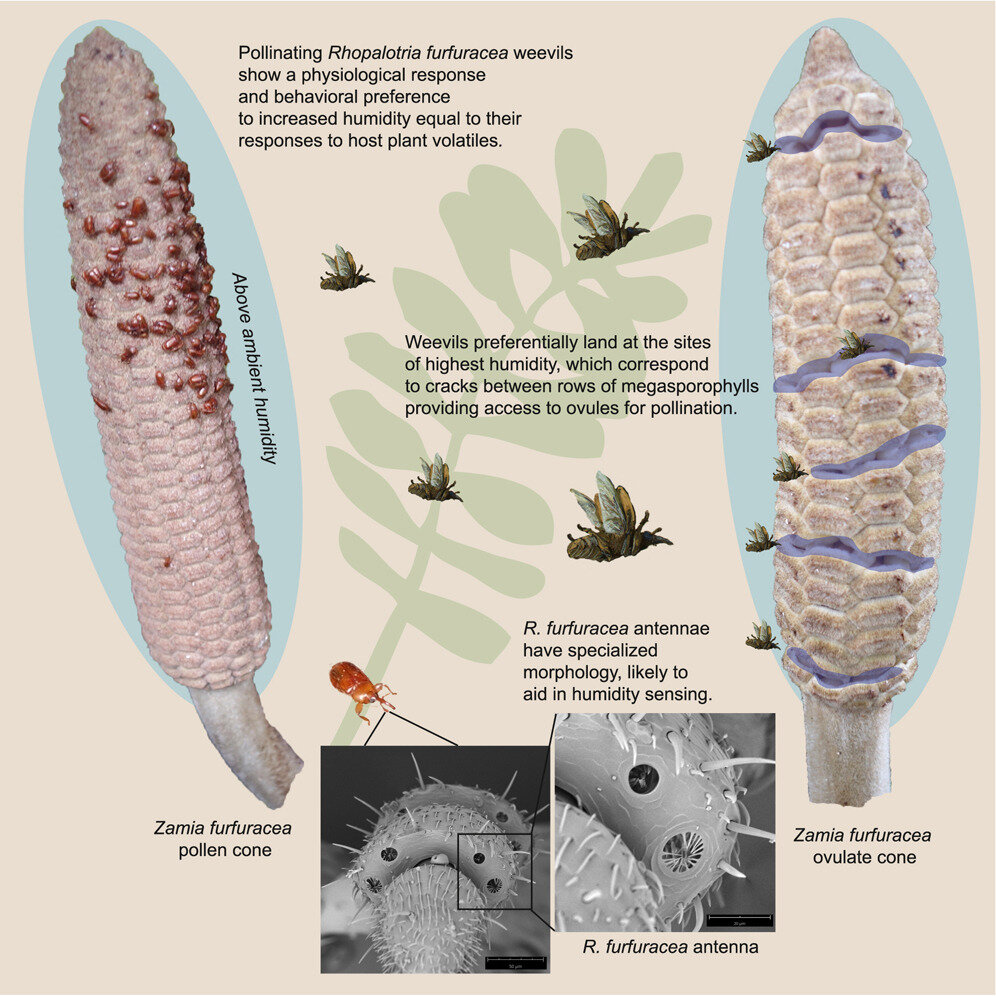
A study led by Cornell University found that humidity is as important as scent in attracting pollinators to a plant. The research advances basic biology and opens new avenues to support agriculture. Until now, the study of pollination and plant-insect interactions has focused on visual and scent markers, but insects are far more adept than humans at sensing changes in humidity, carbon dioxide, and temperature. The findings could help farmers and food distributors encourage pollination of food crops or direct insects away from stored foods and toward traps.