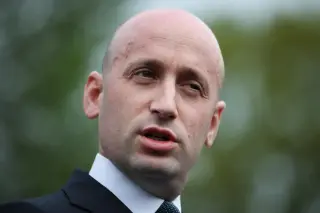
Democrats posted a profanity-filled attack on Stephen Miller, a former White House adviser, triggering debate over civility in political rhetoric and highlighting how social-media battles amplify partisan tensions around immigration policy.
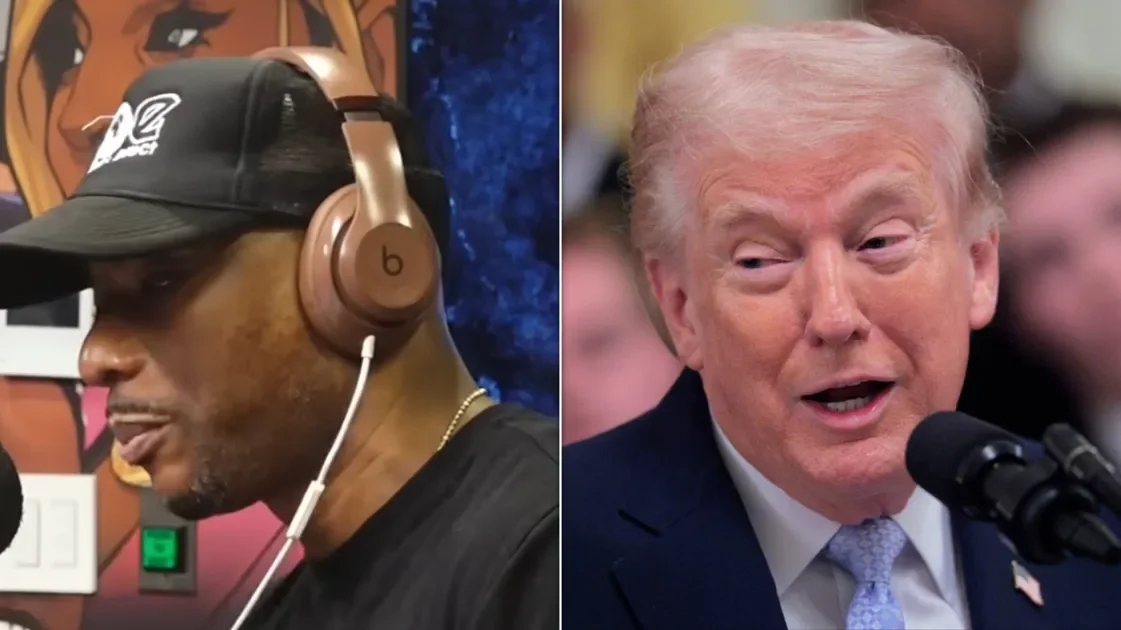
Charlamagne Tha God blasted Donald Trump for praising the death of former FBI Director Robert Mueller (Mueller died at 81 after a Parkinson’s diagnosis), calling the remarks tasteless and predicting a Mardi Gras–style celebration when Trump dies; he also criticized media coverage and warned against normalizing such rhetoric, saying the president’s stance could harm democracy.
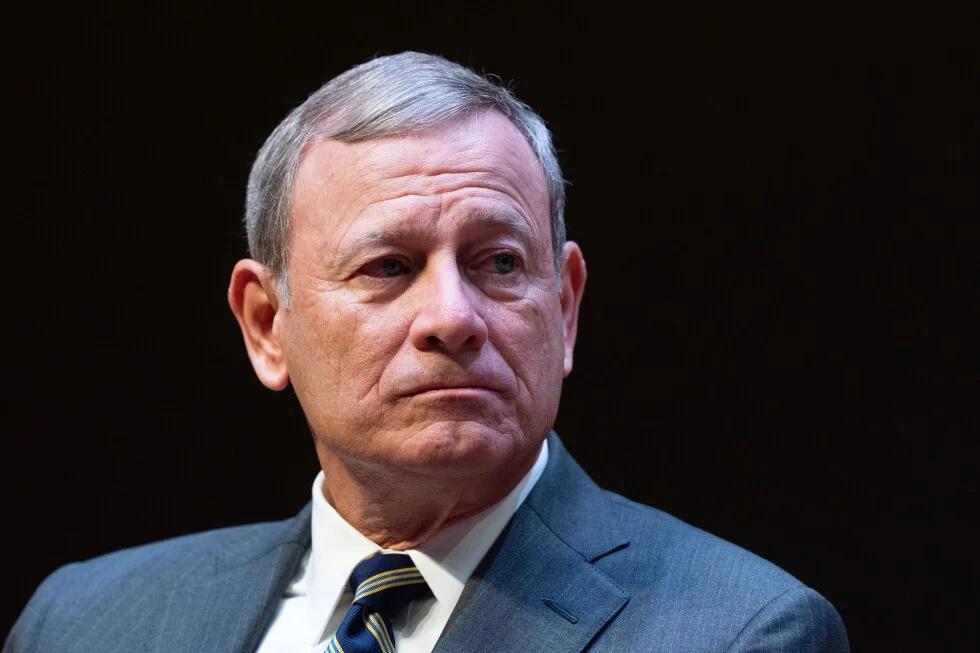
Chief Justice John Roberts urged an end to personal criticism of judges, calling it dangerous to the judiciary in remarks during a Georgetown Law graduation address in 2025.
Big Thief reflects on their band’s resilience through personal and structural losses, their new album 'Double Infinity' created amidst change and improvisation, and their nuanced approach to love, aging, and political issues, emphasizing the importance of music as a unifying and healing force.
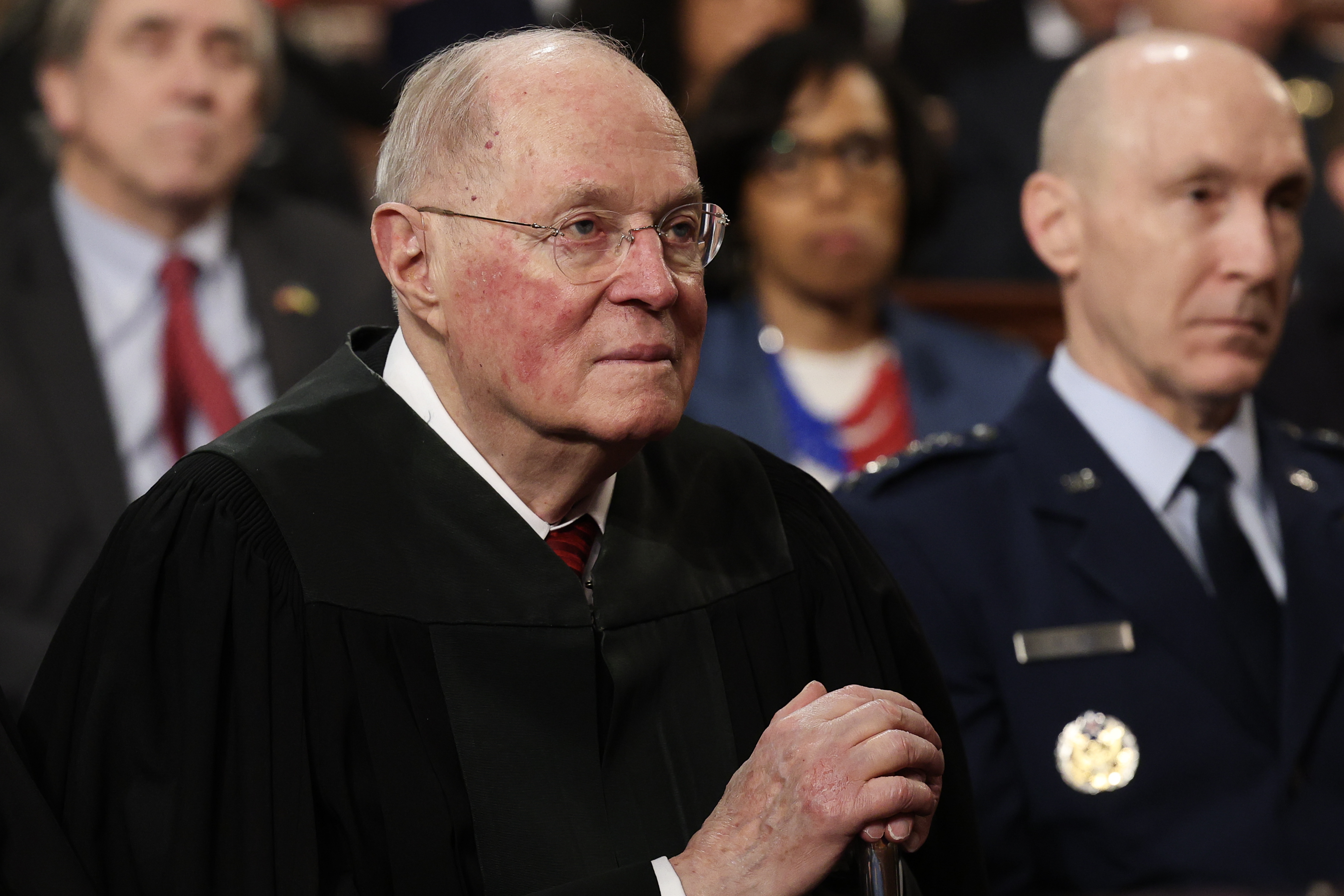
Retired Supreme Court Justice Anthony Kennedy warned that divisive political discourse and threats against judges threaten the US's role as a global democracy example, amid rising hostility and violence towards judicial figures, partly fueled by political attacks and rhetoric.
The Guardian has decided to stop posting content on Elon Musk's social media platform X, citing it as a "toxic media platform" due to the prevalence of conspiracy theories and Musk's influence on political discourse. Despite having over 80 accounts and 27 million followers on X, The Guardian believes its resources are better used elsewhere. This move follows NPR's similar decision last year after Musk labeled it "state-affiliated media." The Guardian will still allow article sharing and reporter use for newsgathering on X.
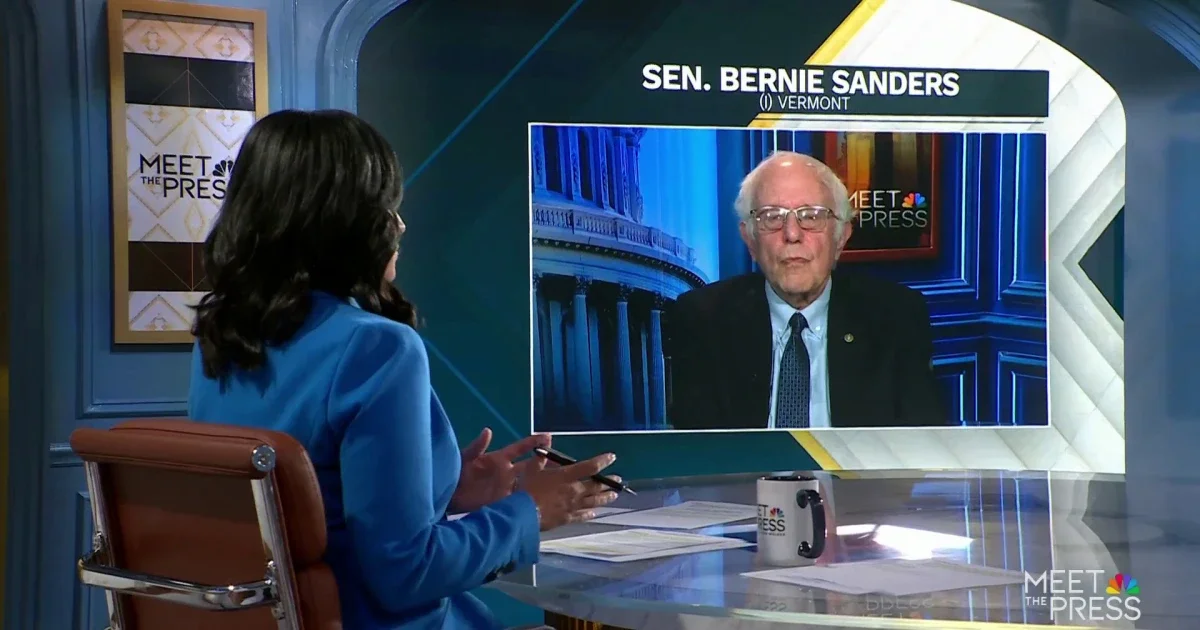
Bernie Sanders has responded to Nancy Pelosi's remarks that she doesn't respect his criticism of the Democratic Party. Sanders emphasized that he is not focused on looking backwards, amid some Democrats blaming President Biden for Kamala Harris' loss. The exchange highlights ongoing tensions within the party regarding its direction and leadership.
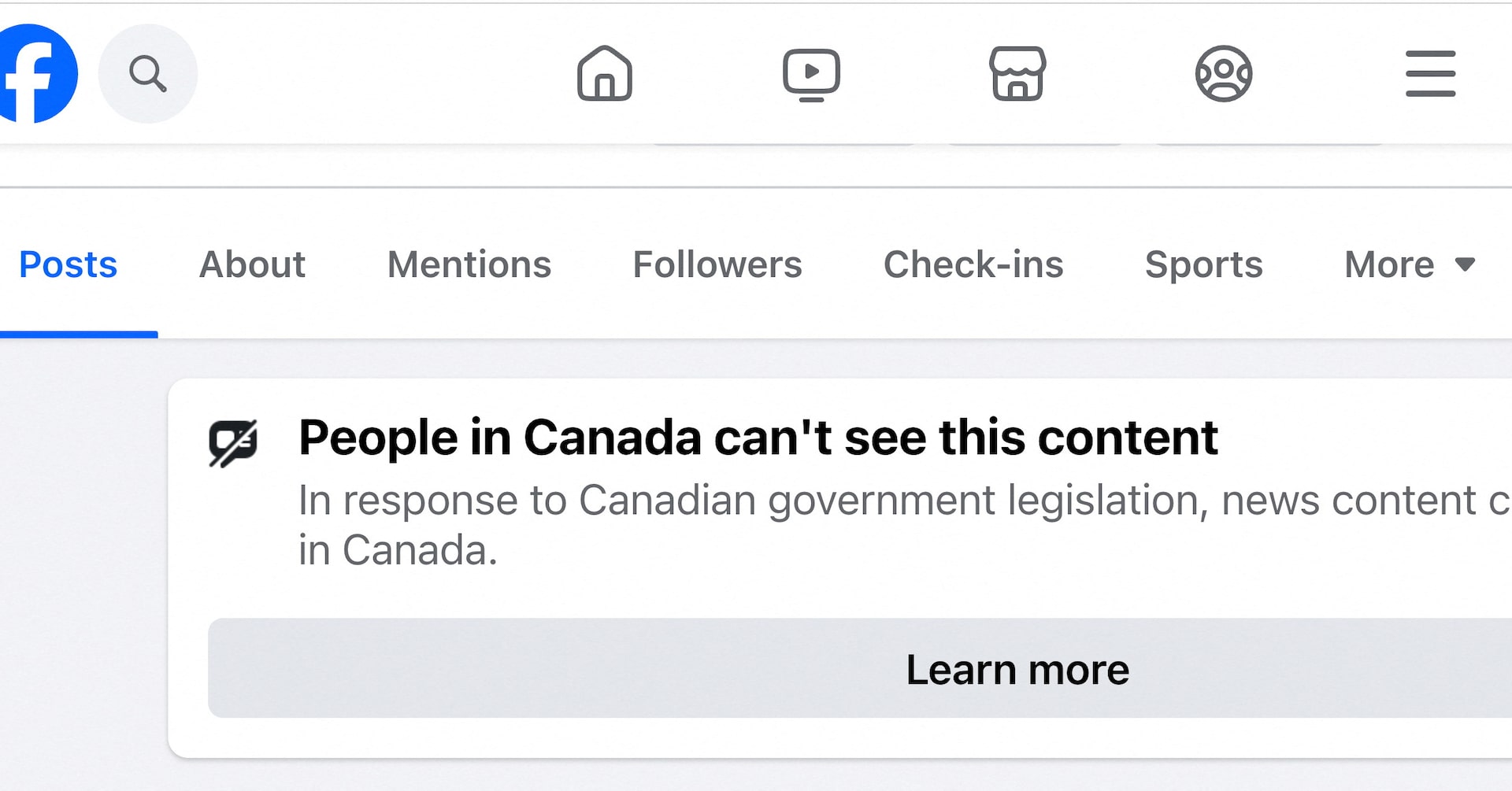
Meta's decision to block news sharing in Canada rather than pay fees to media companies has led to a surge in engagement with opinion and non-verified content, potentially undermining political discourse, according to studies. The absence of news on the platform has resulted in increased user engagement with memes and image-based posts, while likes, comments, and shares of unreliable sources have climbed. This move by Meta has sparked concerns about the spread of disinformation and misinformation, particularly during critical times such as emergencies and elections, prompting calls for fair remuneration for news content used on digital platforms.
A24's film "Civil War" depicts a near-future America divided into Western Forces and the United States, with journalists trekking to Washington to confront a dictator-like president. The film's release amidst heightened political tensions has sparked debate, with some critics finding its political messaging vague. A24's marketing campaign has leaned into political discourse, prompting viewers to "pledge" allegiance and selling themed merchandise. Despite the timing, director Alex Garland insists the film's themes have been part of public debate for years, and the film addresses division, polarization, and extremism.
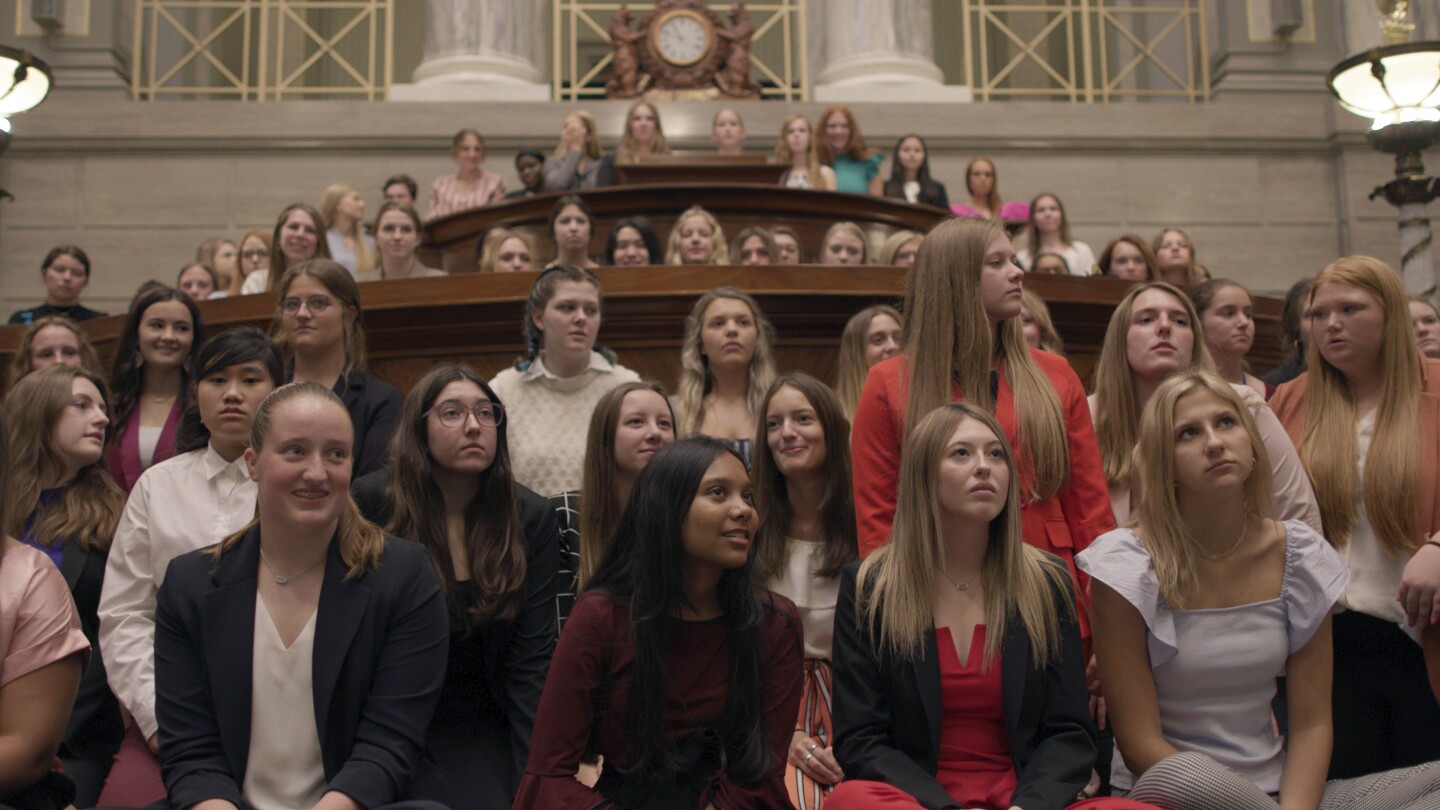
In the summer of 2022, as the Supreme Court overturned Roe v. Wade, a documentary called "Girls State" was filmed, following 500 high school girls at a mock government camp where they elected their own governor and seated an all-female Supreme Court. The film explores the experiences of these young women, their political engagement, and the limitations placed on them, shedding light on the inequalities between the Girls State and Boys State programs. It becomes a story of political defeat and the resilience of the participants, leading to changes in the Missouri programs and leaving a lasting impact on the girls involved.
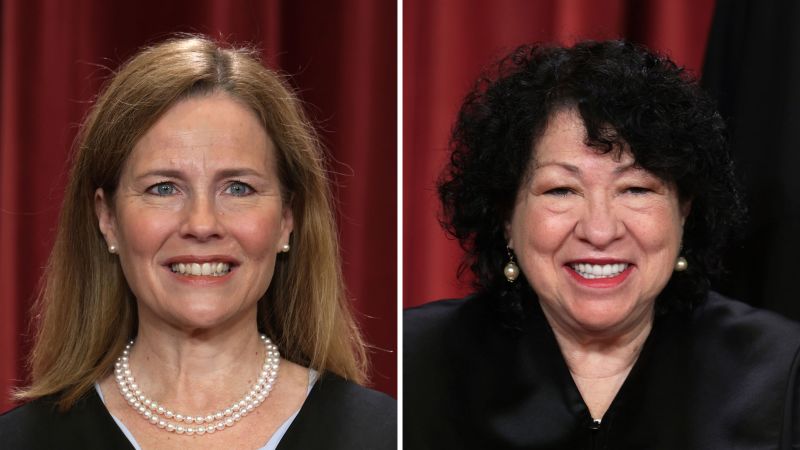
Supreme Court Justices Amy Coney Barrett and Sonia Sotomayor urged Americans to temper political rhetoric and engage in civil discourse, emphasizing the importance of assuming good faith in disagreements. Their comments come amidst the court's consideration of politically charged cases, with Barrett advocating for opinions that lower rather than raise the national temperature. Both justices have previously emphasized the court's independence from politics and the need for constructive disagreement.
Sydney Sweeney's outfit on SNL sparked a culture war debate, with some conservatives claiming it as a defeat of wokeness, while progressives argued against the politicization of her attire. The discussion on social media led to a heated exchange between the two sides, with some questioning the relevance of tying Sweeney's appearance to modern political discourse. Despite the controversy, Sweeney's SNL performance and the ensuing political arguments made her name a top trending topic on social media.
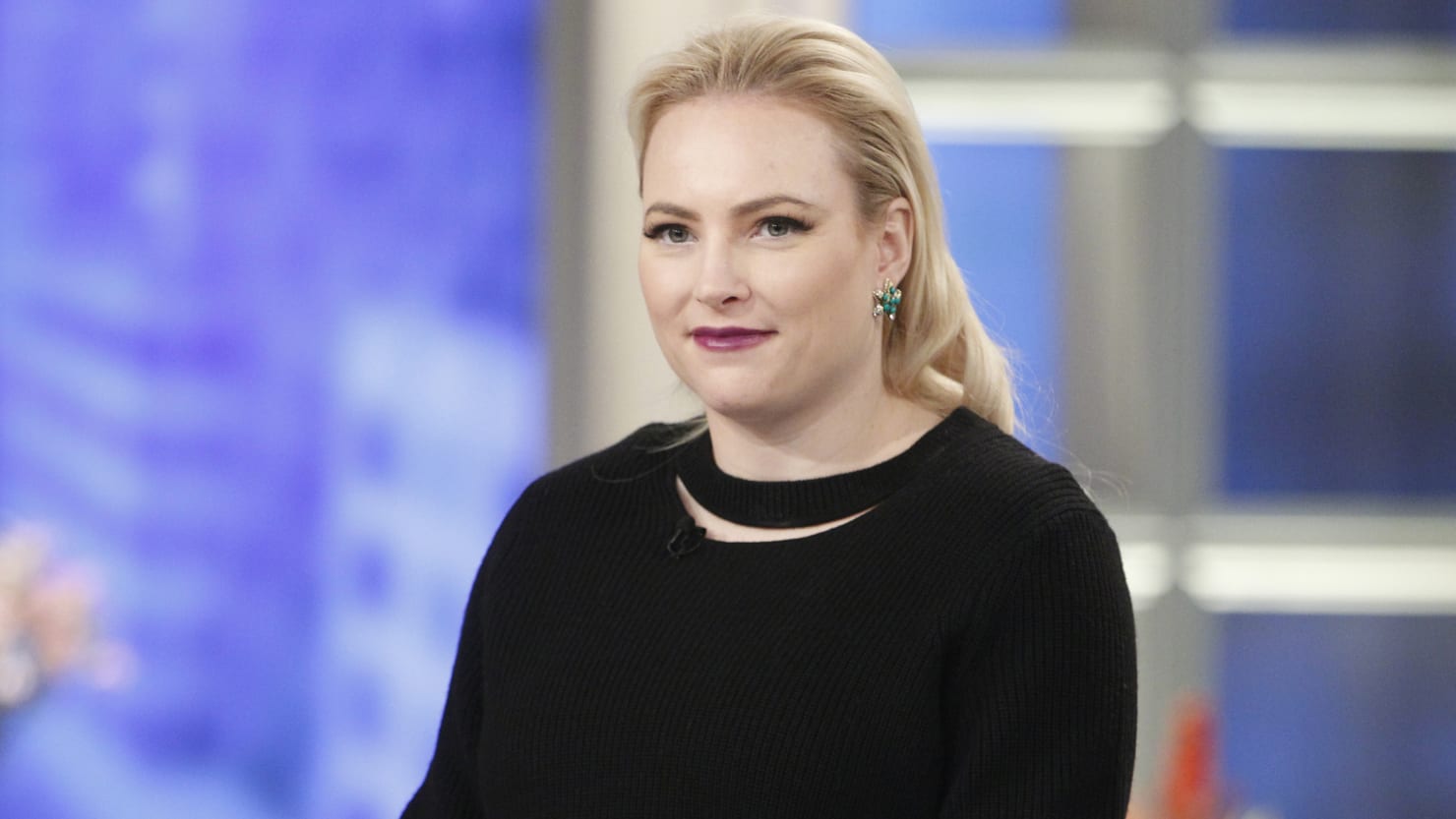
Meghan McCain praised President Biden for calling Donald Trump a "sick fuck," expressing her desire for more unfiltered authenticity in politics, while also questioning why Biden's team keeps him isolated. Biden's comment was almost repeated at a rally, where he criticized Trump and his supporters for embracing political violence. This incident has sparked a discussion about the use of explicit language in political discourse.
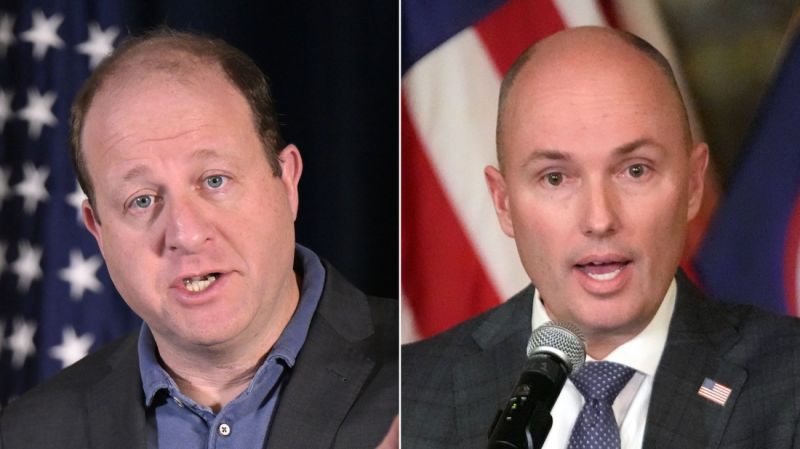
Republican Governor Spencer Cox of Utah and Democratic Governor Jared Polis of Colorado, heads of the National Governors Association, have launched the "Disagree Better" initiative to promote respectful political dialogue and reduce polarization ahead of the 2024 election cycle. They emphasize the importance of finding common ground and using data to guide discussions. The initiative aims to counter the deep divisions among Americans and provide an alternative to the divisive national discourse. Despite their differing views on contentious issues, both governors are committed to fostering a more civil and effective level of disagreement for the future of the country.
Last week's appearance by SEC Chair Gary Gensler before the House Financial Services Committee revealed the scale of Republican dissatisfaction with Gensler's administration and weakened his credibility. The hearing highlighted the inconsistency of the SEC's approach to digital assets and suggested several points that are likely to become campaign platforms. The political nature of the questions was quite clear, with Republicans against and Democrats supportive of the current SEC leadership. Digital assets are likely to increasingly form part of the political discourse, moving from market niche to political platform.