The FDA rejected Disc Medicine's bitopertin for porphyria, citing uncertainties that the biomarker used as the efficacy endpoint may not translate to real patient benefit, marking the first setback for a drug in Commissioner Makary's fast-track review program and sending Disc's shares lower.
Garlic is believed to repel vampires due to its association with blood disorders like porphyria and rabies. People with porphyria have an intolerance to foods with high sulfur content, including garlic. Additionally, rabies symptoms include hypersensitivity to strong odors, such as garlic. The vampire legend may have originated from attempts to explain diseases, leading people to believe that garlic could cure the infection that created vampires.
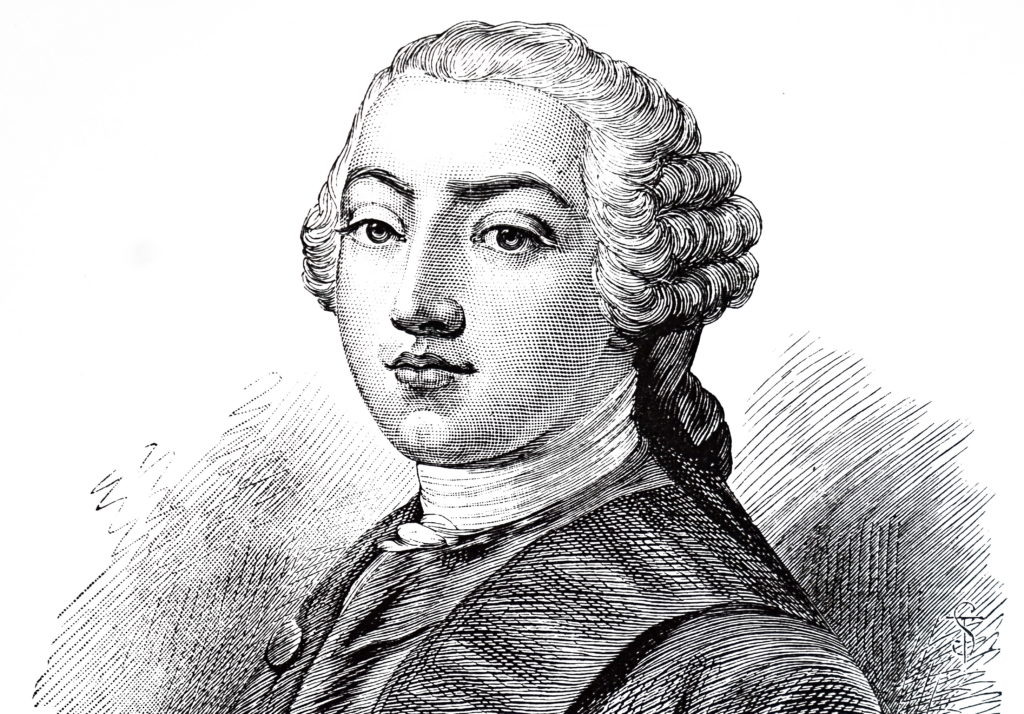
King George III's periodic bouts of serious illness and erratic behavior have led to various retrospective diagnoses, including acute porphyria and severe mental illness. While the porphyria theory was popularized in the mid-1960s, recent research suggests that George's madness may have been a version of severe mental illness. A 2005 hair analysis found high amounts of arsenic, which could have contributed to his poor mental health. However, diagnosing a king who died 200 years ago without physical evidence remains a challenge.
Porphyria is a rare genetic disorder caused by high levels of porphyrins in the body, affecting the skin and nervous system. King George III was once suspected to have it, but the diagnosis is now widely contested. Symptoms range from mild to severe and can include oversensitivity to sunlight, pain, muscle weakness, and hallucinations. There is no cure, but treatments and symptom management techniques are available, including avoiding sunlight, eliminating trigger substances, and heme and/or glucose infusions. Diagnosis is typically through blood, urine, and stool samples or a DNA genetic test. Other famous people believed to have had porphyria include Prince William of Gloucester, Mary Queen of Scots, James V of Scotland, and Vincent van Gogh.
Porphyria is a rare genetic disorder caused by high levels of porphyrins in the body, affecting the skin and nervous system. Symptoms range from mild to severe, including oversensitivity to sunlight, pain, muscle weakness, seizures, and hallucinations. Diagnosis is typically through blood, urine, and stool samples or a DNA genetic test. There is no cure, but treatments and symptom management techniques are available, including avoiding sunlight, eliminating trigger substances, and heme and/or glucose infusions. King George III was suspected to have porphyria, but the diagnosis is widely contested. Other historical figures believed to have had porphyria include Mary, Queen of Scots, and Vincent van Gogh.
Porphyria is a rare genetic disorder caused by high levels of porphyrins in the body, affecting the skin and nervous system. King George III was once suspected to have it, but the diagnosis is now widely contested. Symptoms range from mild to severe and can include oversensitivity to sunlight, pain, muscle weakness, and hallucinations. There is no cure, but treatments and symptom management techniques are available, including avoiding sunlight, eliminating trigger substances, and heme and/or glucose infusions. Other famous people believed to have had porphyria include Prince William of Gloucester, Mary Queen of Scots, James V of Scotland, and Vincent van Gogh.
Doctors at Massachusetts General Hospital investigated a woman's intense pain and jerking movements, which she claimed were symptoms of acute intermittent porphyria. However, inconsistencies and oddities in her medical history and symptoms led doctors to doubt her diagnosis. Despite receiving standard treatment for porphyria, her symptoms did not improve, and her urinary PBG and porphyrin levels were normal. The doctors considered other possible causes, including bowel obstruction, biliary colic, appendicitis, or pancreatitis, but nothing quite fit. Eventually, they discovered that the woman was faking her condition.