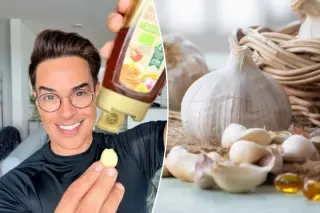
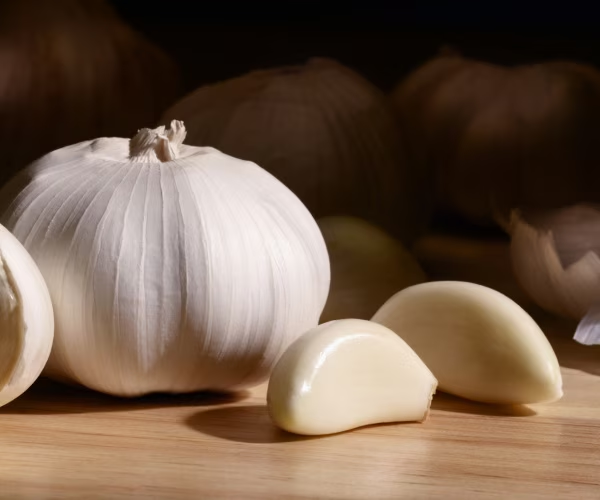
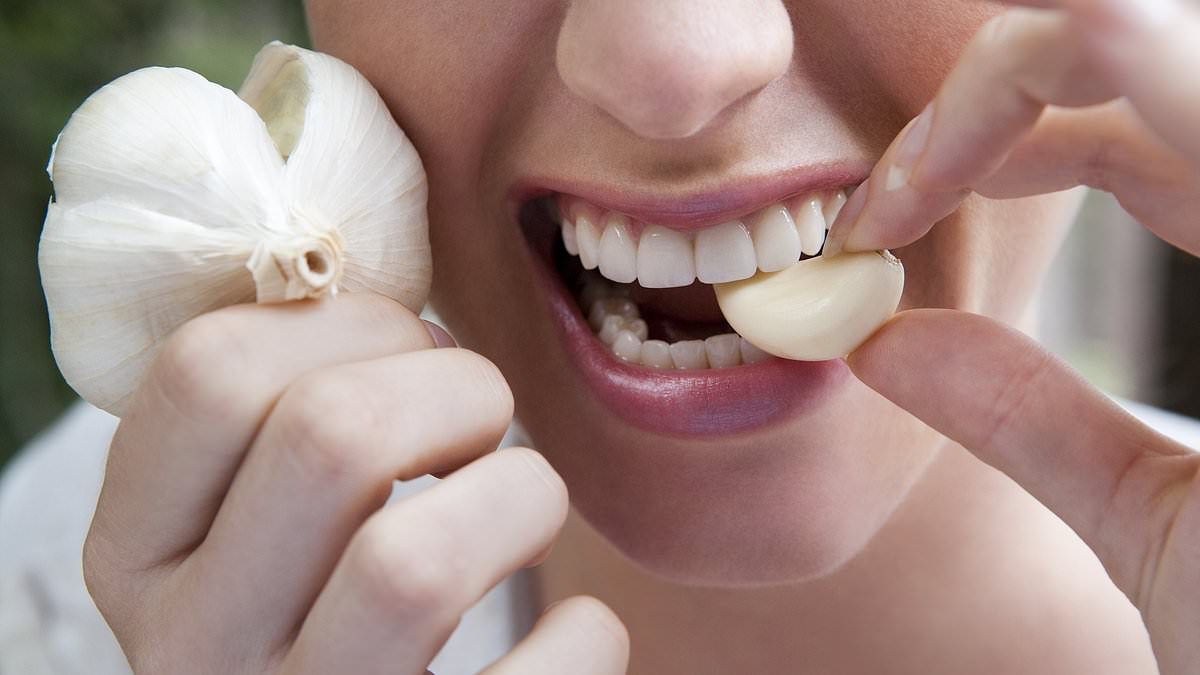
Social media has revived interest in raw garlic as a 'biohack' for energy and longevity, but experts caution that while it offers modest benefits for blood pressure, claims regarding cholesterol and cancer prevention lack robust clinical support.
Yale researchers found that the sulfur-containing compound diallyl disulfide—formed as garlic is crushed—activates the fly’s TrpA1 receptor and dramatically reduces mating and egg-laying in fruit flies and other disease-carrying species like tsetse flies and mosquitoes, suggesting garlic could inform pest-reduction strategies.
A Yale-led study shows garlic does more than repel pests: when fruit flies and two mosquito species taste the garlic compound diallyl disulfide, it activates the TrpA1 receptor and triggers bitter/ fullness signals that stop feeding and, crucially, reproduction. The effect is taste-based (not smell) and wasps lacking TrpA1 are unaffected. This points to garlic-derived compounds as targeted, safer pest-control tools, and the researchers also introduce phytoscreen as a simple method to screen plant substances for behavioral effects on insects.
Yale-led researchers screened 43 fruits and vegetables and found that garlic’s diallyl disulfide can disrupt mating and egg-laying in fruit flies, Aedes mosquitoes, and tsetse flies by acting on the taste receptor TrpA1, offering a cheap, safe avenue for eco-friendly pest control through phytoscreening.
Brandi Glanville attempted a viral garlic congestion remedy she saw online, placing a garlic clove in her nose and then ear; it burned and became stuck, sending her to urgent care. Medical experts warn that garlic in the nose or ear can irritate tissue and cause infections, advising people not to rely on online health hacks.
Garlic supplements may modestly lower LDL cholesterol and blood pressure, but no garlic product has proven to reduce heart attacks or strokes; bioavailability varies, supplement quality is inconsistent, and doctors often recommend real garlic over concentrated pills due to limited long-term data and possible GI or bleeding side effects.
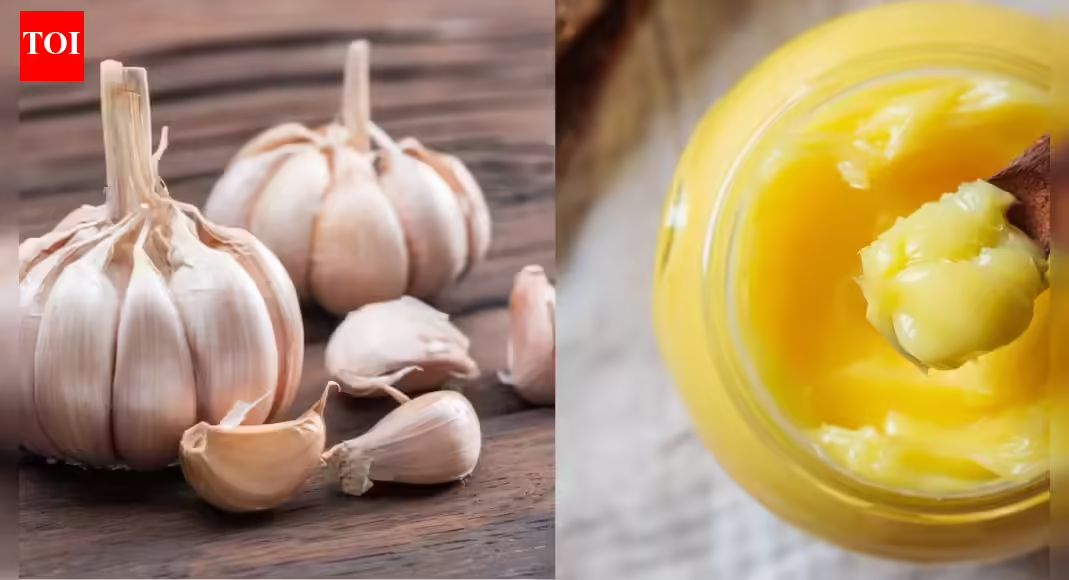
While desi ghee and garlic are nutritious and have some health benefits, scientific evidence does not support the claims that consuming them on an empty stomach can prevent cancer, promote weight loss, or improve skin, hair, and sexual health. Overall lifestyle and dietary habits play a more significant role in disease prevention and health.
Stanford-trained gastroenterologist Dr. Saurabh Sethi highlights three top anti-cancer foods—broccoli, garlic, and carrots—and emphasizes the importance of lifestyle modifications like regular exercise, healthy diet, and avoiding processed foods to reduce cancer risk.
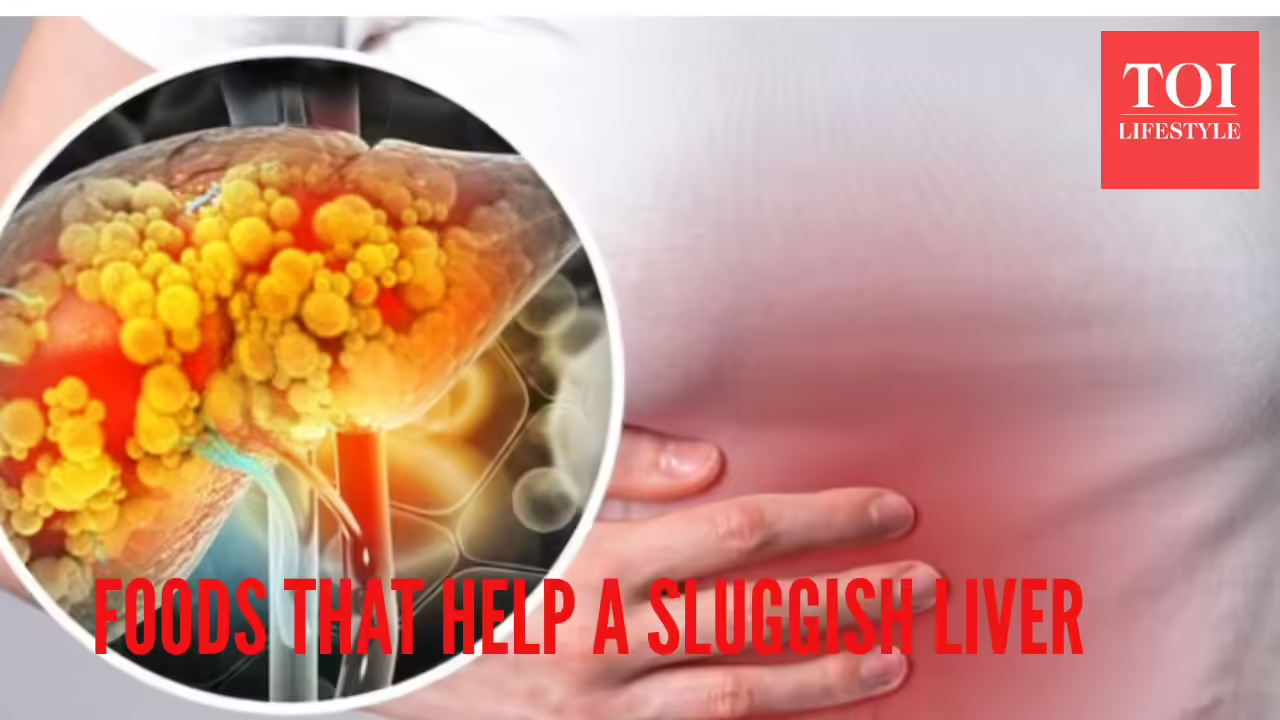
Eating garlic regularly, staying hydrated, and following a healthy diet can help heal a sluggish liver within 60 days by boosting liver enzymes, reducing oxidative stress, and preventing fatty liver disease, especially when combined with lifestyle improvements.
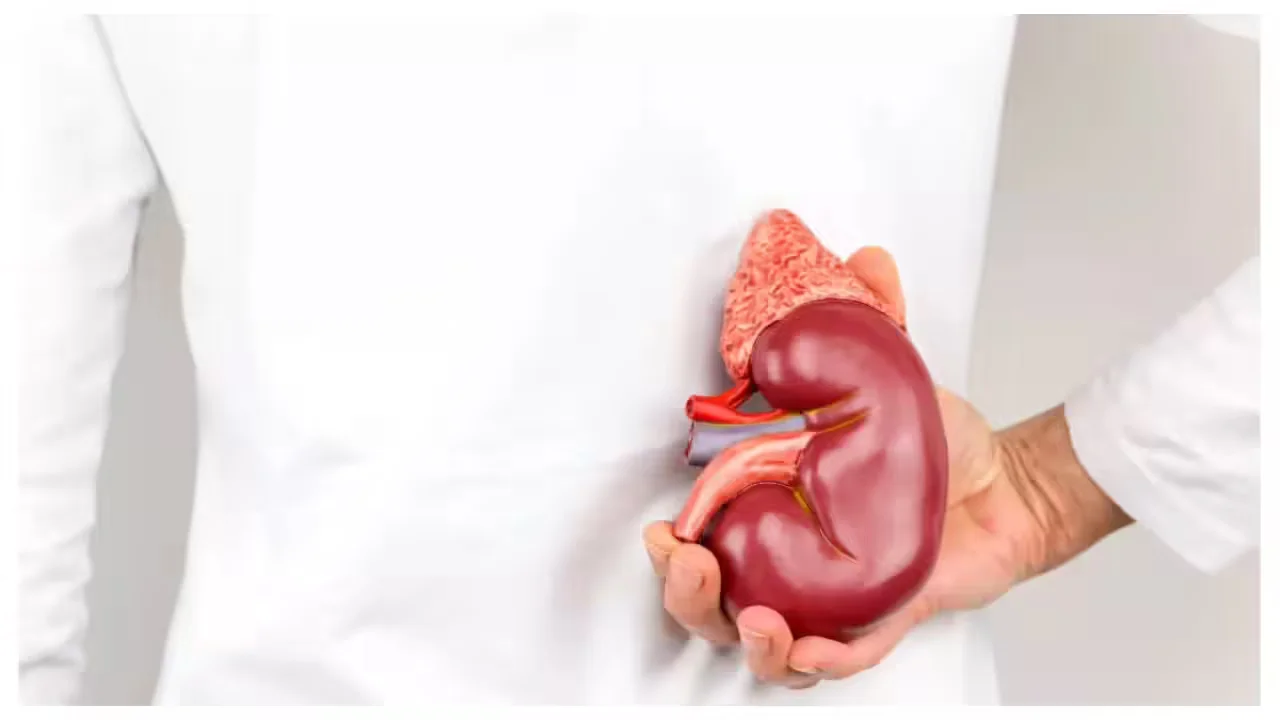
The article highlights five everyday foods—watermelon, lemon, garlic, cucumber, and turmeric—that naturally support kidney detoxification and health, emphasizing their roles in hydration, reducing stone formation, and protecting against damage. It also advises maintaining a healthy diet and staying well-hydrated to promote kidney function.
A Reddit user shared a humorous and simplistic logo concept for garlic, inspired by a dream, which received playful support and reactions from the online community, highlighting the fun and quirky side of design ideas.
Garlic has been used for centuries for its health benefits, including boosting the immune system, preventing colds and flu, fighting inflammation, and potentially reducing the risk of dementia and certain cancers. Known as "Russian penicillin," garlic's antibacterial properties were noted by Louis Pasteur in 1858. Consuming garlic raw, in cooking, or as supplements like aged garlic extract (AGE) can enhance its disease-fighting abilities. AGE, in particular, has shown promise in reducing inflammation and maintaining arterial health, which may help prevent dementia and Alzheimer's disease.
Combining garlic and turmeric, two common superfoods, may enhance immune system and gut health, according to dietitian Chelsea Rae Bourgeois. Both ingredients have anti-inflammatory properties and bioactive compounds that support various health aspects, including reducing chronic disease risk and supporting brain and heart health. While generally safe, they may cause side effects like nausea and interact with blood-thinning medications. Further research is needed to fully understand their combined effects.
A California pharmacist, Ariana Medizade, claims that consuming two cloves of garlic can cure a common cold in 24 hours due to allicin, a compound that boosts the immune system. She also suggests leaving chopped onions in a room to purify the air, though this lacks scientific backing. While garlic has some proven health benefits, including immune support and antiviral properties, the NHS and Cleveland Clinic note limited evidence for its effectiveness in preventing or curing colds.
Dr. Reza T, a U.S. cosmetic surgeon and biochemist, revealed in a TikTok video that regular consumption of garlic can significantly reduce the risk of heart attacks, lower blood pressure, combat infections due to its antibacterial properties, and decrease the risk of certain cancers. Despite these benefits, he advises consulting a healthcare provider before making garlic a regular part of your diet due to its blood-thinning effects.