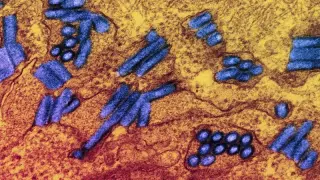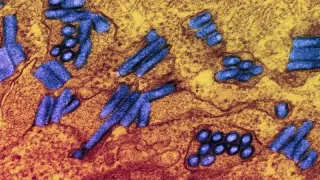
An 11-year-old Ontario boy died of rabies after a bat touched his face at a cottage; rabies is extremely rare in Canada, but bat exposure can transmit the virus even without obvious bites. The case underscores the importance of early post-exposure prophylaxis, which is highly effective when administered promptly, and highlights public awareness about seeking urgent medical care after potential exposure.
An 11-year-old boy in Ontario died of rabies—the first locally acquired case there since 1967—after an encounter with a bat even though no bite was visible. Health professionals stress seeking immediate medical advice after any direct bat contact because post-exposure prophylaxis can prevent rabies, which is nearly always fatal once symptoms appear. Testing the bat for rabies can guide public health actions, and the case underscores the unpredictable incubation period and the importance of early intervention.
McHenry County health officials confirm the 2026 season's first rabies-positive bat after a resident found the animal in a home; the resident received post-exposure prophylaxis and officials urge residents to vaccinate pets and bat-proof homes as bat activity rises in northern Illinois.
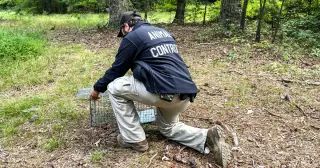
A resident found a bat inside a McHenry County home that tested positive for rabies, marking the county’s first rabid bat of 2026. The resident was exposed and was advised to receive rabies post-exposure prophylaxis (PEP). Animal Control collected the bat for testing, and the McHenry County Department of Health urged containment of any indoor bat, provided steps to prevent future intrusions, and noted that rabies in Illinois is primarily transmitted by bats and is not typically spread person-to-person.
A NEJM trial shows the antiviral ensitrelvir (Xocova) significantly reduces COVID-19 risk after exposure in households, cutting symptomatic infections from about 9% to 3% and total infections from 21.5% to 14% when given as a five‑day course. Japan has approved ensitrelvir for post‑exposure use; US/EU decisions are pending. The drug is generally well tolerated and may help vulnerable groups, though real‑world impact may be limited as immunity rises and variants shift.
A beaver in Mahwah, NJ attacked an 8-year-old boy and tested positive for rabies. Exposed individuals are receiving post-exposure prophylaxis; the ill beaver was captured and later died. Officials urge avoiding wildlife and seeking medical advice if exposed.
CDC and state health officials report four pediatric tetanus cases in 2024 among unvaccinated children in Idaho, Minnesota, Missouri, and Wisconsin. In two cases, parents refused post-exposure tetanus immunoglobulin and vaccination; all children were hospitalized for lengthy stays (average about 25 days) and received TIG and an initial TTCV dose, with only one child later completing the vaccine series. No deaths occurred. The report highlights missed prevention opportunities—no prior TTCV, delays in wound care, and refusal of prophylaxis—underscoring the importance of timely wound care and up-to-date tetanus vaccination to prevent disease.
Orange County reports two rabies-positive animals—a raccoon in Chapel Hill and a cat in Hillsborough—leading to animal-control actions; a dog bitten by the raccoon is being treated, and the person exposed to the cat is receiving rabies prophylaxis. Health officials note risk assessment is used to decide post-exposure treatment, and pet-vaccination rules require boosters for exposed vaccinated pets (within 96 hours) or quarantine/euthanasia for unvaccinated pets. Rabies remains fatal; bats are common hosts, and contact animal control or 911 after hours if exposure occurs.
As rates of sexually transmitted infections (STIs) continue to rise in the US, physicians are increasingly prescribing the antibiotic doxycycline as a preventative treatment for chlamydia, gonorrhea, and syphilis in gay and bisexual men and transgender women. Known as doxyPEP, this approach involves taking a single pill within 72 hours after unprotected sex. The US Centers for Disease Control and Prevention (CDC) is expected to release draft guidance on the use of doxycycline as STI post-exposure prophylaxis (PEP) in the coming weeks. Local health departments, such as those in San Francisco and Seattle, have already issued their own guidelines. DoxyPEP has been found to be about 65% effective in reducing the incidence of bacterial STIs. However, there are concerns about antibiotic resistance and the lack of research on its effectiveness in cisgender women.
The antibiotic doxycycline, when taken within 72 hours of condomless sex, may protect against contracting sexually transmitted infections (STIs) such as chlamydia, gonorrhea, and syphilis. Promising research involving gay and bisexual men and transgender women has shown a significant drop in new STIs. The CDC plans to introduce guidelines for prescribing doxy-PEP later this summer. However, a study involving at-risk Kenyan women showed no benefit, highlighting the need for further research. Caution is also advised due to potential implications for antibiotic resistance. STIs continue to be a significant public health concern, particularly among men who have sex with men and transgender women.
Taking the antibiotic doxycycline within 72 hours of condomless sex can significantly reduce the risk of gonorrhea, syphilis, and chlamydia among transwomen and gay, bisexual, and other men who have sex with men. This form of post-exposure prophylaxis (PEP) has been shown to be effective in reducing the chances of developing these sexually transmitted infections (STIs). Doxy-PEP is recommended for individuals who have had at least one of these STIs in the past 12 months or those who feel they are at risk due to multiple sexual partners. It is important to note that doxy-PEP does not protect against HIV or other viral infections, and it is crucial to seek appropriate medical care and testing for different STIs.
An 84-year-old man from Minnesota died from rabies after waking up to a rabid bat biting his hand. He washed his hands with soap and water and received post-exposure prophylaxis treatment, but still died five months later. This is the first recorded US case of a rabies patient dying after receiving prophylaxis treatment in a 'timely and appropriate' manner. Rabies is a virtually always fatal infection unless patients are administered medications before symptoms emerge.
An 84-year-old man from Minnesota became the first reported fatality due to rabies in the United States despite receiving appropriate post-exposure prophylaxis. The man woke up with a rabid bat biting his right hand and was administered appropriate care, which included rabies post-exposure prophylaxis. However, about five months after the exposure, the patient started to have severe pain on the right side of his face, with excessive right eye tearing. His symptoms progressed to facial numbness, trouble swallowing, and right arm numbness associated with nausea and vomiting. The man was hospitalized about a week after first developing symptoms when he complained of worsening facial pain and difficulty swallowing. He subsequently died 15 days after developing symptoms of rabies. The authors concluded that the patient had a fatal outcome because his immune system could not mount a protective antibody response after receiving vaccine prophylaxis to prevent rabies, presumably because of undiagnosed MGUS that suppressed his immune system.