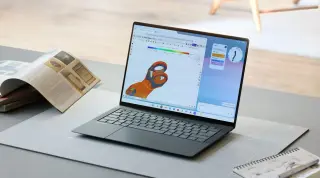
ASUS has officially unveiled its Googlebook 14, joining a five-model lineup from Acer, Dell, HP, and Lenovo. The device features an Intel Core Ultra 7 Series 3 processor, up to 64GB RAM, and a 3K OLED touchscreen. Weighing just 0.99 kg, it launches on October 4 for $1,299, including a year of Google AI Pro.
Google has opened preorders for its new line of premium laptops, branded as Googlebooks, which launch on October 4 in the US. The initial lineup consists of five models from Acer, Asus, Dell, HP, and Lenovo, priced between $899 and $1,299. These devices feature high-end hardware, including OLED screens, metal chassis, and fanless designs powered by Intel or Qualcomm chips with 45 TOPS AI performance. Unlike budget Chromebooks, Googlebooks run a hybrid OS that supports native Android apps, deep phone integration, and advanced Gemini AI features like Magic Pointer. While the hardware is polished, the software ecosystem remains unproven for desktop use, and the high price point targets Android users seeking a seamless companion to their phones rather than a replacement for Windows or macOS.
Google will launch Googlebook as a premium-only line this fall, setting strict hardware baselines and design guidelines while allowing partners like Dell, HP, ASUS, Acer, and Lenovo to contribute unique styling; the strategy aims to establish elite perception before expanding to more affordable devices over time.
Microsoft's upcoming Xbox console is expected to be a high-end, premium device with a focus on performance, graphics, and compatibility, potentially resembling a hybrid PC and console, and possibly priced higher than current models, reflecting its premium nature.
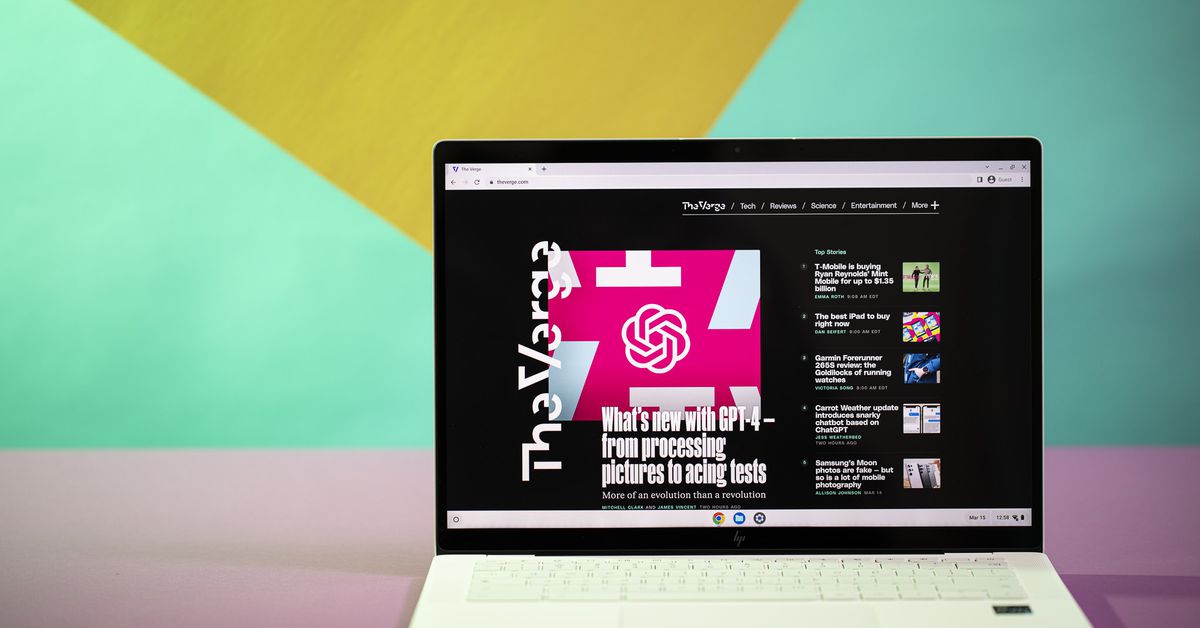
The new HP Dragonfly Pro Chromebook offers premium hardware and powerful performance, but its battery life falls short, lasting only two and a half hours on average. Despite its beautiful chassis, great screen, and impressive port selection, the device's battery life is not acceptable for a $999 device. While some users may prioritize other features over battery life, it remains a quality-of-life issue for many people. Manufacturers of premium Chromebooks need to make improvements in this area to compete with cheaper devices.