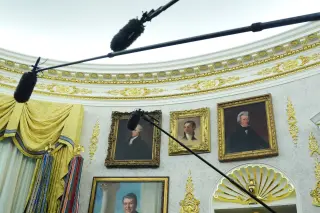
President Trump stated in a Time interview that Secret Service officials suggested demolishing the Oval Office to build a new one, a proposal he rejected. He is now exploring designating the room as a federal landmark to preserve his recent renovations.
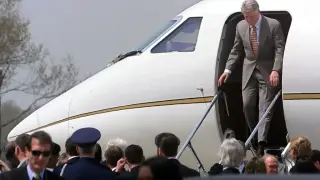
The piece reveals that Trump secretly flew on a military aircraft during a Turkey trip while the White House claimed Air Force One; Clinton did a similar thing in 2000 on an India–Pakistan visit with an unmarked plane that followed Air Force One, highlighting long-standing security measures and press-pool practices around presidential travel.
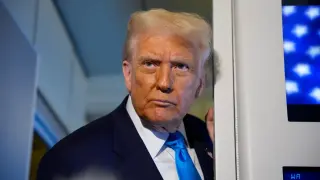
Facing an Iranian threat, presidential travel reportedly involved a secret plane switch, with a Qatar-gifted ‘Bridge’ jet used to relieve pressure on the VC-25A fleet and a smaller aircraft later in the trip. The modified Qatari jet carries mission communications and security features but reportedly lacks some advanced anti-missile defenses of the standard Air Force One. The core takeaway is that presidential protection relies on the aircraft’s hardened systems—EMP shielding, ballistic armor, secure communications, self-defense capabilities, and in-flight refueling—rather than the Air Force One call sign alone, even as the VC-25B program remains delayed and costly.
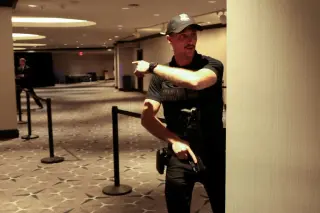
The Justice Department released high-resolution video of an armed man breaching security at the White House Correspondents’ Dinner, prompting experts to say the frame-by-frame analysis isn’t definitive but raises questions about vulnerabilities and security planning for presidential appearances, including potential friendly-fire implications and whether security zones should be rethought or moved to venues like convention centers to reduce public exposure.
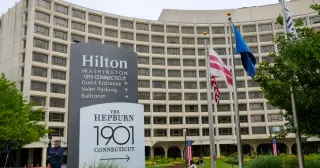
Shots fired at the Washington Hilton during the White House Correspondents' Dinner revive a long history of presidential security tied to the venue: Reagan's 1981 assassination attempt led to magnetometers, a hidden private entrance, and a bunker-like holding space for the president; the hotel has hosted presidents for decades and continuously updated security around major events. The piece connects that legacy to today’s threats against Donald Trump, noting multiple alleged plots and renewed calls for tighter protection, with experts calling multiple attempts on a single president unusual.
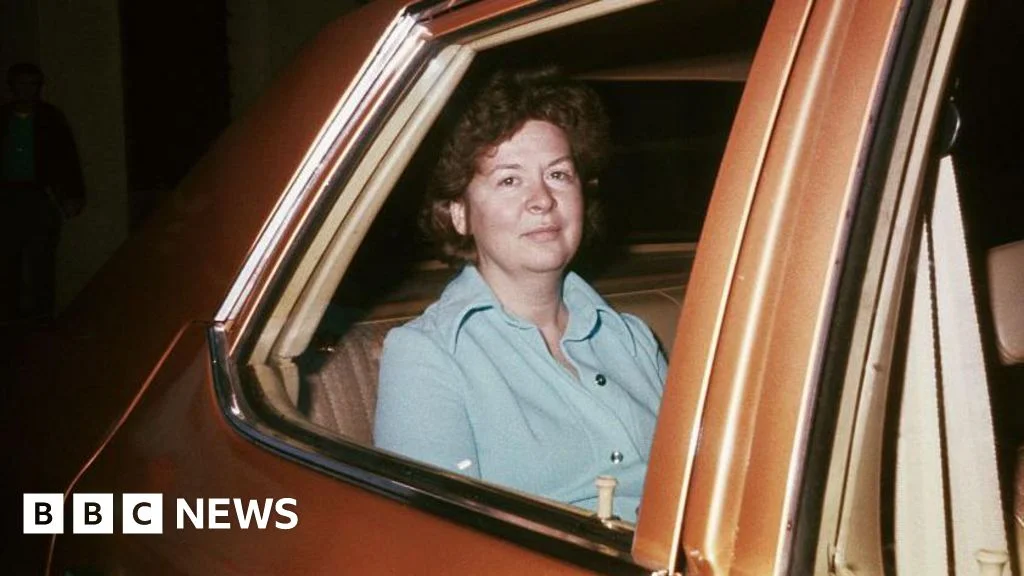
Sara Jane Moore, who attempted to assassinate President Gerald Ford in 1975 and was later released on parole, has died at age 95. Her attack was motivated by a desire to spark a revolution amid social upheaval, but she was not connected to any revolutionary groups. Her death comes amid renewed focus on presidential security following recent assassination attempts.
The article discusses how security lapses allowed a would-be assassin to get close enough to shoot at former President Donald Trump, highlighting significant failings in the protective measures by the Secret Service.