Iran attacked Prince Sultan air base in Saudi Arabia with missiles and drones, damaging the E-3 Sentry radar dome and injuring US personnel, underscoring Tehran’s evolving strike capability and complicating US plans for Gulf operations.
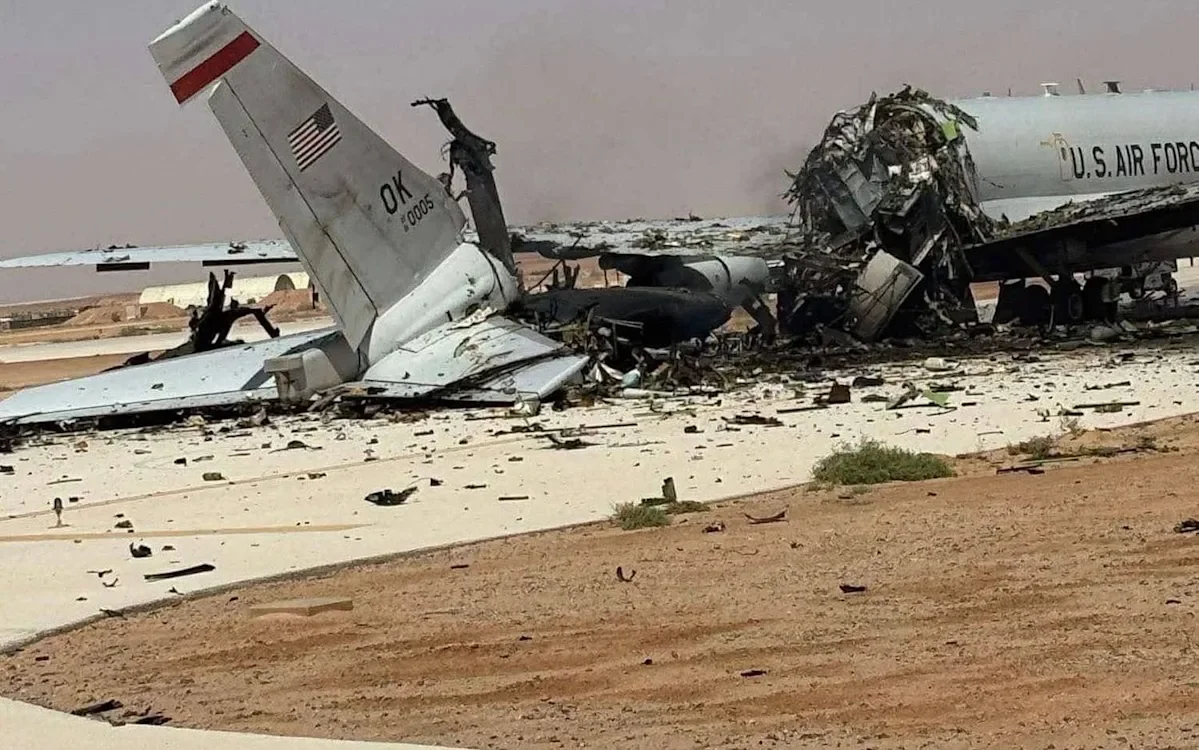
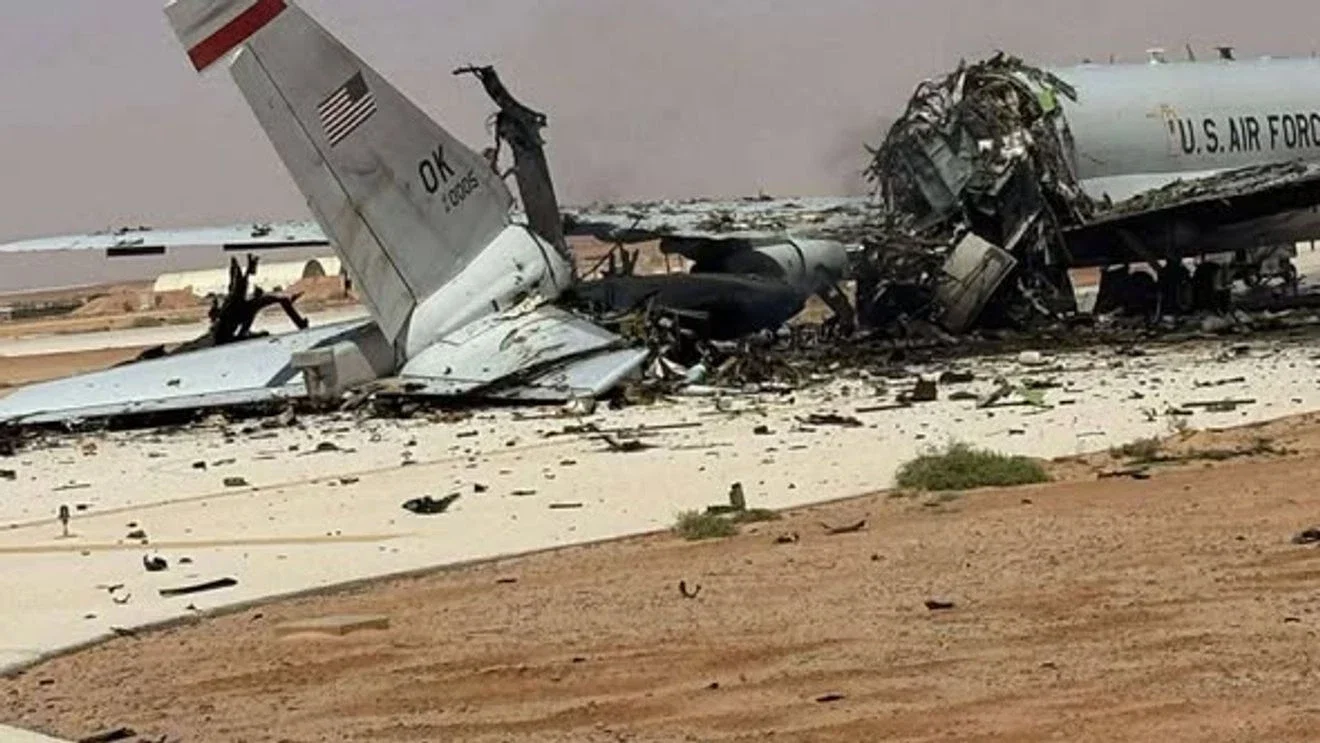
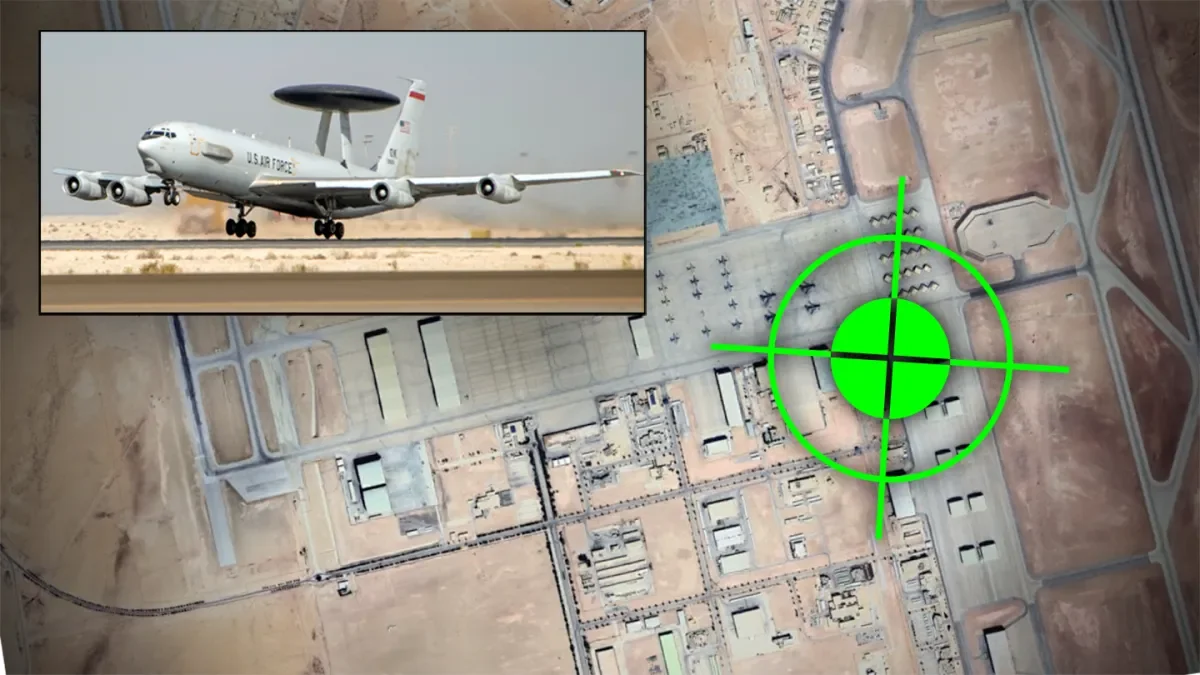
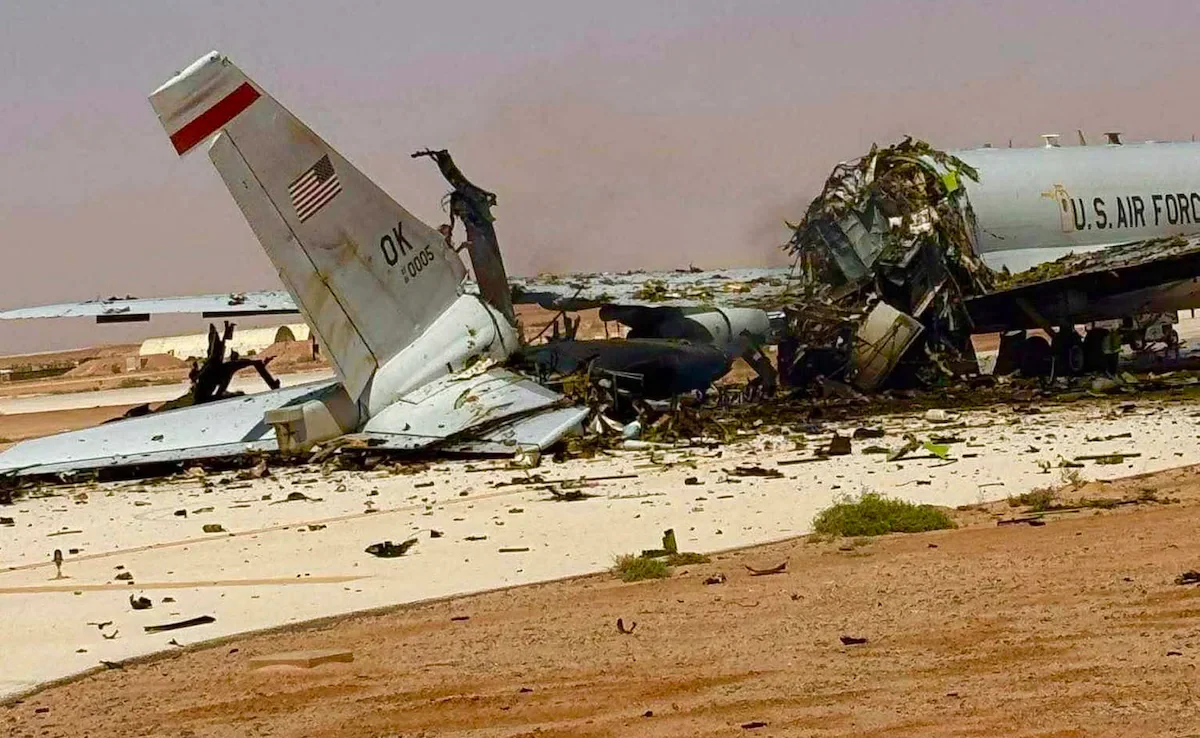
A U.S. Air Force E-3 Sentry AWACS from Tinker AFB was destroyed on the ground at Prince Sultan Air Base in Saudi Arabia during an Iranian strike; the tail number 81-0005, nicknamed 'Captain Planet', had been photographed at Tinker previously, and it's not known whether any Oklahoma-based crews were on base at the time.
Iran’s March 27 strike on Prince Sultan Air Base reportedly destroyed a U.S. E-3 Sentry AWACS on the base’s main apron, with ground photos and satellite imagery supporting the damage; the attack underscores vulnerabilities of aging airborne early-warning assets and bases, as the U.S. weighs hardened shelters and interim sensors amid a dwindling E-3 fleet and ongoing regional operations.
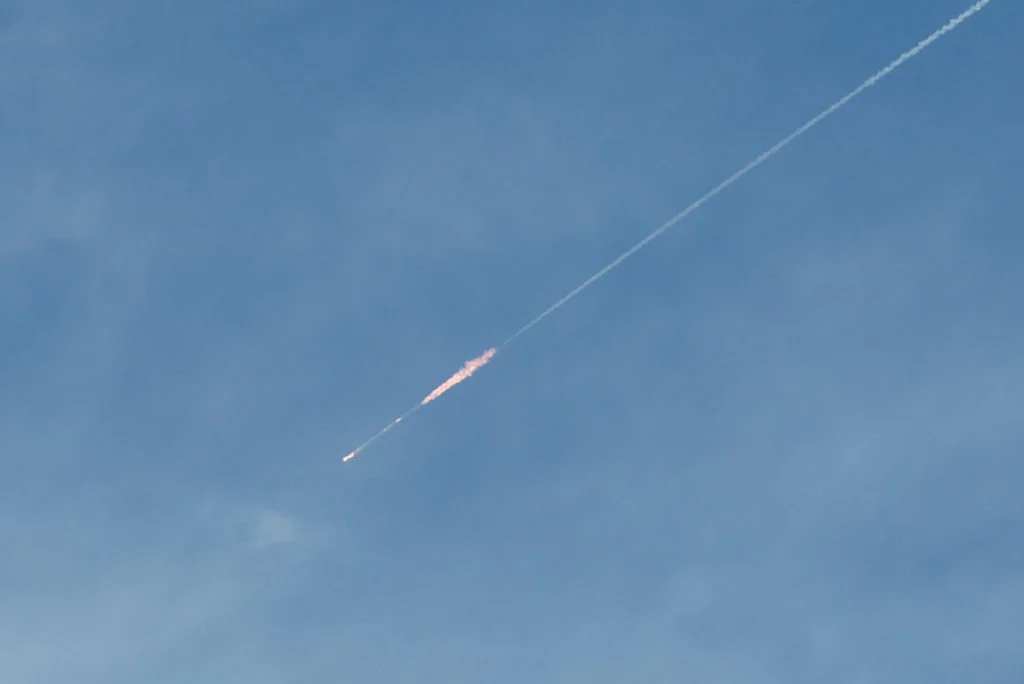
Iran says it hit Prince Sultan Air Base in Saudi Arabia with missiles and drones, claiming significant damage to a U.S. E-3 AWACS and other assets. The attack reportedly involved six ballistic missiles and 29 drones, with initial casualty reports ranging from 10 to 15 U.S. personnel wounded; CENTCOM has not commented on the incident.
An Iranian missile and drone attack on Prince Sultan Air Base in Saudi Arabia wounded U.S. service members and damaged several U.S. refueling aircraft; the exact number of wounded was not immediately clear as regional tensions continue.
Twelve U.S. service members were wounded when a ballistic missile strike hit Prince Sultan Air Base in Saudi Arabia, with at least two in serious condition and a KC-135 refueling aircraft reportedly on fire. The attack occurs as the U.S.-led Operation Epic Fury enters its fifth week, amid ongoing U.S.- and Israel-led actions against Iran; CENTCOM says 303 Americans have been injured since the start, most minor, with 273 returned to duty, and 13 U.S. service members killed so far.
An Iranian strike hit Prince Sultan Air Base in Saudi Arabia, injuring 12 U.S. troops (two seriously) and contributing to a toll of 13 U.S. service members killed and more than 300 wounded since the conflict began on February 28, with 273 wounded already back to duty.
Ten U.S. service members were injured in an Iranian missile-and-drone attack on Prince Sultan Air Base in Saudi Arabia; two were very seriously injured and eight seriously, as the U.S.–Iran conflict widens and concerns grow over regional missile defenses.
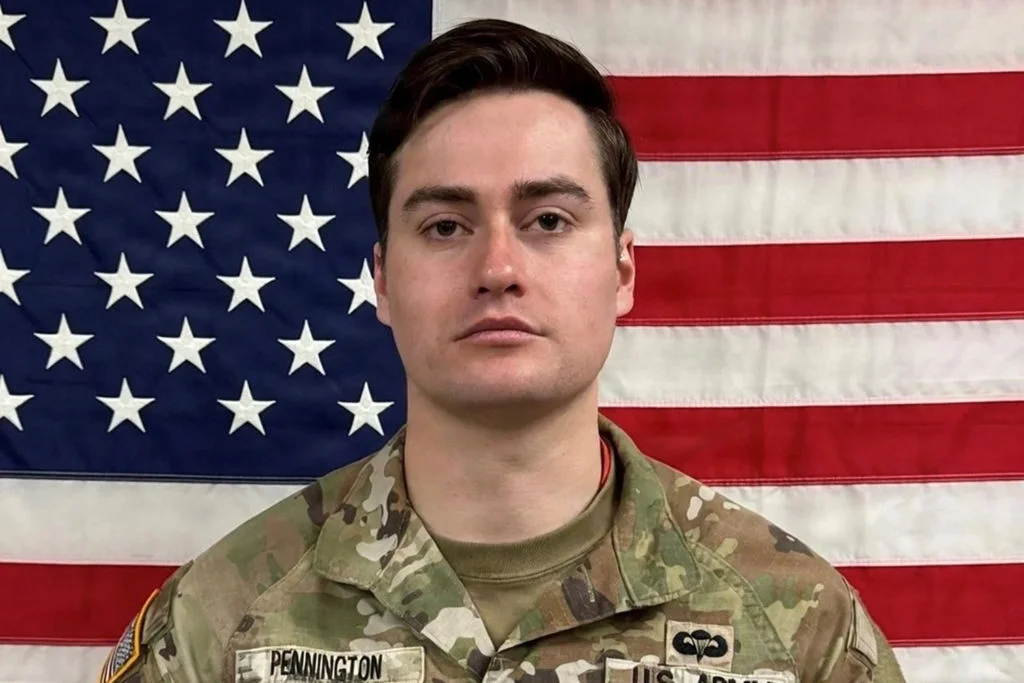
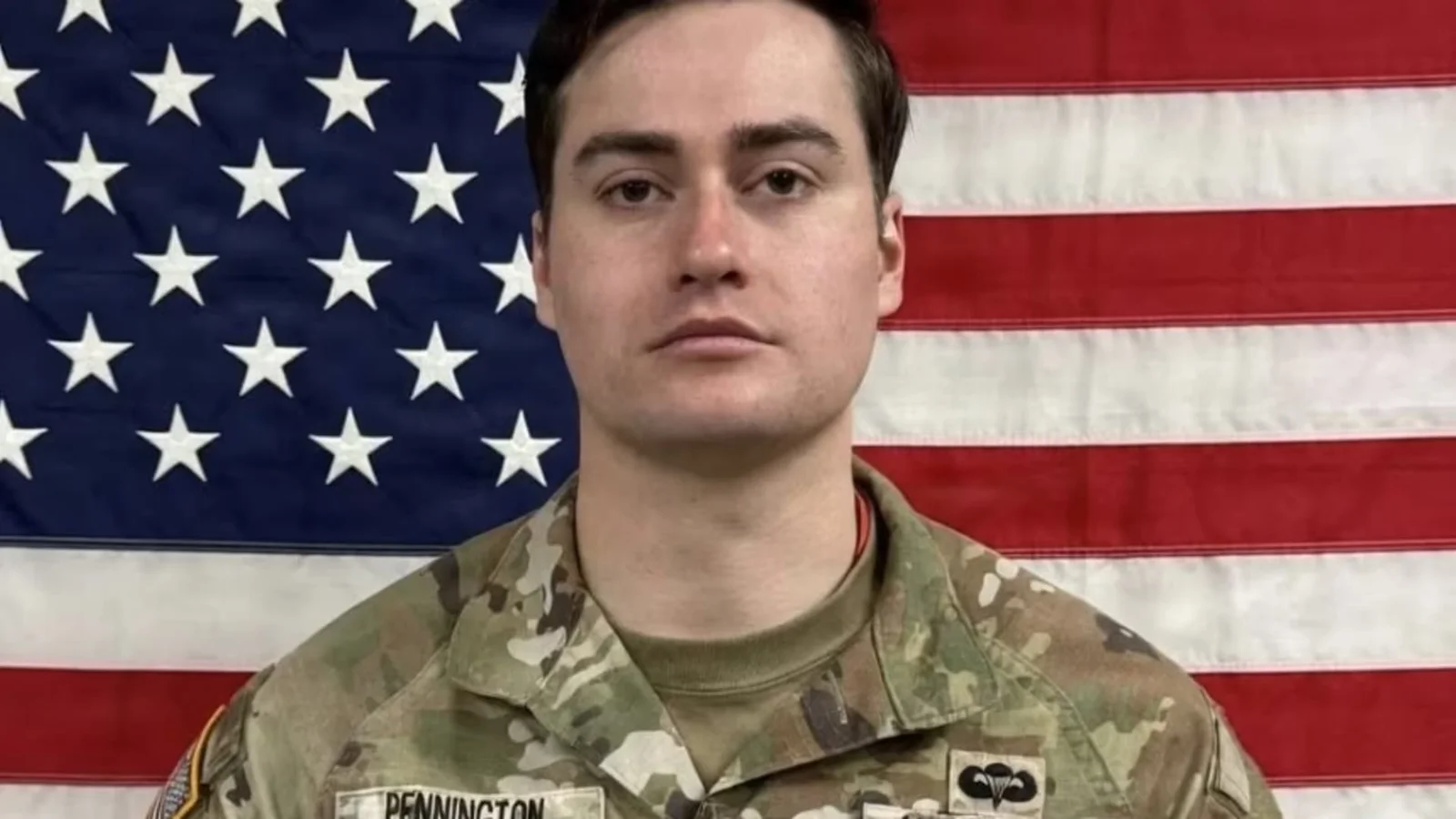
A Kentucky Army sergeant, Benjamin N. Pennington, 26, died of wounds from a March 1 attack on Prince Sultan Air Base in Saudi Arabia, becoming the seventh U.S. service member killed since the Iran war began. Pennington, of Glendale, Kentucky, served with the U.S. Army Space and Missile Defense Command and will be posthumously promoted to staff sergeant. The earlier six casualties occurred in Kuwait from an Iranian drone strike, with all parties continuing to mourn the losses.
The Department of Defense identified Army Sgt. Benjamin Pennington, 26, of Glendale, Kentucky, as the seventh U.S. service member killed in the Iran war. Pennington died from wounds suffered in an Iranian strike on Prince Sultan Air Base in Saudi Arabia while with the 1st Space Battalion, 1st Space Brigade at Fort Carson. The other named service members killed in the conflict are Sgt. Declan Coady, Capt. Cody Khork, Sgt. 1st Class Nicole Amor, Sgt. 1st Class Noah Tietjens, Maj. Jeffrey O’Brien and Chief Warrant Officer 3 Robert Marzan; Pennington’s remains were expected to be returned home, with Vice President Vance offering prayers for the fallen and their families.