
Microsoft To Do Retires in 2027, Stranding Personal Users Without a Native Replacement
Microsoft is discontinuing its To Do app on June 30, 2027, with no automatic migration to Planner and no native alternative for personal users.

All articles tagged with #productivity apps
Microsoft is discontinuing its To Do app on June 30, 2027, with no automatic migration to Planner and no native alternative for personal users.

Apple’s iPadOS 27 update introduces extra-large widgets to the Today View, enhancing the utility of both built-in and third-party tools. While basic widgets remain useful, new options offer deeper integration for smart home control, package tracking, and productivity. The update emphasizes interactive capabilities, allowing users to perform tasks directly from the home screen without opening apps. This shift aims to leverage the larger iPad screen for more dynamic and functional interfaces, moving beyond simple data displays to actionable controls.

The article highlights five essential productivity apps used by the author, including Enpass for password management, TickTick for task organization, Notion for writing and planning, Google Keep for quick notes, and ChatGPT as an AI assistant for research and idea generation, emphasizing how each app integrates into their daily workflow to enhance productivity.

Snap packages make it easy to install productivity apps on Linux, and the author recommends five Snap apps to boost productivity: Bitwarden for password management, Slack for communication/collaboration, ChatGPT-Desktop for AI research, Trello Desktop for project management, and poe-writer for distraction-free writing. The author provides installation commands for each app and encourages users to give them a try for increased productivity on the Linux desktop.
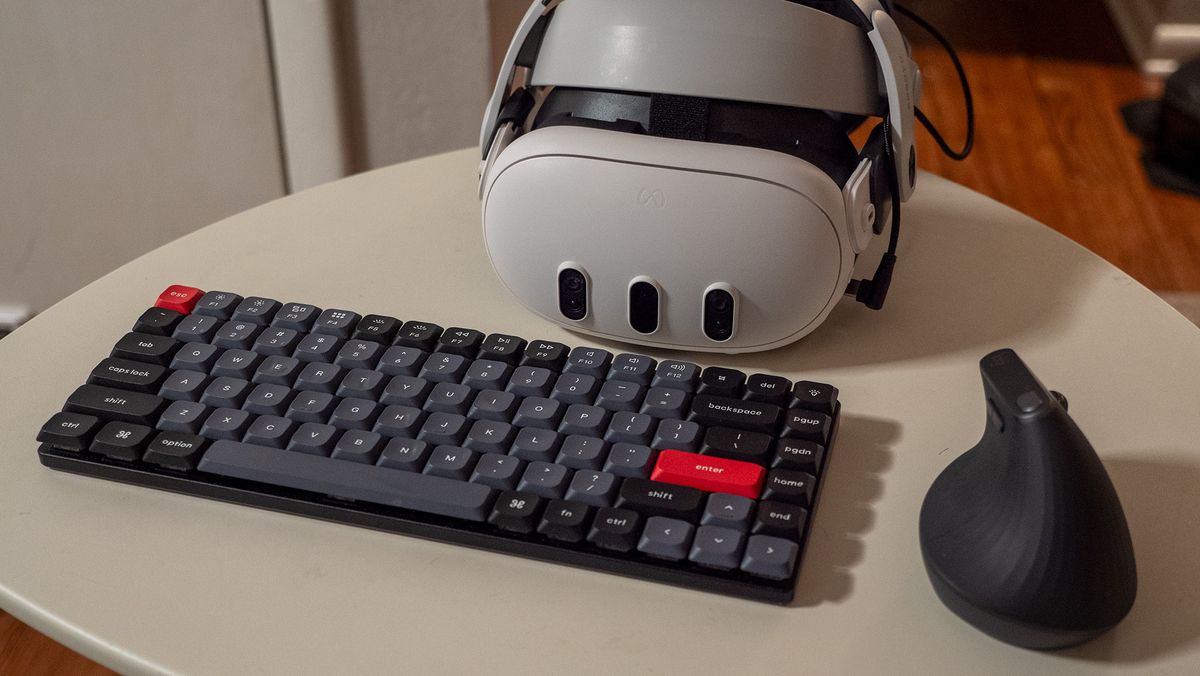
Microsoft Office apps, including Word, Excel, and PowerPoint, are now available for Meta Quest headsets, allowing users to work in a mixed-reality environment. The apps can be downloaded for free from the Meta Quest store and support all Meta Quest headsets. Users can also use a Bluetooth keyboard and mouse with the apps for easier navigation and productivity. This release is part of the partnership between Meta and Microsoft to bring Office, Azure, and Windows 11 to Meta Quest headsets.

Microsoft will begin selling its artificial intelligence supplement, Microsoft 365 Copilot, to large companies starting November 1. The AI tool, developed in collaboration with OpenAI, will enhance core productivity apps such as Word and Excel by utilizing OpenAI's GPT-4 language model. Microsoft 365 Copilot aims to assist corporate workers in tasks such as document preparation and information retrieval. Microsoft's Office applications contribute significantly to its revenue, and the company sees AI assistants as a transformative technology akin to the rise of PCs, the internet, and mobile devices. While Microsoft faces competition from Google's Duet AI, the financial impact of AI services is expected to be gradual, with significant effects projected in the second half of Microsoft's 2024 fiscal year.

Google plans to charge large businesses $30 per month for each user of its AI enhancements, called Duet AI, which are being added to Gmail and other productivity apps. This pricing is on par with Microsoft's 365 Copilot enhancements. The fees are in addition to the existing subscription costs for the productivity suites. Google is offering free trials for companies before committing to the subscription. Pricing for smaller organizations and individual users has not been finalized. Google has gained ground in the workspace market, with 10 million paying customers and over a million users trying the new AI capabilities. Duet AI allows users to generate text, create images, plan projects, and take notes in various Google apps. A consumer version of Duet AI is expected to be available early next year.
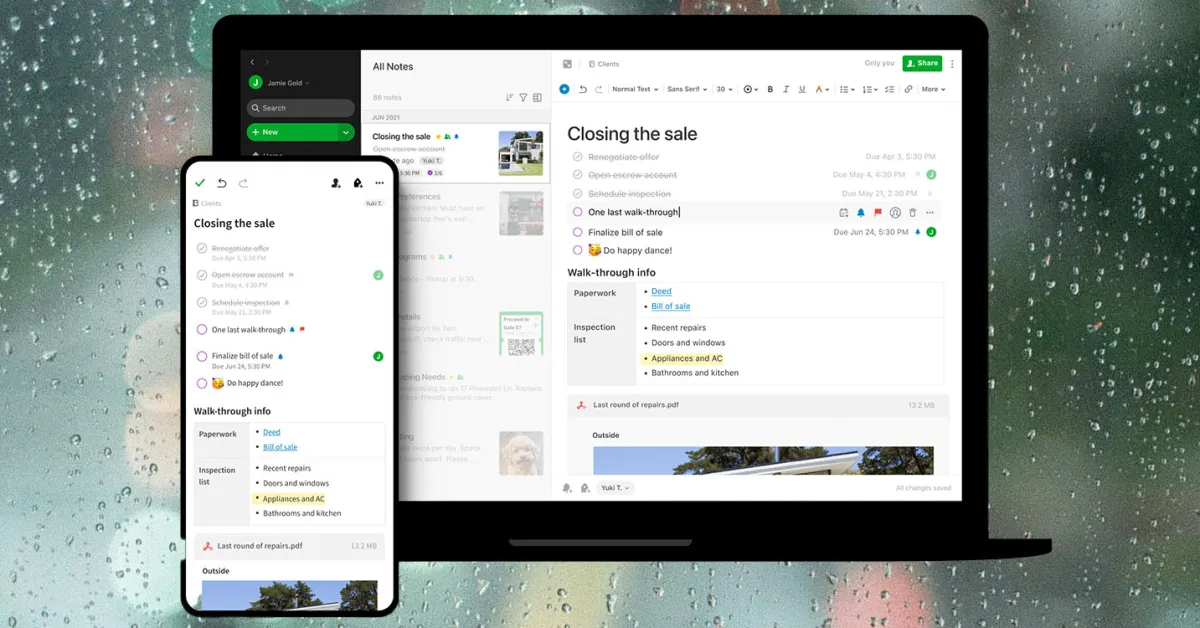
Evernote, the note-taking app, has laid off most of its staff and is relocating its operations to Europe after being sold to Italian developer Bending Spoons. The company has struggled in recent years, facing competition from Apple's own Notes app and receiving criticism for dropping popular features in its latest version. The layoffs are part of a broader trend of job losses in the tech industry, with companies like Clubhouse, Meta, Plex, and Sonos also making cuts.

Productivity apps like Dropbox, Droplr, Capito, Drafts, and Notion are transforming the way we work by simplifying file sharing and collaboration, streamlining email workflows, capturing and organizing thoughts, and providing an all-in-one workspace. These apps save time and boost efficiency, making them must-haves for anyone looking to enhance their workday experience.

Zoom is partnering with Anthropic to integrate its AI assistant, Claude, across its productivity platform, starting with the Contact Center product. The chatbot will help customer support agents by creating better self-service features and surfacing necessary resources for agents while they're serving customers. Zoom will likely leverage the assistant to compete with other productivity apps that use AI, like Slack. Additionally, Zoom Ventures has made an investment in Anthropic to further its commitment to providing customers with a federated approach to AI.
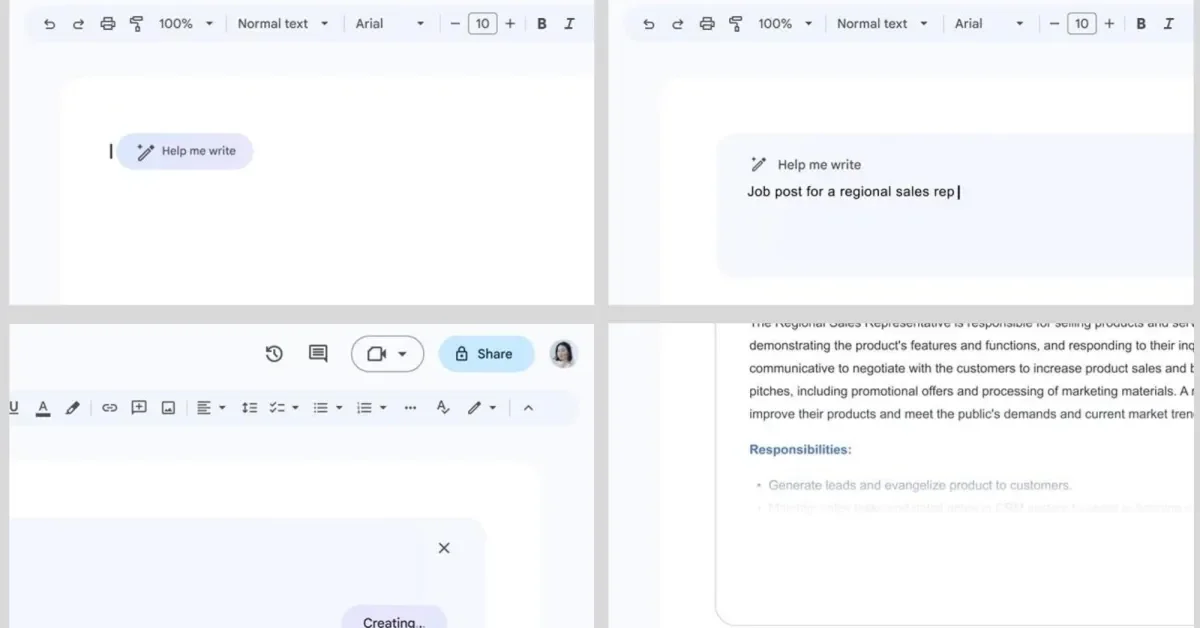
Google Workspace is using a pencil icon with a star in the top-left to brand its generative AI features, with a blueish-purple hue color used throughout. Microsoft is taking the opposite path by adding "Copilot" to Word, Powerpoint, Excel, Outlook, and Teams. Google is going for a timeless approach by framing the addition of gen AI tools as a continuation of how it iterates products to be helpful. It remains to be seen which strategy wins out for generative AI in productivity apps.