Tag

Mixed Reality

All articles tagged with #mixed reality

Xreal Aura Launches at Discounted $1,099 Price, Preempting Meta's Spring Release
tech25 days ago

Xreal Aura Launches at Discounted $1,099 Price, Preempting Meta's Spring Release

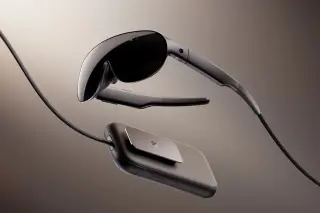
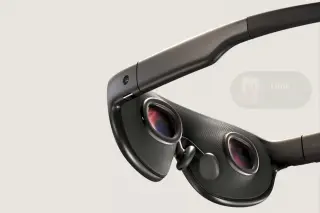
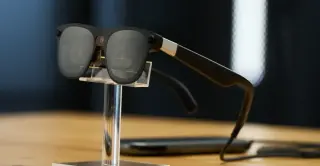
Xreal and Google have officially launched the Aura, the first wired smart glasses running the Android XR platform. The device is now available for purchase at a discounted launch price of $1,099, down from the initial $1,279 pre-order cost. Weighing under 95 grams, the glasses feature transparent lenses and a 70-degree field of view, connecting to a separate compute puck via a cable. Orders are open in the US, Canada, and South Korea, with shipments expected in mid-November. The price cut is widely attributed to competitive pressure from Meta’s upcoming VR Glasses, which are not expected to ship until spring 2027.
Xreal Aura Sets $1,279 Price Tag, Enters Direct Clash with Meta’s VR Glasses
tech1 month ago

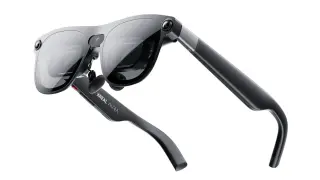
Xreal Aura Sets $1,279 Price Tag, Enters Direct Clash with Meta’s VR Glasses

Xreal has officially launched its Aura mixed-reality smart glasses, setting a starting price of $1,279 for pre-order. The device, which weighs under 95 grams, features transparent lenses, a 70-degree field of view, and runs on the Android XR platform via a tethered compute puck. It is positioned as a direct competitor to Meta’s recently announced VR Glasses, which cost $1,299 but are not expected to ship until spring 2027. While Xreal’s glasses offer superior real-world visibility through transparent lenses, Meta’s device provides higher immersion with video passthrough and eye tracking. Initial shipments are limited to the US, Canada, Japan, and South Korea, with broader global availability planned for 2027.

Xreal Aura Launches at $1,279, Challenging Meta’s VR Glasses in Mixed Reality
technology1 month ago

Xreal Aura Launches at $1,279, Challenging Meta’s VR Glasses in Mixed Reality

Xreal has opened pre-orders for its Aura mixed-reality glasses at $1,279, positioning them as a direct competitor to Meta’s upcoming VR Glasses. The Aura features transparent lenses, a 70-degree field of view, and Android XR support, shipping first in the US, Canada, Japan, and South Korea. While Meta’s device offers superior immersion and eye tracking, Xreal’s transparent design provides better real-world visibility, marking a significant shift in lightweight spatial computing.

Meta’s VR Glasses Blend Immersion and Reality in a 100g Form Factor
tech1 month ago

Meta’s VR Glasses Blend Immersion and Reality in a 100g Form Factor

Meta’s new VR Glasses, priced at $1,299, offer a hybrid experience that combines the immersion of VR with the peripheral vision of AR. Weighing just 100 grams, the device features a 5K micro-OLED display and uses hand and eye tracking instead of controllers. While it lacks the full field of view of traditional headsets, it allows users to see their real surroundings, potentially making VR more accessible for mainstream consumers.

Meta Unveils 100g VR Glasses: A Tethered, $1,300 Leap for Spring 2027
technology2 months ago

Meta Unveils 100g VR Glasses: A Tethered, $1,300 Leap for Spring 2027

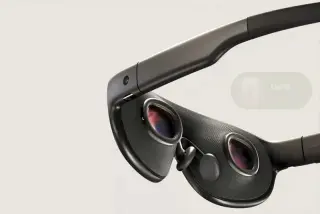
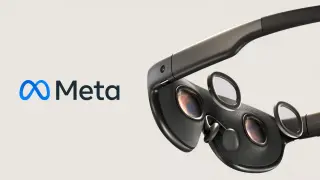
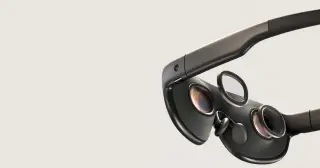
Meta has officially revealed its next-generation mixed reality device, the VR Glasses, a lightweight 100g headset priced at $1,300 for a Spring 2027 launch. Formerly known as Project Phoenix, the device features a 5K micro-OLED display and connects via an optical cable to a 300g external compute puck powered by Qualcomm’s Snapdragon Reality Elite chip. The system supports hand and eye tracking, wireless multi-screen desktop streaming, and full compatibility with the Quest 3 software library. While the hardware is the primary focus, Meta also highlighted its Muse AI assistant, which has become the top app in the US, and new camera-less audio smart glasses.

Meta Unveils $1,300 VR Glasses: A Lightweight, Tethered Alternative to Headsets
technology2 months ago

Meta Unveils $1,300 VR Glasses: A Lightweight, Tethered Alternative to Headsets

Meta has officially announced the VR Glasses, a lightweight virtual reality device priced at $1,300, set to ship in Spring 2027. The device features a 100-gram visor with dual 2.4K micro-OLED displays and an open-periphery design, connected via fiber optic cable to a 300-gram external compute puck. Powered by Qualcomm’s new Snapdragon Reality Elite chipset, the system offers 12GB of RAM, 128GB of storage, and full compatibility with the Quest 3 operating system. While controllers are not included by default, users can purchase Touch Plus controllers or pair existing Quest controllers. The device supports hand and eye tracking, Dolby Vision HDR, and a new 'Hologram' avatar feature for video calls. Meta markets the glasses as a portable cinema, workspace, and game console, emphasizing a less cumbersome experience than traditional headsets.

Meta Quest 3 Performance Benchmarked Against Legacy Nvidia GPUs
technology2 months ago

Meta Quest 3 Performance Benchmarked Against Legacy Nvidia GPUs

The Meta Quest 3 utilizes the Snapdragon XR2 Gen 2 processor, which offers roughly double the graphical performance of its predecessor. While direct comparisons to Nvidia desktop GPUs are complex due to architectural differences, industry estimates place its power between the GTX 750 Ti and GTX 1060. The 512GB model maintains these core specs while offering expanded storage for large game libraries.

Meta's 'Project Phoenix' Headset Design Leaks via Firmware Update
technology2 months ago

Meta's 'Project Phoenix' Headset Design Leaks via Firmware Update

Meta inadvertently revealed the design of its upcoming 'Project Phoenix' mixed-reality headset through a firmware update. The device features a slim, glasses-style form factor with a tethered compute puck, positioning it between smart glasses and full VR headsets. The leak occurred just before Meta Connect, where the company may officially unveil the hardware.

Firmware leak reveals Meta's slim 'Project Phoenix' headset design
technology2 months ago

Firmware leak reveals Meta's slim 'Project Phoenix' headset design

Meta’s upcoming 'Project Phoenix' headset has been visually revealed through a firmware update, showing a slim, glasses-like design with a tethered compute puck. The device features prescription lens support and sensors on the temples, positioning it as a premium mixed-reality option distinct from standard VR headsets or smart glasses. The leak occurred ahead of Meta Connect, where further details are expected.

Meta's 'Project Phoenix' Headset Design Leaks in Horizon OS Firmware
technology2 months ago

Meta's 'Project Phoenix' Headset Design Leaks in Horizon OS Firmware

Leaked firmware files have revealed the first clear visuals of Meta's upcoming 'Project Phoenix' mixed-reality headset. The device features a slim, glasses-like form factor with a tethered compute puck, distinct from traditional bulky VR headsets. The leak, found in an updated Horizon OS prescription lens package, shows sensors on the temples and a QR code setup process. Meta is expected to unveil the device at its Connect event in late September 2026.

Apple Vision Pro successor delayed at least two years as Apple pivots to lighter AR glasses
technology6 months ago

Apple Vision Pro successor delayed at least two years as Apple pivots to lighter AR glasses

Bloomberg's Mark Gurman says Apple isn't abandoning Vision Pro but won’t launch a new Vision Pro–style device for at least two years, as Apple continues to develop cheaper, lighter enclosed headsets and shifts hardware talent to smart glasses and related AI wearables; the previously rumored Vision Air was canceled and teams reassigned, with ongoing attention to Vision Pro’s retail launch issues from recent coverage.

Vision Pro Enables World-First Cataract Surgery with Remote Collaboration
technology6 months ago

Vision Pro Enables World-First Cataract Surgery with Remote Collaboration

Apple's Vision Pro was used by New York ophthalmologist Dr. Eric Rosenberg to perform the world’s first cataract surgery via the ScopeXR platform, which streams live 3D digital microscope feeds into the headset and overlays preoperative data, while enabling real-time remote collaboration with other surgeons—underscoring Apple’s push into enterprise medical uses amid consumer-adoption challenges and a shift toward lighter smart-glass tech.