Following the death of ex-Cambridge professor Jason Arday, supporters are calling for a UK public inquiry into alleged media harassment linked to a plagiarism controversy that preceded his resignation, with thousands signing a petition and a vigil planned.
Public figures and about 30,000 signatories have urged a public inquiry into the media treatment of Jason Arday, the ex-Cambridge professor who died amid plagiarism allegations. The Good Law Project‑led letter says coverage was relentless and amounted to a 'witch hunt', while Cambridge says it supported Arday and has launched an independent review. The case has spurred vigils, fundraising for his family, and renewed debate about press responsibility and racism in academia.
Kenneth Law ran a cross-border online operation that sold a lethal substance and other items to vulnerable people, shipping more than 1,200 packages to customers in over 40 countries and linked to at least 131 deaths. A Canadian guilty plea ties him to UK cases, fueling bereaved families’ demands for a full public inquiry into online pro-suicide forums and lax marketplaces, even as regulators sanction the forum and cross-border accountability remains incomplete.
Australia's federal royal commission into antisemitism began public hearings after the Bondi Beach mass shooting, with former High Court Justice Virginia Bell overseeing a probe into antisemitism drivers, its prevalence, and recommended government actions. An interim report is due by the end of April and a full report by the first anniversary of the attack, while some proceedings may be held behind closed doors due to ongoing criminal cases.
Families affected by the Manchester Arena bombing are demanding that MI5 be fully included in the new 'Hillsborough Law' to ensure transparency and accountability from intelligence agencies, following criticisms of MI5's false narratives and lack of candour during investigations. The law aims to enforce a duty of candour on public officials, including intelligence services, to prevent cover-ups and promote truthfulness in public inquiries.
A public inquiry in Ottawa is investigating allegations that China clandestinely interfered in Canada's 2019 and 2021 federal elections to support candidates favorable to Beijing's interests, particularly targeting the Conservative Party. The inquiry also revealed allegations of interference by India and Pakistan, while Russia was found to possess robust foreign interference capacity but lacked intent to interfere. The Canadian government's panel of senior civil servants did not publicly alert about the alleged meddling, citing uncorroborated or limited reliability of the intelligence and the potential to create confusion.
A group of MPs and peers have accused the Health Secretary of withholding data that could link the Covid vaccine to excess deaths, urging for the release of potentially critical data that maps the date of people’s Covid vaccine doses to the date of their deaths. They argue that the data should be released on an anonymised basis to reassure the public and address concerns and hesitancy about public health messaging. The Office for National Statistics has been accused of overestimating excess deaths in the first year of the Covid pandemic, prompting a call for a public inquiry into excess deaths and alleged Covid vaccine harms.
Matt Lincoln, a victim of the contaminated blood scandal in the 1970s and 1980s, contracted hepatitis C through a blood transfusion while being treated for leukaemia. After being recently cured of the virus, he has started helping others affected by the scandal. The public inquiry into the scandal, described as the worst treatment disaster in NHS history, has recommended full compensation for victims and relatives, with the final report due to be published on 20th May 2024.
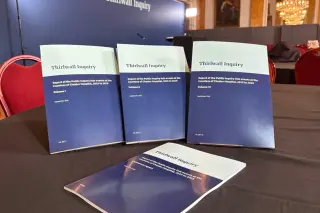
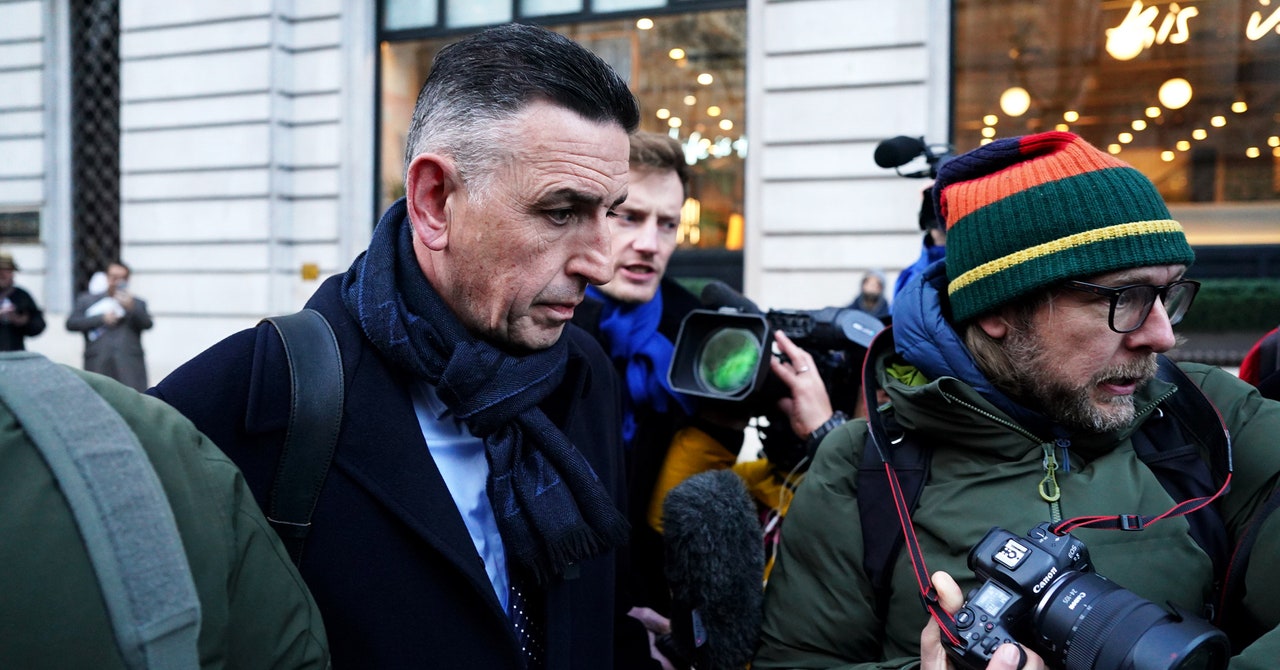
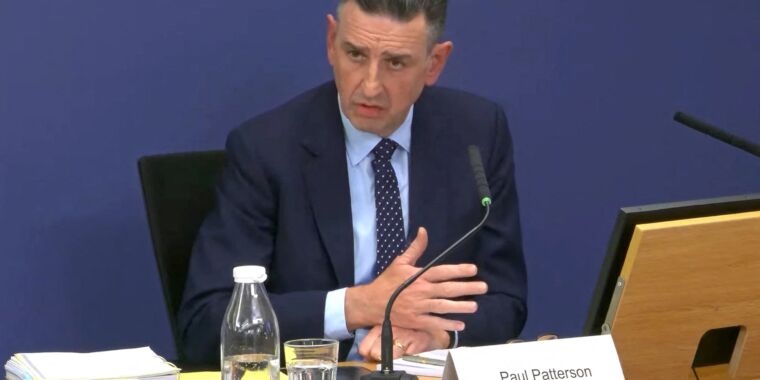
Fujitsu executive admitted that software bugs causing financial discrepancies in the UK Post Office's Horizon system were known since its deployment in 1999, leading to wrongful prosecutions and convictions of over 900 postal employees. The Post Office allegedly edited witness statements and obtained most of the 900 convictions, prompting calls for criminal prosecutions and compensation. The UK government plans to introduce a new law to swiftly exonerate and compensate those falsely convicted.
Fujitsu executive admits that software bugs, known since 1999, were hidden from lawyers of wrongly convicted UK postal workers, leading to over 900 wrongful prosecutions and convictions. Post Office lawyers edited Fujitsu witness statements and obtained 700 of the 900 convictions, while the scandal may prompt reforms in the private prosecution system. Fujitsu apologizes and acknowledges a moral obligation to contribute to compensation for victims, as the UK government plans new laws to swiftly exonerate and compensate those falsely convicted.
Documents from a public inquiry show that former UK Prime Minister Tony Blair was warned about potential flaws in the Horizon IT system, which later led to wrongful accusations of theft against Post Office workers. Despite concerns about the system's reliability and ballooning costs, Blair and his trade and industry secretary, Peter Mandelson, decided to proceed with the project, citing political and economic reasons. The flawed software ultimately resulted in more than 900 workers being prosecuted. Blair has expressed deep sympathy for those affected by the serious flaws in the Horizon system.
Japan's Fujitsu is facing scrutiny over its involvement in a scandal where hundreds of British Post Office workers were wrongly convicted due to glitches in its software. The company is set to appear at a public inquiry and before a British parliamentary committee for questioning. Amid mounting public anger, Britain is moving to quash convictions and provide compensation to affected self-employed sub-postmasters. Fujitsu's CEO has not publicly commented on the scandal, but the company has apologized for its role and expressed full commitment to supporting the inquiry.
A hit TV series has reignited public outrage over the Post Office scandal, where faulty software led to false convictions of theft and fraud for hundreds of sub-postmasters. The High Court ruled in 2019 that the Horizon software was at fault, leading to a public inquiry. Prime Minister Rishi Sunak announced new legislation to swiftly exonerate and compensate the victims, while former Post Office CEO Paula Vennells returned her CBE award. The ongoing public inquiry may place blame on the Japanese IT firm Fujitsu, and dozens of victims have shared their stories, calling for mass exonerations and compensation.
The UK government has announced emergency laws to swiftly clear the names of hundreds of individuals wrongly convicted in the Post Office scandal, with plans to compensate them. The scandal, involving faulty IT systems, led to over 900 convictions, with only 93 overturned to date. The move follows public outcry and a recent ITV drama highlighting the issue. While the government aims to complete the process by 2024, concerns have been raised about the potential impact on the independence of the courts. Additionally, the government plans to review convictions in Scotland and Northern Ireland and hold Fujitsu accountable if found culpable in the public inquiry.
Victims of the Post Office scandal are calling for Fujitsu to pay compensation for its role in developing the faulty Horizon software that led to wrongful convictions of sub-postmasters. Despite apologies from Fujitsu, no compensation has been paid, and the firm continues to win government contracts. The public inquiry is awaiting testimony from Fujitsu's former chief IT architect, and there are growing calls for the firm to contribute to compensation. The government has indicated that the inquiry's findings could impact future contracts with Fujitsu.